Gift parade

[Note: this is the 1,000th post on Beetles in the Bush!]

Here is one of the gifts that I received for Christmas last month, a vintage copy of Gulliver in the Bush — Adventures of an Australian Entomologist, published in 1933 by H. J. Carter.

You may have already noticed the striking similarity of the title of this book to the name of this blog (Beetles in the Bush — Experiences and Reflections of a Missouri Entomologist) and its themes (tales of entomological exploits in our native lands). You would also be forgiven if you assumed that I named my blog after this book. In reality, the similarity of names is purely coincidental—I’d never heard of this book when I started writing this blog back in 2008, and in fact it was just this past year (while writing a review of the newly published Jewel Beetles of Australia—look for my review of this very nice book to be published in the next issue of The Coleopterists Bulletin) that I even became aware of the book’s existence. Once I did, however, I had to have it, and I love my wife for finding a copy of it and giving it to me for Christmas.

I’m looking forward to reading through the books nearly century-old pages and reading of Carter’s exploits in what surely must have been a much wilder and unspoiled world than the one I have been able to explore. Nevertheless, I am sure I will also find many similarities in our experiences—-observing the fascinating bounty nature up close and personal, discovering new species (whether just to me or to science as a whole), and reveling in the “thrill of the hunt.” Beyond enjoying the book itself, however, the eerie similarity of book/blog titles and themes only further convinces me of something that have been considering for a while—that I should condense and the writings on my blog and assemble them into a book of my own, one titled after this blog and detailing the experiences of an entomologist one century after and half a world removed from Carter. Perhaps, if I do this, some future entomologist will receive an old copy of my book as a gift in the 22nd century!

©️ Ted C. MacRae 2025
Hate mail

As a writer of an entomology blog, I don’t normally get hate mail—at most a critical comment about the way my specimens are curated or labeled, or perhaps an opposing thought regarding application of the subspecies concept. But recently, I got a doozy! I was going to respond privately but didn’t want to reveal to them my private e-mail address. Then I was going to respond in a public post (and there is much to respond to), but I decided their position is so hardened that any response is pointless. Ultimately, I decided just to share the hate (sender’s name redacted to protect their privacy) as an example of how not to engage me in a discussion. We can (and should) debate the ethics of insect research, but equating entomologists who do collections-based research to depraved mass murderers doesn’t do much to promote rational and constructive dialogue.

Intentionally killing beetles is killing a sentient, conscious, and extremely refined competent life. That others before you have done it is no excuse nor a valid precedent for mimicking them. Todays imaging techniques can photograph molecules. There are techniques of photographing with layered depth of field images combined into one image that has clarity of all insect parts at their scale. Moreover there are 3D microscopes at that scale as well including capture of motion. Killing insects to collect is a macabre, harmful, antiquated and unnecessary. Today it is a pathological fetish to kill and display bodies of once sentient and conscious beings. When the world was large with only wooden boats scientists did that to record far away places. This is no longer necessary. Your collection is an example of how proficient your are at killing sentient beings within the synergistic wholes we call natural habitats. Nothing more. This is not research, kind nor has any inkling of respect for the insect. An excuse to kill based on populations is complete pathological rubbish and part of you knows this is true.

©️ Ted C. MacRae 2023

WGNSS 2022 Lifetime Achievement Award

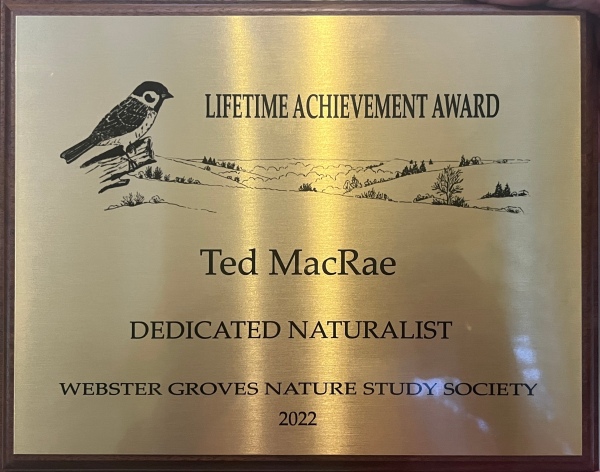
Earlier this month on May 10th, the Webster Groves Nature Study Society (a.k.a., “WGNSS”) held its annual Spring Banquet at the Palm House in Tower Grove Park, St. Louis, Missouri—-the first Spring Banquet since 2019 (the last three years having been cancelled due to the COVID-19 pandemic). It was a lovely event in a beautiful venue with fantastic food, and I think all in attendance were happy to resume this annual society tradition. Part of this tradition includes announcing the year’s recipient of the WGNSS Lifetime Achievement Award—given to individuals that have made significant and sustained contributions to the Society. With three “lost” years to make up for, the WGNSS Board selected three individuals as recipients for those years. The 2020 recipient was the night’s featured keynote speaker and Past-President, George Yatskievych, formerly Curator of Botany at the Missouri Botanical Garden and now at the University of Texas in Austin. The 2021 recipient was my longtime friend and collecting partner, Richard Thoma, also Past-President, former leader of the Entomology Natural History Group, and current Society Historian. The 2022 recipient was, well… me! It was a complete surprise (at least until Rich began his introduction and it became clear who he was talking about), so I gave only a few short remarks in appreciation of the award. I am deeply grateful to the Society for the honor, and I can only thank their membership and the deep natural history talent that so many of them possess for helping me become the naturalist that I am.

©️ Ted C. MacRae 2023

“Let’s talk about pronunciation of scientific names”

At this past spring’s Missouri Native Plant Society Spring Field Trip, I was asked if I would be interested in writing an article for an upcoming issue of the Society’s newsletter, Petal Pusher. The planned theme for the issue was Latin and scientific nomenclature, though I was free to choose the precise subject. Being much more of an entomologist than I am a botanist, I was honored, and being a bit of a pedant, I knew exactly what I wanted to write about—the title of this post serving as an obvious clue.

Now, I don’t claim to have any special expertise in pronunciation of latinized nomenclature—in fact, I’ve never taken a single course in Latin. Nevertheless, I’ve probably studied and mulled over the subject a bit more than most, and age likely has also given me a bit of perspective on balancing adherence to “rules” (to the extent that they exist) and ease of use.

In that spirit, I offer the following article, which was just published in the newly-released July–August issue. It’s a light-hearted and (hopefully) fun read intended to provide readers with tips for making pronunciation of scientific names a little bit easier and a lot less intimidating. I’ll let you be the judge on whether I accomplished that goal.

p.s. The subtitle of the article is a nod to James Trager, who contributed another article in the issue dealing with the origin and use of Latin in botanical nomenclature… while explicitly side-stepping the question of pronunciation!

©️ Ted C. MacRae 2022

‘Beetles in the Bush’ has it’s own domain!

I have a new post almost ready (about tiny little botanists!), but I wanted to let everybody know that this site—’Beetles in the Bush’—now has it’s own domain:

http://beetlesinthebush.com

No need to add “.wordpress” anymore. Update your links (but old links should still work).

© Ted C. MacRae 2019

Insect Identifications and Etiquette

I’ve been a student of insects for most of my life, and of the many aspects of entomology that interest me, field collecting and identification remain the most enjoyable. My interest in beetles first began to gel during my days at the university (despite a thesis project focused on leafhoppers), and early in my career I settled on wood-boring beetles (principally Buprestidae and Cerambycidae) as the taxa that most interested me. To say that species identification of these beetles can be difficult is an understatement, but I was fortunate to have been helped by a number of individuals—well-established coleopterists—who freely shared their time and expertise with me during my early years and pointed me in the right direction as I began to learn the craft. Some of the more influential include colleagues that have since passed (e.g., Gayle Nelson, John Chemsak, Chuck Bellamy, and Frank Hovore) and those that, thankfully, continue with us (e.g., Rick Westcott and Henry Hespenheide).

It has been a little more than 30 years now since I began studying these beetles, and due in great part to the help I received early on and the motivation that it inspired within me, I have gained a certain amount of proficiency in their identification as well. Not surprisingly, I too regularly receive requests from people looking for help with identifications. I rarely turn down such requests (in fact, I don’t think I have ever turned one down)—it not only helps my own research but also, occasionally, allows me to fill a gap or two in my collection. More importantly, however, it is my duty—I benefited greatly from those who shared their expertise with me, so it’s only fair that I continue by their example.

As common a practice as this is among collectors, it seems odd that there are few written guidelines on the etiquette of requesting and providing identifications. Note that this is something different than borrowing specimens for study, which has its own set of expectations and responsibilities. As someone who has both requested and received requests for specimen identifications for a long time now, I have my own thoughts about reasonable expectations in this regard. Perhaps you, too, will find these thoughts useful the next time you contemplate asking somebody to identify your specimens (or accepting a request to do so).

Guidelines for requesting identifications

  1. Always ask permission to send specimens before doing so. ‘Nuff said.
  2. When you do send specimens, read  and follow the guidelines suggested to avoid creating additional work for the identifier who must repair specimens damaged in shipment.
  3. Leave extra room in the specimen box. While tightly packed specimens minimize shipment size and can reduce cost, it also increases risk of damage during shipment due to ‘bumping’ or during removal from the box for ID. More importantly, it allows little or no room for the addition of identification labels to specimens. Additionally, many identifiers find it helpful to remove all of the specimens from a box and group them by related taxa to facilitate identification. The reassembled specimens may require more space than they did in their original arrangement.
  4. Send the entire available series of specimens. A common practice among those sending specimens for ID is to hold back specimens from a series and send only one or a few examples. Whether this is to, again, minimize the size of the shipment, confirm a provisional ID, or safeguard specimens perceived as desirable, it nevertheless prevents the identifier from having access to the range of data and variability represented in the series. This is important if the series contains 1) multiple species, 2) previously undocumented distributions or ecological data, or 3) unusual morphological variants. An exception to this is when very long series of specimens are available and sending the entire series would be unwieldy and/or unnecessary. In this case, the identifier should be informed that only a partial series of specimens was sent.
  5. Allow retentions. It doesn’t happen often, but sometimes individuals have balked at my requests to retain specimens that proved useful for my studies. This is poor etiquette, as it shows little respect for the value of the service being provided by the person making the identifications. More common is to allow retention of examples from a series, but not singletons. This also, in my opinion, is poor etiquette. I remember one of my early sendings to Gayle Nelson that contained a single specimen of Agrilus audax, a very rare North American buprestid known by only a handful of specimens. Not surprisingly, Gayle did not have this species in his collection, and while I, too, was a student of the group I didn’t hesitate to give this specimen Gayle—established and well-respected expert of the family that he was. To this day the species remains unrepresented in my collection, yet I have never second guessed that decision due to the value of what I gained in his respect and mentorship in the years since. Most identifiers are both humble and sparing in their requests for retentions.¹
  6. Allow time for identifications. Individuals with expertise in a given group are generally few in number, and those willing to provide identifications may be fewer still. As a result, they usually have a number of boxes on hand at any one time awaiting identification. Get an idea from them at the start of how long they expect it will be before they can complete the task. If the projected timeline passes and you don’t hear back from them, an inquiry is fine, but be polite and understanding.

¹ A corollary to this asking for specimens in exchange for specimens retained. An exchange involves two parties sending each other specimens that mutually benefit each other’s collections. Identifications are a service provided by one party that benefit the requester. To suggest an exchange as ‘payment’ for retained specimens ignores the value of the service being provided by the identifier

Guidelines for providing identifications

  1. Once specimens are received, protect them from damage as you would your own collection. Maintain them in a protective cabinet or check them regularly to ensure that dermestid pests do not gain a toehold.
  2. Provide the identifications in as timely a manner as possible. This is not always easy, especially for those willing to accept a large number of requests and who may find themselves inundated with boxes awaiting identification. If you cannot provide identifications relatively quickly, be honest with the requestor regarding how long you expect the identifications to take. If it does take longer, provide an update to the requestor and give them the option to have the specimens returned or confirm that they are okay with the delay.
  3. Add your identification label with your name and date (year) to at least the first specimen in the series. Even better is if you can add a small, pre-printed ID label to every specimen in the series, but this can be difficult if the number of specimens and/or diversity of species is large. If there are specimens with prior identifications that you disagree with, turn the prior ID label upside-down, replace through an existing pin hole, and add your ID label. I disagree with the practice of folding prior ID labels—not only could I be wrong, but this unnecessarily damages something with historical value, especially if new pin holes are added to the label. Always place your ID label below any existing labels (i.e., label order should reflect their sequence of placement—oldest labels nearest the specimen and newest labels furthest away).
  4. Keep retentions to a minimum. I generally ask to retain specimens only when they significantly improve the representation in my collection or provide significant new data—i.e., un- or under-represented species, undocumented distributions or ecological data, etc. The bar for singletons is even higher—usually only if they are completely absent from my collection (with ~65% of U.S. Buprestidae now represented in my collection, this is an increasingly uncommon occurrence).
  5. Following #4, provide an accounting of retained specimens. Minimally, a list of species and their number should be given, and my preference is to provide label data as well (especially if requested). I once sent a batch of beetles (in a family in which I do not specialize) to an expert for identification, and when I received them back it was obvious that a number of specimens had been retained (perhaps 1/3 of the total number). When I wrote to the identifier and asked for an accounting (remember, I was only asking for an accounting—I did not have a problem with the retentions themselves), I received a rather terse reply from the individual stating that he did not ‘have time’ to provide this. Needless to say, this level of dismissiveness was not appreciated, and I have since found another more agreeable researcher with expertise in that family to send specimens for identification.
  6. When you are ready to return the specimens, read  and follow it’s suggested guidelines to avoid causing damage to the specimens whose care you were entrusted.

Again, these guidelines are written from the perspective of a private individual sending and receiving specimens for identification. Scientists at institutions may have additional or differing guidelines on this subject, but in any case these guidelines should be communicated to and understood by individuals requesting identifications before any material is sent.

If you have additional suggestions or comments on how these guidelines can be improved I would appreciate hearing them.

© Ted C. MacRae 2015

One million hits!

Million-hitsI knew it was coming, and yesterday it happened. I was really hoping to see hit number 1,000,000 appear on the small ‘Blog Stats’ item at the bottom of the right sidebar, but I just missed it due to a small traffic spike right around the time that it occurred. As near as I can tell, the one millionth hit came at 1:27 p.m. (Central Standard Time) from somebody in Tempe, Arizona. Whoever you were, whether a regular reader or just passing by, congratulations. However, the real thanks must be shared with all of you who helped log the previous 999,999 hits, for without you there would be no Beetles in the Bush. Here’s to two million!
p.s. To those who would poo poo this accomplishment, who think that internet traffic site stats are meaningless, that there is nothing out there but an army of bots and search engines generating irrelevant stats, please go rain on somebody else’s day.

© Ted C. MacRae 2015

Virtual Mantle 2014

As our lives become more digitized, the relatively new tradition of sending holiday “e-greetings” continues to grow. I for one embrace this tradition, as it doesn’t really replace the old tradition of sending actual cards but rather expands the scope of people with whom I can exchange greetings. I still send “real” cards to family and close, personal friends, but I can now also send greetings to the many entomologist/natural historian friends and colleagues with whom I’ve interacted over the past year. For several years now I’ve used the “photoshopped Santa hat theme” (see 2011’s Santa Jaws, 2012’s Buprestis saintnicholasii, and last year’s Felizard Navidad), but this year I decided to send a more “super-powered” greeting!

My entomologist friends and colleagues are also increasingly joining in the act, and just as many people hang holiday cards on their fireplace mantle, I like to hang holiday e-cards on the virtual mantle here at BitB—see my virtual mantles from 2012 and 2013. This year I received greetings from entomologists both here in the USA and the far flung continents of Europe, Asia, and Australia! If you didn’t send me an e-card this year, I hope you’ll consider sending me one in 2015.

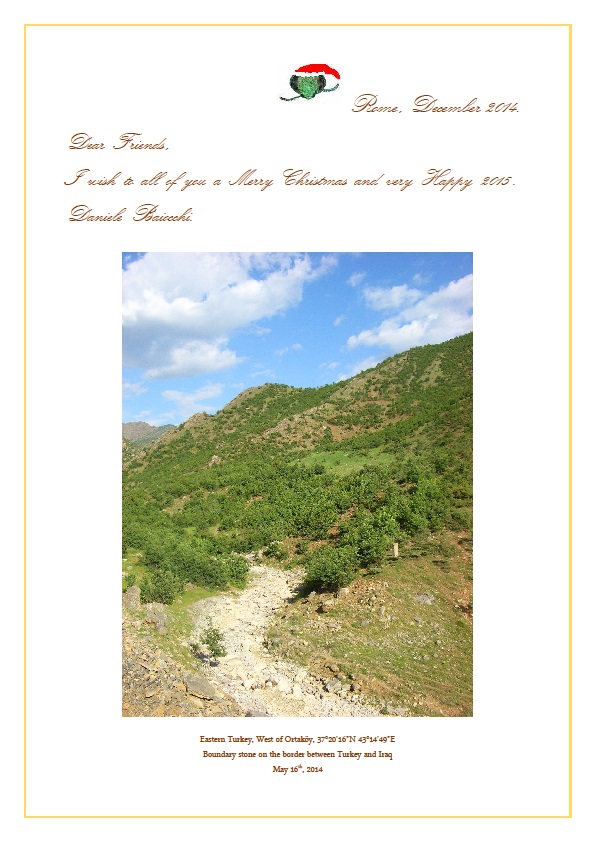
Daniele Baiocchi—Rome, Italy

Daniele Baiocchi—Rome, Italy

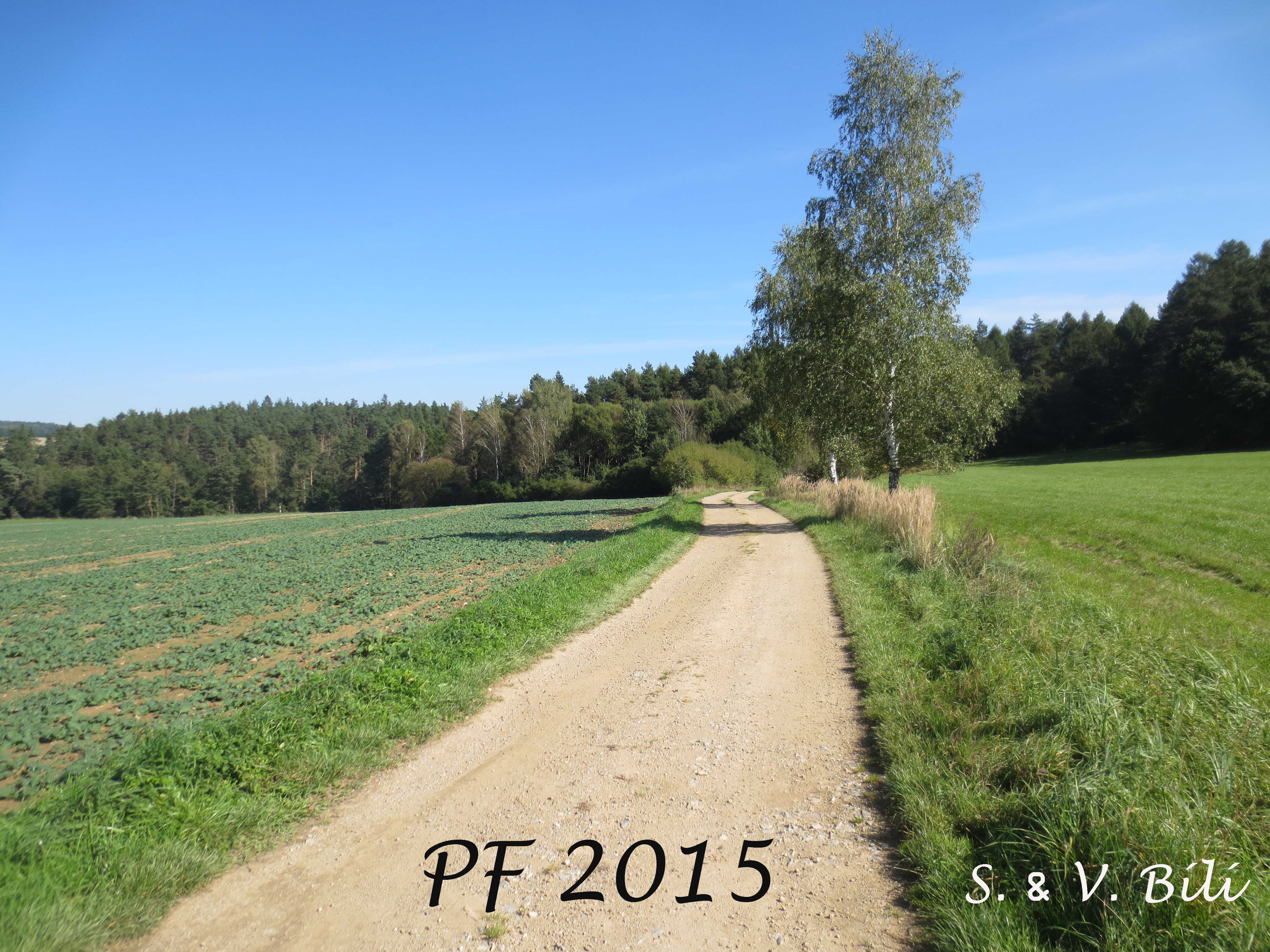
Svata Bílý—Prague, Czech Republic

Svata Bílý—Prague, Czech Republic

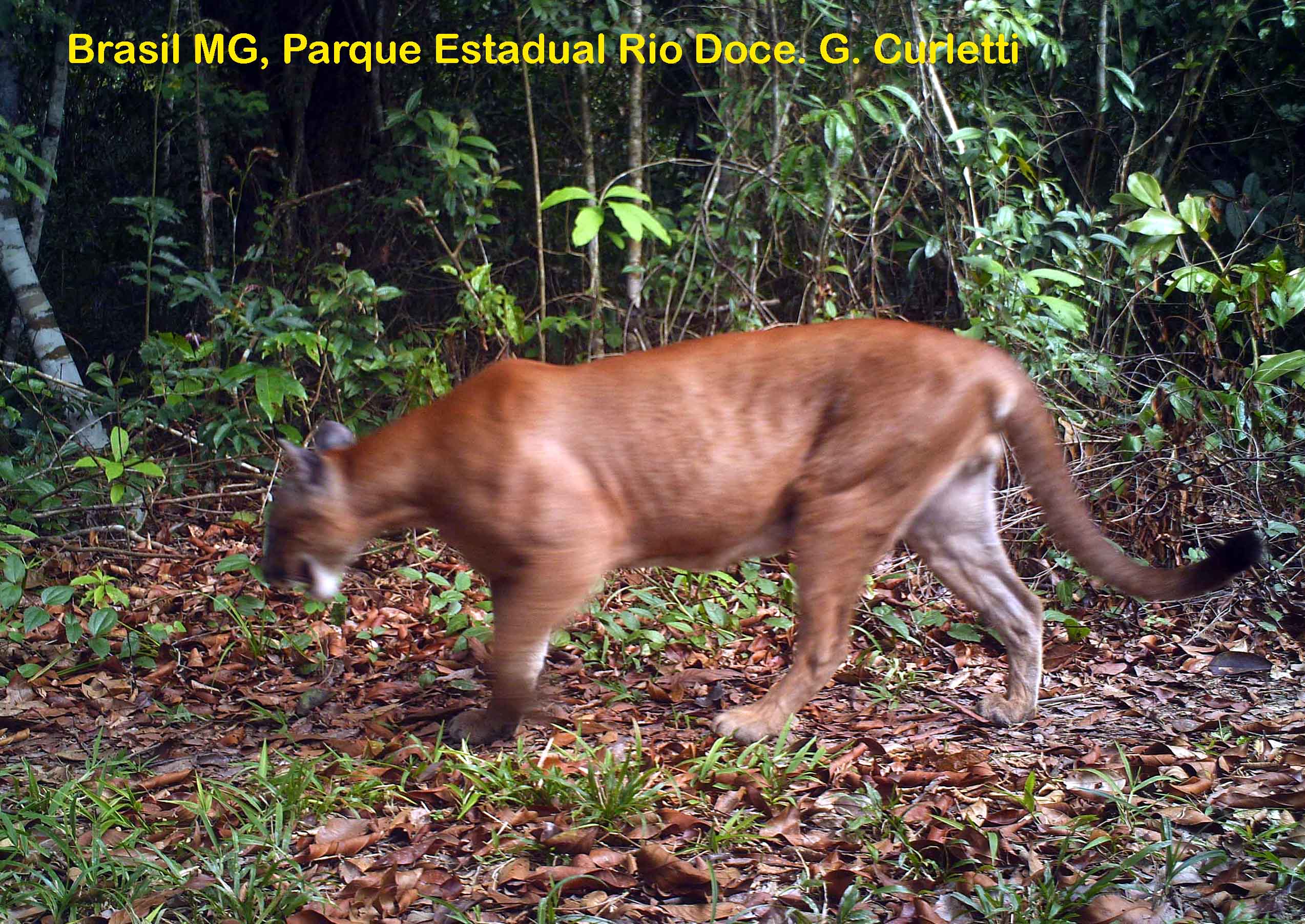
Gianfranco Curletti, Museo Civico di Storia Naturale, Carmagnola, Italy

Gianfranco Curletti, Museo Civico di Storia Naturale, Carmagnola, Italy

Eduard Jendek, State Forest Products Research Institute, Bratislava, Slovakia

Eduard Jendek, State Forest Products Research Institute, Bratislava, Slovakia

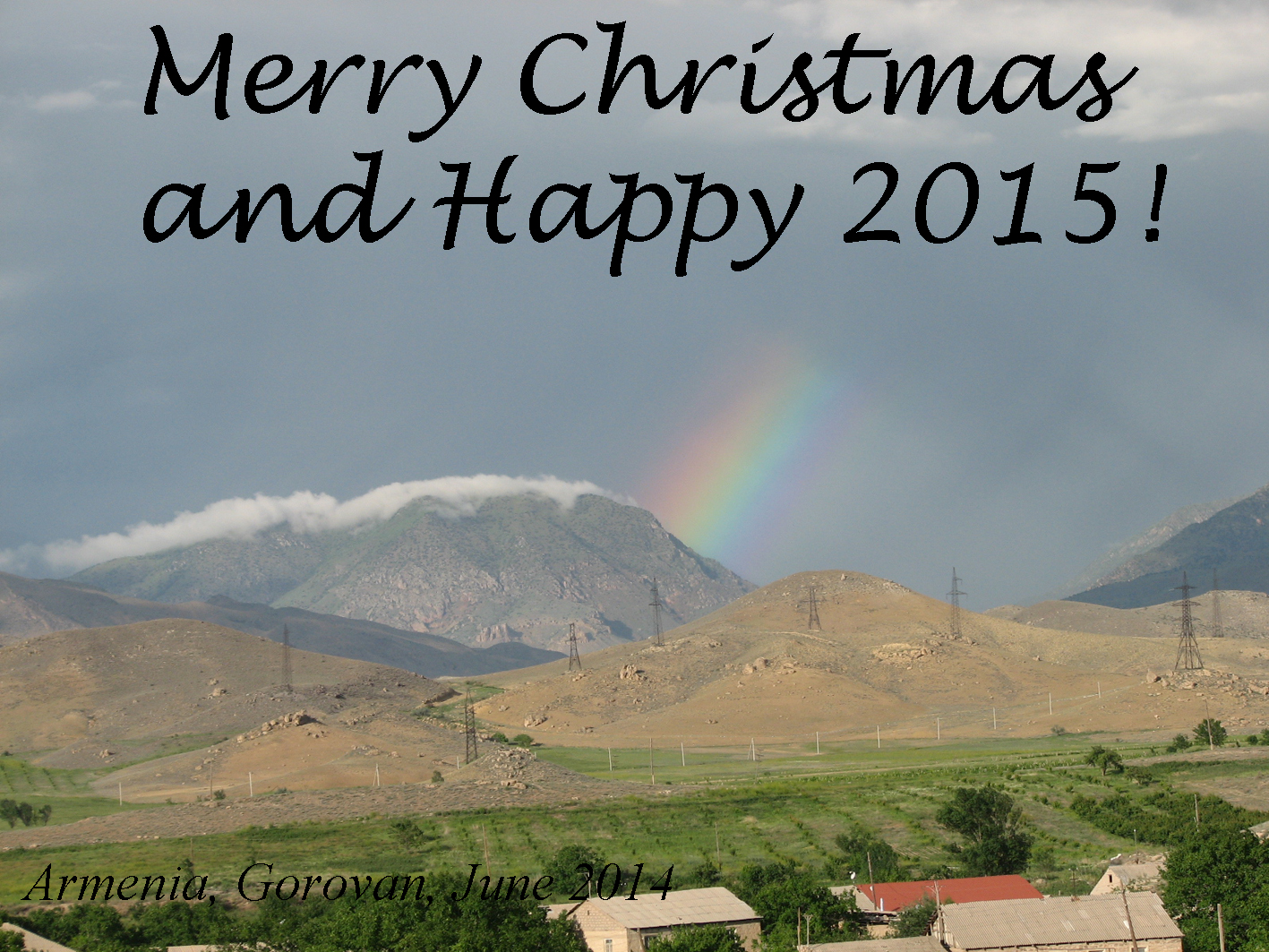
Mark Kalashian, Institute of Zoology, Yerevan, Armenia

Mark Kalashian, Institute of Zoology, Yerevan, Armenia

Allan Smith-Pardo, USDA-APHIS-PPQ, South San Francisco, California, USA

Allan Smith-Pardo, USDA-APHIS-PPQ, South San Francisco, California, USA

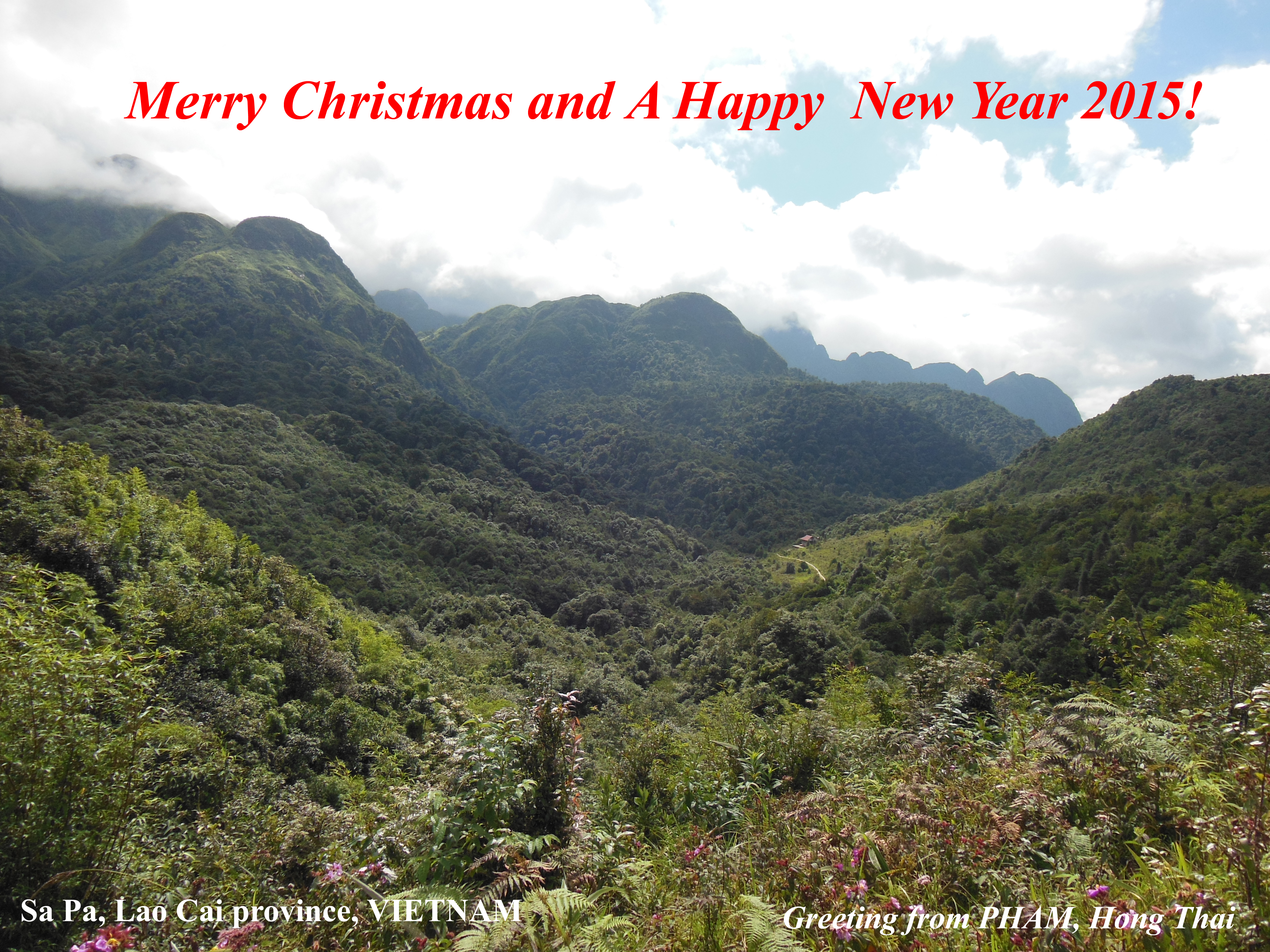
Pham, Hong Thai, Vietnam Academy of Science and Technology, Hanoi

Pham, Hong Thai, Vietnam Academy of Science and Technology, Hanoi

Stanislav Prepsl, Vyškov, Czech Republic

Stanislav Prepsl, Vyškov, Czech Republic

Robert Sites, University of Missouri, Columbia, USA

Robert Sites, University of Missouri, Columbia, USA

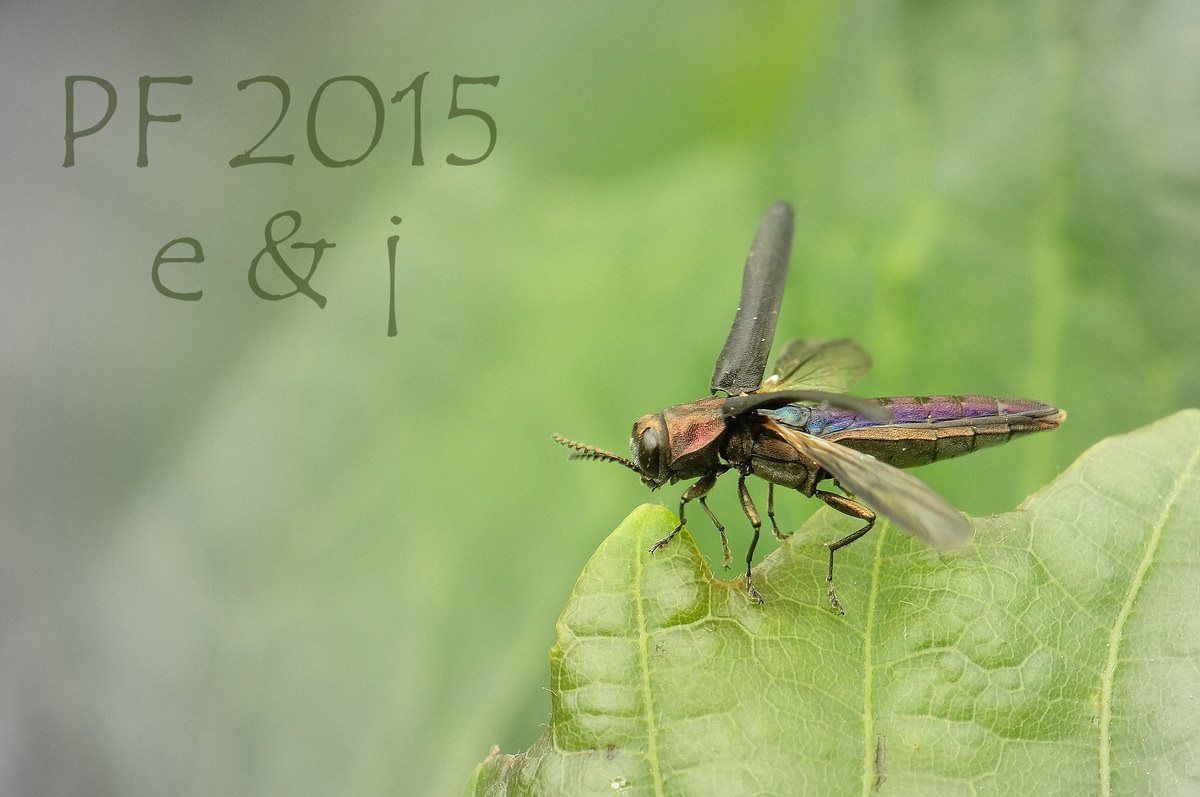
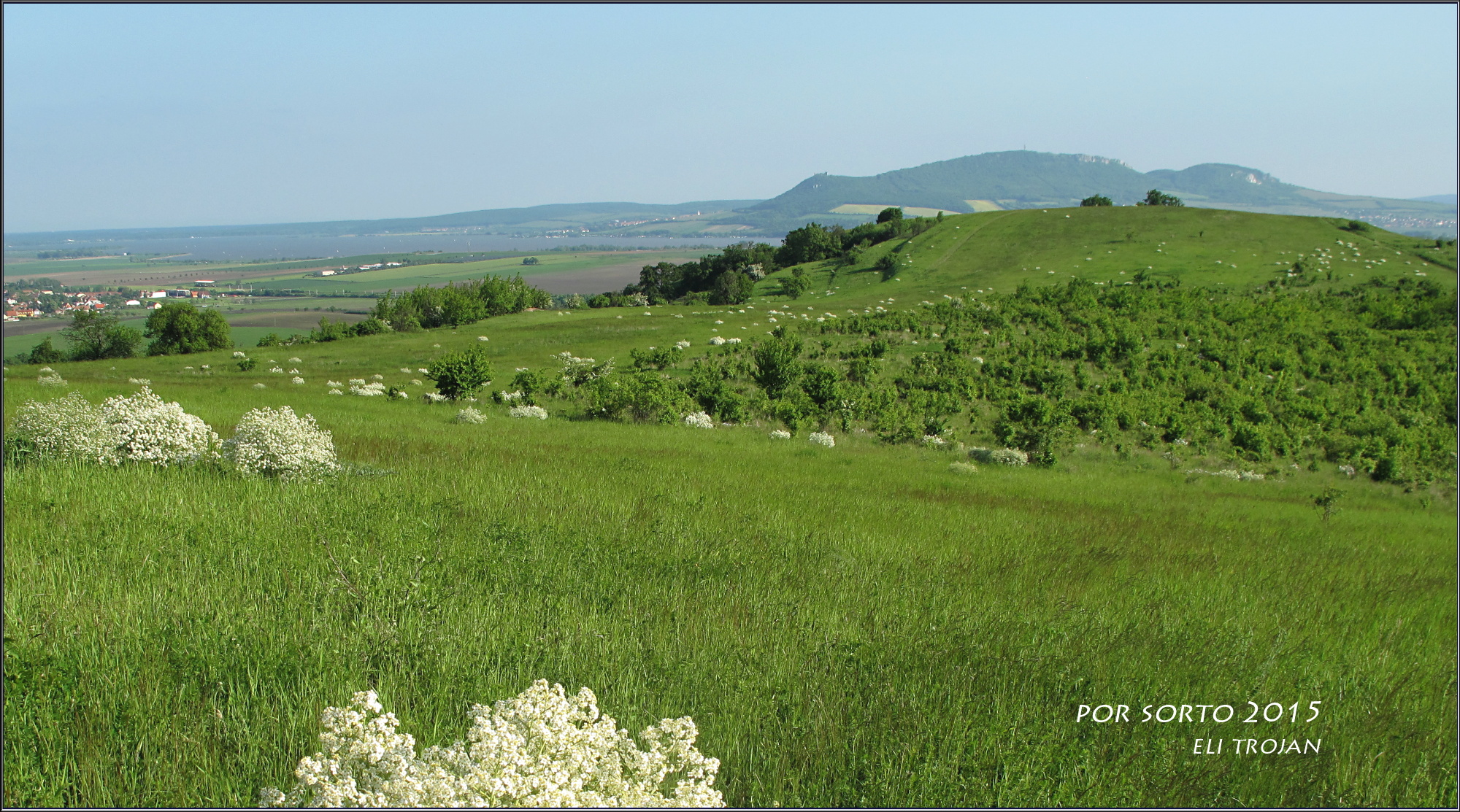
Ilja Trojan, South Moravia, Czech Republic

Ilja Trojan, South Moravia, Czech Republic

Mark Volkovitsh, Zoological Institute, St. Petersburg, Russia

Mark Volkovitsh, Zoological Institute, St. Petersburg, Russia

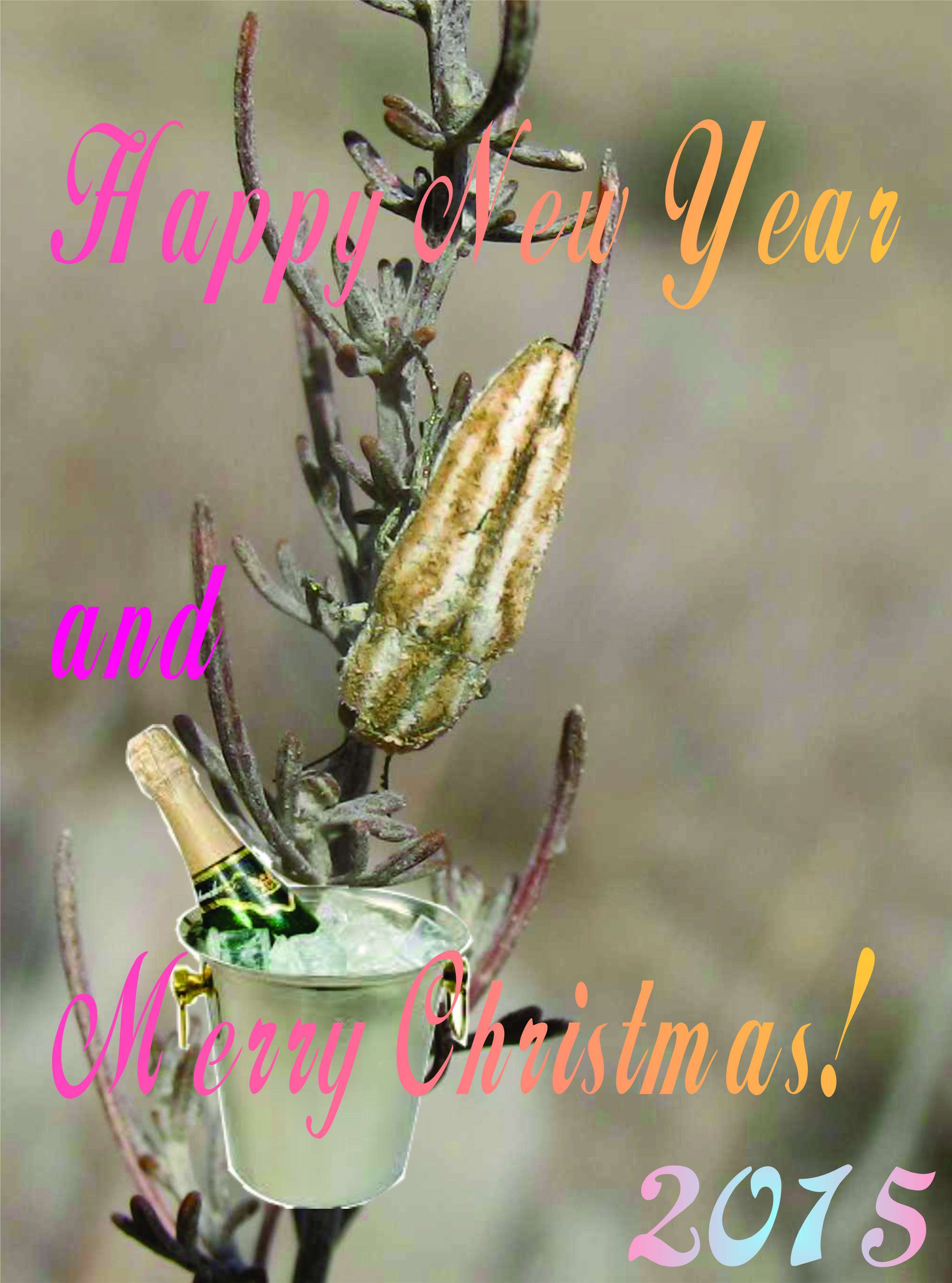
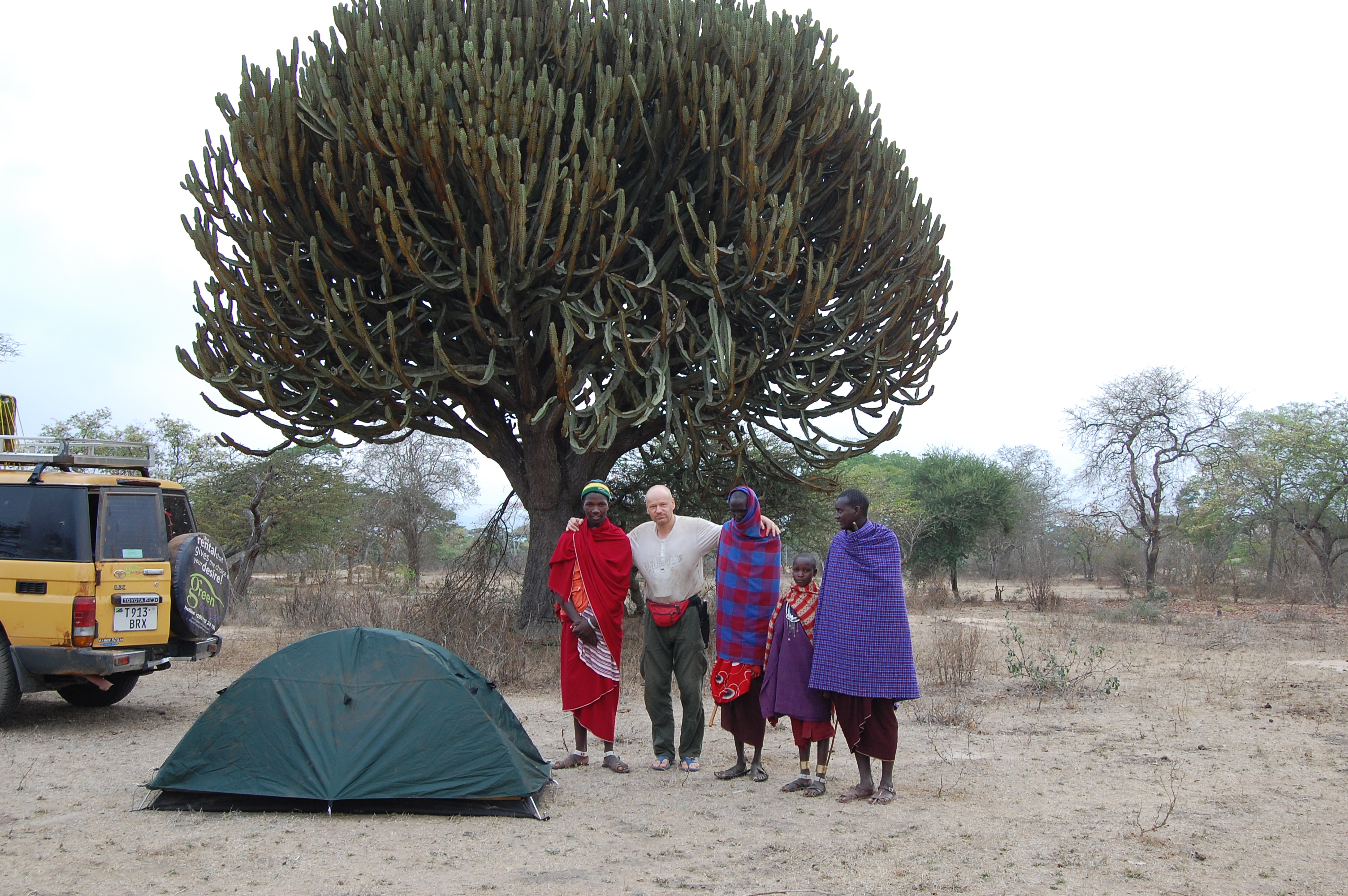
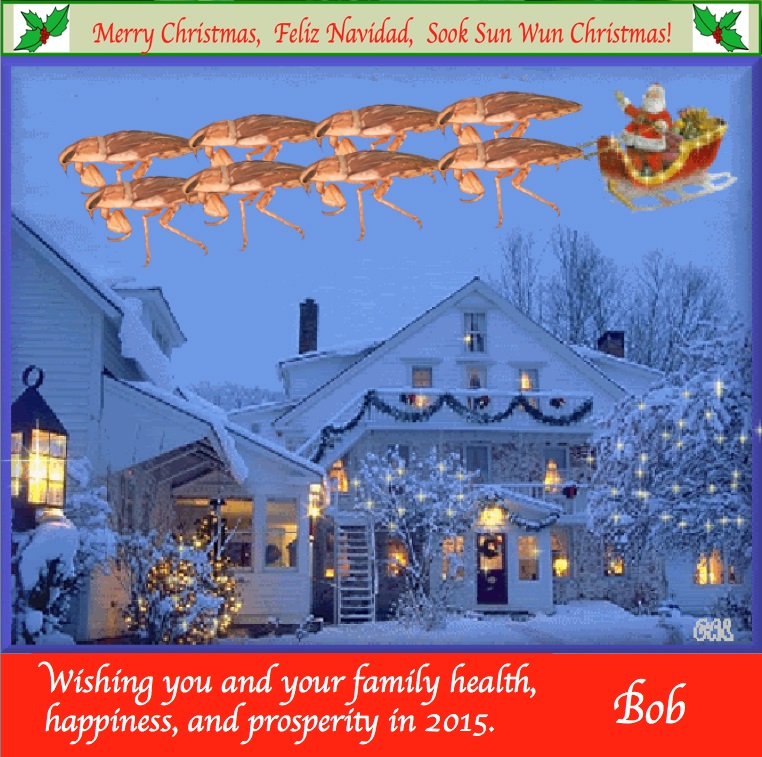
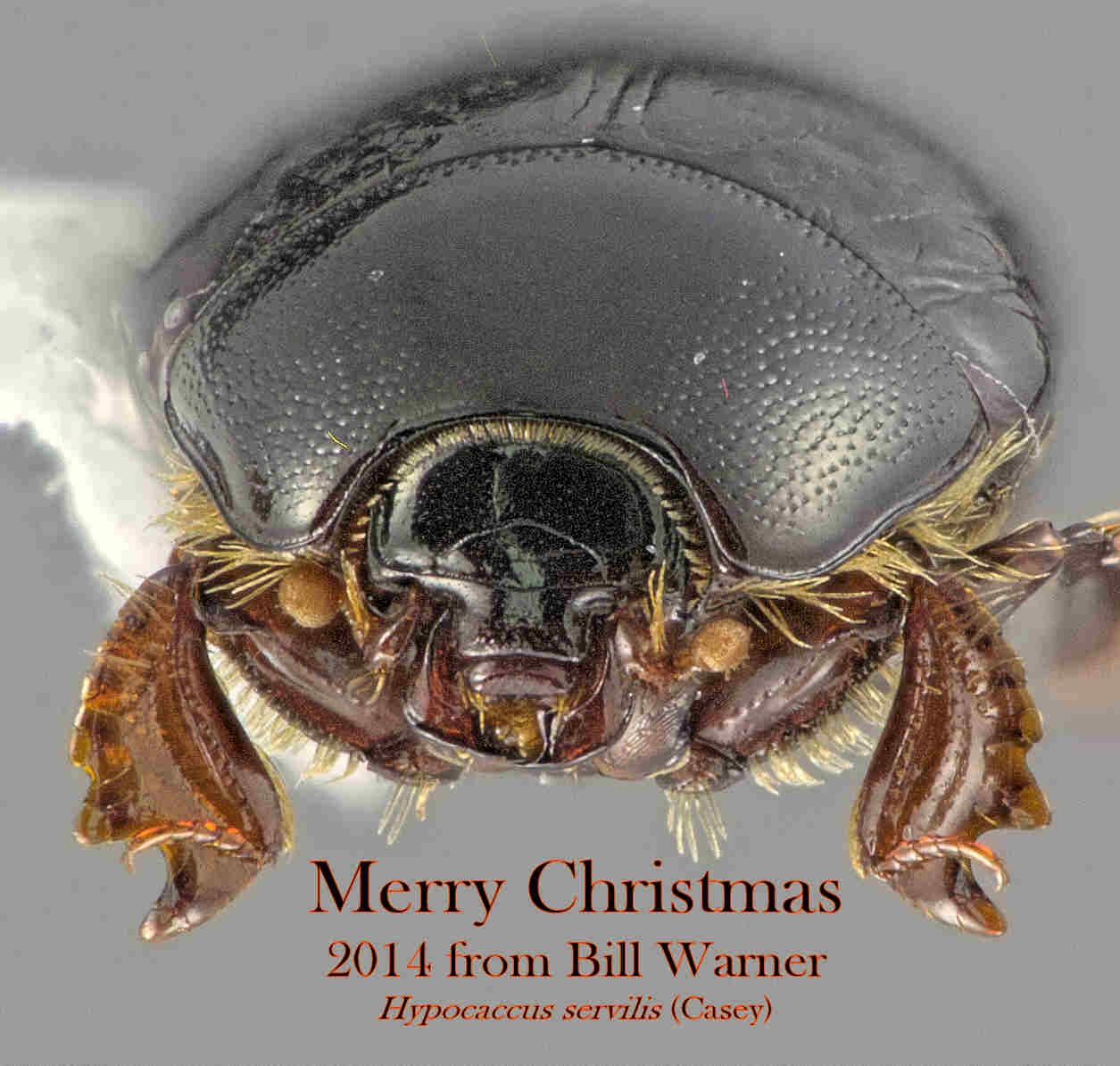
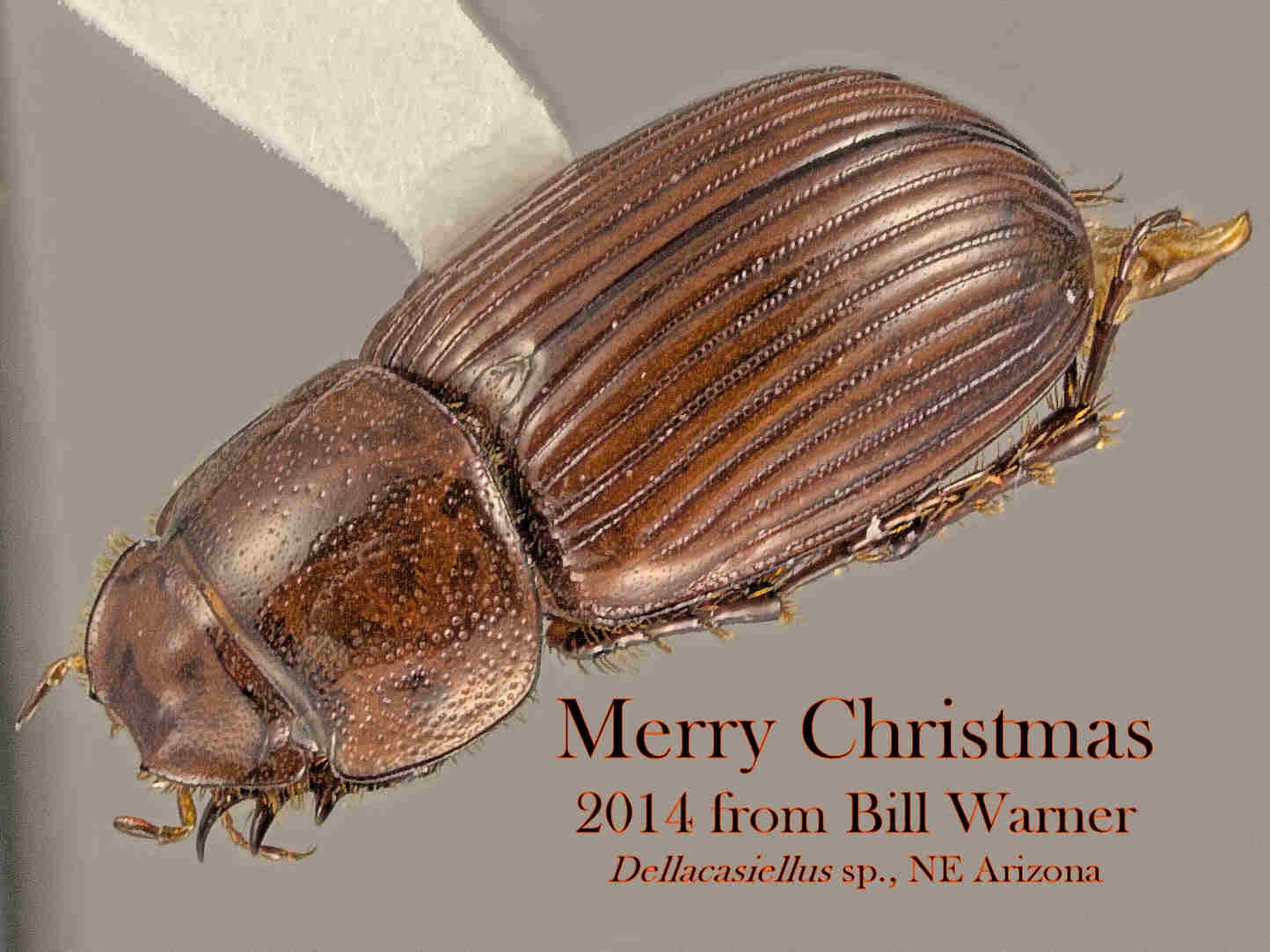
Bill Warner, Phoenix, Arizona, USA

Bill Warner, Phoenix, Arizona, USA

Bill Warner, Phoenix, Arizona, USA

Bill Warner, Phoenix, Arizona, USA

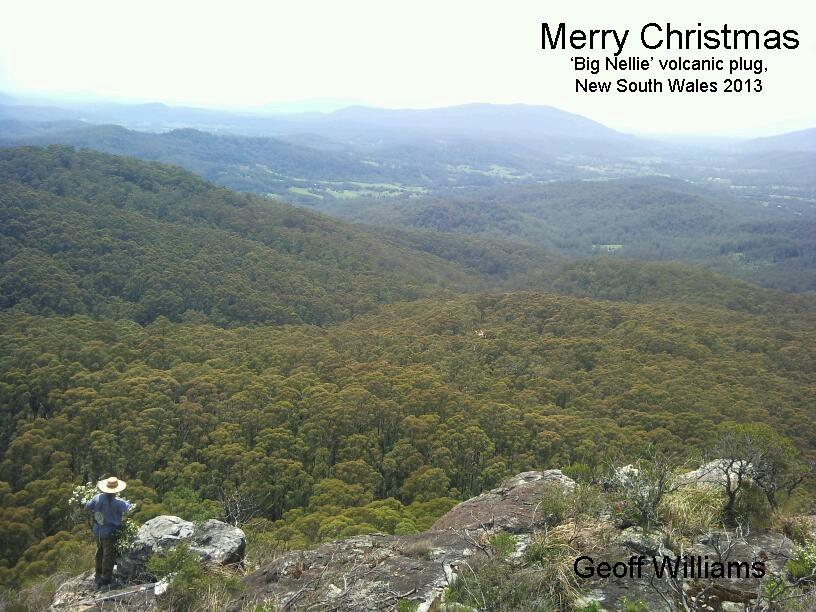
Goeff Williams, Australian Museum, Sydney South, New South Wales

Goeff Williams, Australian Museum, Sydney South, New South Wales

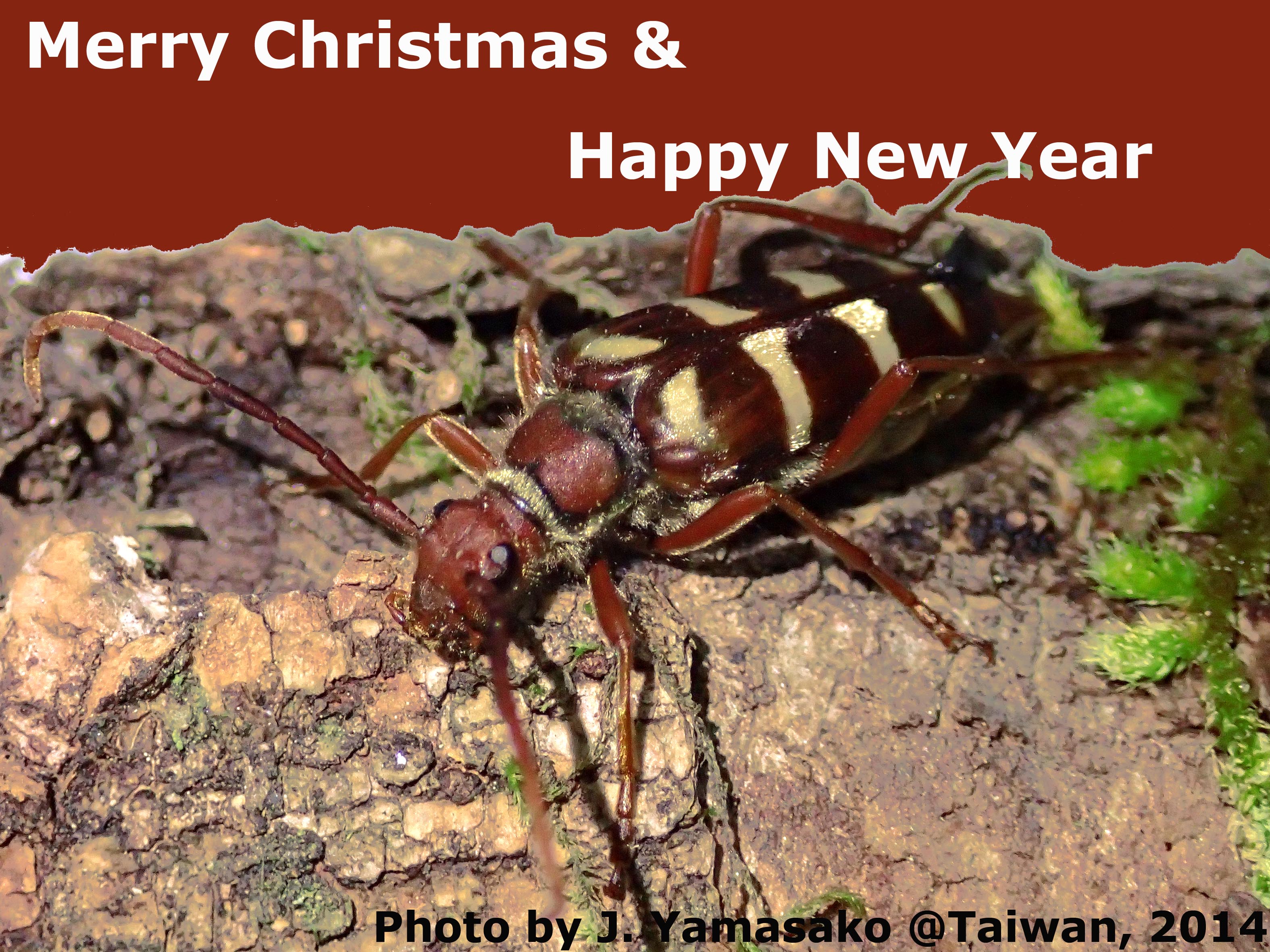
Junsuke Yamasako, University of Tokyo, Japan

Junsuke Yamasako, University of Tokyo, Japan

Copyright © Ted C. MacRae 2014