Millipede assassin bug

Ectrichodia crux

I continue the hemipteran theme begun in the last post with this photograph I took in South Africa below the Waterberg Range in Northern (now Limpopo) Province. I recognized them as members of the family Reduviidae (assassin bugs), and since to my knowledge species in this family are exclusively predaceous (except for the so-called “kissing bugs” of the mostly Neotropical subfamily Triatominae, large distinctive bugs that feed exclusively on vertebrate blood), I found what I took to be a case of scavenging on a dead millipede to be rather curious.  It had rained the previous evening, resulting in a burst of millipede (and insect) activity that night, and this scene was rather commonly encountered the following morning. Of course, appearances can be deceiving, and it turns out that I actually was witnessing predation – and a most unusual case at that.  The individuals in this photo represent Ectrichodia crux (millipede assassin bug), a common species in many parts of southern Africa.  Although nearly 500 species of assassin bugs are known from the region (Reavell 2000), E. crux is easily recognizable due to its large size (adults measure up to 22 mm in length), stout form, and coloration – shiny black, with a distinctive black cross incised on its dull yellow thorax and with yellow abdominal margins (Picker et al. 2002). The nymphs as well are distinctive – bright red with black wing pads. Clearly, these insects are advertising something.

Ectrichodia crux belongs to the subfamily Ectrichodiinae, noted for their aposematic coloration – often red or yellow and black or metallic blue, and as specialist predators of Diplopoda (Heteropteran Systematics Lab @ UCR).  Species in this subfamily are most commonly found in leaf litter, hiding during the day under stones or amongst debris and leaving their shelters at night in search of millipedes (Scholtz and Holm 1985). They are ambush predators that slowly approach their prey before quickly grabbing the millipede and piercing the body with their proboscis, or “beak.”  Saliva containing paralytic toxins and cytolytic enzymes is injected into the body of the millipede to subdue the prey and initiate digestion of the body contents, which are then imbibed by the gregariously feeding assassin bugs.

Millipedes employ powerful chemical defenses – primarily benzoquinones and sometimes hydrogen cyanide gas as well, which are discharged from specialized glands along the millipede’s body – to protect themselves from predation.  Thus, specialized predation of millipedes is a niche that has been exploited by relatively few predators, and little is known about the mechanisms used for circumventing these defenses. The recently reported millipede specialist, Deltochilum valgum (order Coleoptera, family Scarabaeidae), has been observed killing its prey by violently decapitating and disarticulating it before feeding on the body contents (Larsen et al. 2009, summary here); however, the exact manner by which the beetle avoids or withstands the millipede’s chemical discharges remains unknown.  For ambush predators such as Ectrichodia crux and other ectrichodiines, a strategy similar to that described for another millipede specialist predator, larvae of the phengodid beetle, Phengodes laticollis (order Coleoptera, family Phengodidae), might be employed. This species subdues its millipede prey by piercing thinner regions of the millipede’s integument (e.g., intersegmental membranes on the ventral surface) with its hollow sickle-shaped mandibles and apparently injecting gastric fluids that abruptly paralyze the millipede, thereby preventing it from discharging its gland contents (Eisner et al. 1998).  These undischarged benzoquinones remain confined to the glands and are prevented from diffusing into the body cavity by the glands’ impervious cuticular lining, thus allowing the phengodid larva to safely imbibe the liquified systemic contents of the immobilized millipede.

REFERENCES:

Eisner, T., M. Eisner, A. B. Attygalle, M. Deyrup and J. Meinwald. 1998. Rendering the inedible edible: Circumvention of a millipede’s chemical defense by a predaceous beetle larva (Phengodidae).  Proceedings of the National Academy of Sciences USA 95(3):1108–1113.

Larsen, T. H., A. Lopera, A. Forsyth and F. Génier. 2009. From coprophagy to predation: a dung beetle that kills millipedes. Biology Letters DOI:10.1098/rsbl.2008.0654.

Picker, M., C. Griffiths and A. Weaving. 2002. Field Guide to Insects of South Africa. Struik Publishers, Cape Town, 444 pp.

Reavell, P. E. 2000. The assassinbugs (Hemiptera: Reduviidae) of South Africa. http://oldwww.ru.ac.za/academic/departments/zooento/Martin/reduviidae.html#ectrichodiinae.

Scholtz, C. H. and E. Holm (eds.). 1985. Insects of Southern Africa. Butterworths, Durbin, South Africa, 502 pp.

Copyright © Ted C. MacRae 2009

Add to FacebookAdd to NewsvineAdd to DiggAdd to Del.icio.usAdd to StumbleuponAdd to RedditAdd to BlinklistAdd to Ma.gnoliaAdd to TechnoratiAdd to Furl

Bizarre, beautiful extremes

No niche, it seems goes unfilled. Specialization is likely to be pushed to bizarre, beautiful extremes.–E. O. Wilson, The Diversity of Life

Wilson didn’t mention treehoppers specifically when he made the above quote, referring to the exuberance of extreme behavioral and morphological adaptations seen in the biota of the tropics, but he could have just as easily led off with them.  Treehoppers (order Hemiptera, family Membracidae) are well-known for their variety of oddly grotesque shapes resulting from a curiously inflated pronotum – presumably having evolved to resemble thorns and buds on their host plants, or the ants that vigorously defend numerous treehopper species in exchange for their sweet honeydew, or perhaps to aid in the dispersal of volatile sex pheromones (an attractive hypothesis but lacking experimental support). Despite inordinate attention in relation to their low economic importance, it remains that the pronotal modifications of many treehoppers are so bizarre that they continue to defy any logical explanation.

I must admit that, despite my passion for beetles, treehoppers were my first love.  (Well, actually anything that I could bring home from my solo wanderings in the urban woodlands and vacant lots near my childhood home and keep alive in a terrarium was my first true love, but from an academic standpoint, treehoppers were the first group to arouse my taxonomic interest as I began my transformation from child collector to serious student.) I had just begun graduate school in the Enns Entomology Museum under the late hemipterist Tom Yonke to conduct leafhopper host preference and life history studies, and although far more Cornell drawers in the museum contained Cicadellidae, it was the treehopper drawers that I found myself rifling through each afternoon after completing the day’s thesis duties. Despite their lesser number, the treehopper drawers had recently benefited from the attentions of a previous student, Dennis Kopp, whose efforts during his time at the museum concentrated on collecting treehoppers from throughout Missouri and culminated in the four-part publication, The Treehoppers of Missouri (1973-1974). I was enamored by these little beasts – specifically by their exaggerated pronotum – and started collecting them whenever I could on my forays around the state surveying for leafhoppers. They were closely enough related to leafhoppers to make them relevant to my work, only cooler – like leafhoppers on steroids! With The Treehoppers of Missouri as my bible and my desk located a half dozen footsteps from the largest treehopper collection within a several hundred mile radius, I delved into their taxonomy and, for a time, considered a career as a professional membracid taxonomist.

Fast forward nearly 30 years, and my involvement as a taxonomist is neither professional nor deals with membracids. Beetles have taken over as my focal taxon, and I conduct these studies strictly as an avocation. Still, I continue to collect treehoppers as I encounter them, and although such efforts have been largely opportunistic, I’ve managed to assemble a fairly diverse little collection of these insects as a result of my broad travels. Much of this has occurred in the New World tropics, and it is this region that is the center of diversity for the family Membracidae (fossil evidence suggests that subfamily diversification and subsequent New World radiation began during Tertiary isolation about 65 million years ago after South America separated from Africa, since only the primitive subfamily Centrotinae occurs in both the Old and the New Worlds – all other subfamilies are restricted the New World (Wood 1993)).  Every now and then, as I accumulate enough material to fill a Schmidt box, I sit down and study what I’ve collected, comparing it to my meager literature to attempt identifications.  For material I collect in eastern North America, this works fairly well, as there have been a number of publications covering different parts of this area.  Outside of this area, however, my only hope is to entice one of the few existing membracid specialists into agreeing to look at what I’ve accumulated and ask for their help in providing names, in exchange for which they will be granted retention privileges to benefit their research.

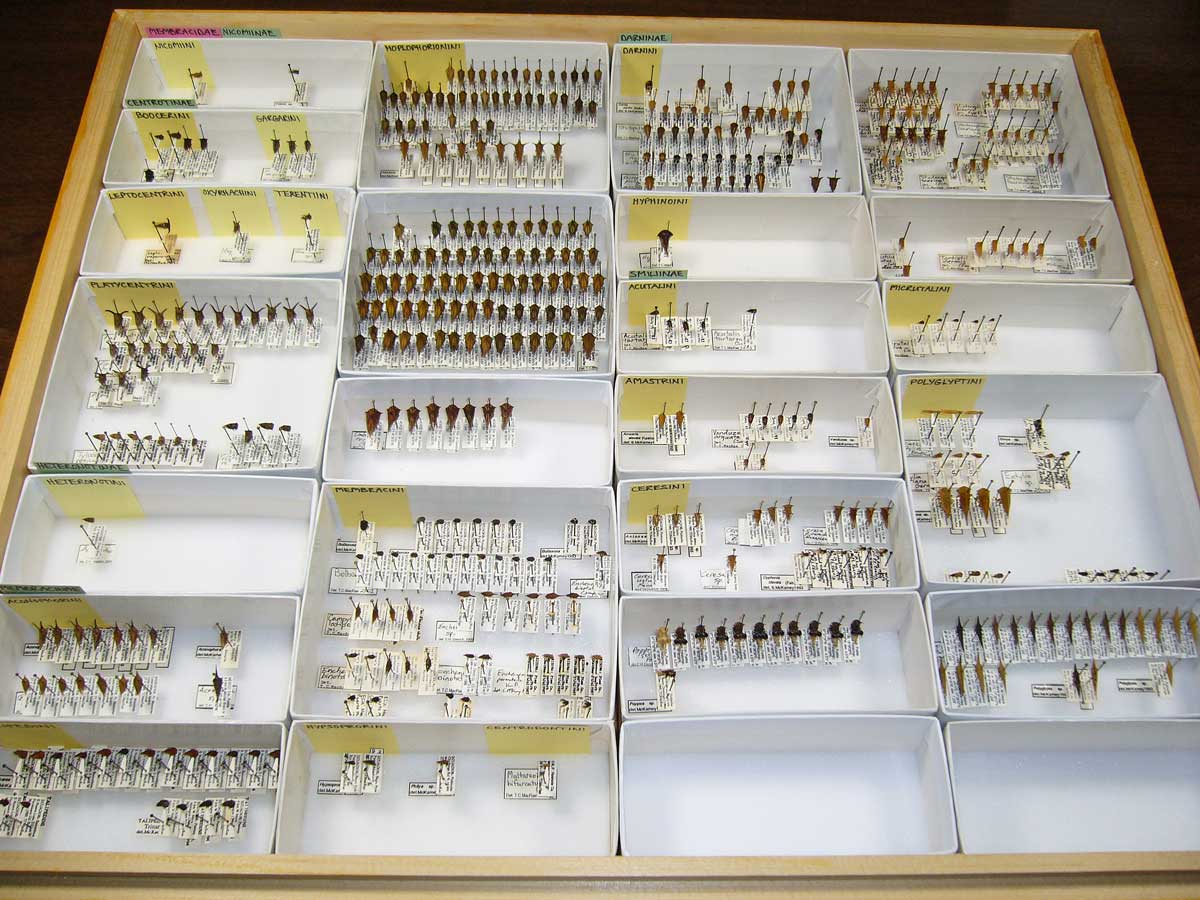
idd-treehoppersMost recently, I was able to convince Illinois Natural History Survey entomologist Chris Dietrich to take a look at the material I had accumulated during the past ten years or so, which included many specimens from Mexico and a smattering from other world areas, including South Africa. Chris did his doctoral work at North Carolina State University under “Mr. Membracid” himself, Lewis Deitz, and has since been conducting evolutionary and phylogenetic studies on Membracidae and the related Cicadomorpha. I recently received this material back from Chris (photo above), the majority of which he had been able to identify to species – only a few specimens in the more problematic genera were left with a generic ID.

Oaxaca)

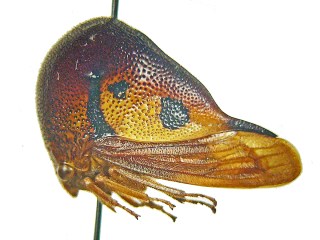
Campylocentrus sp. (Mexico: Oaxaca)

Oaxaca)

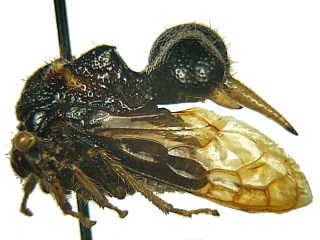
Hyphinoe obliqua (Mexico: Oaxaca)
Puebla)

Poppea setosa (Mexico: Puebla)

Oaxaca)

Umbonia reclinata (Mexico: Oaxaca)

Puebla)

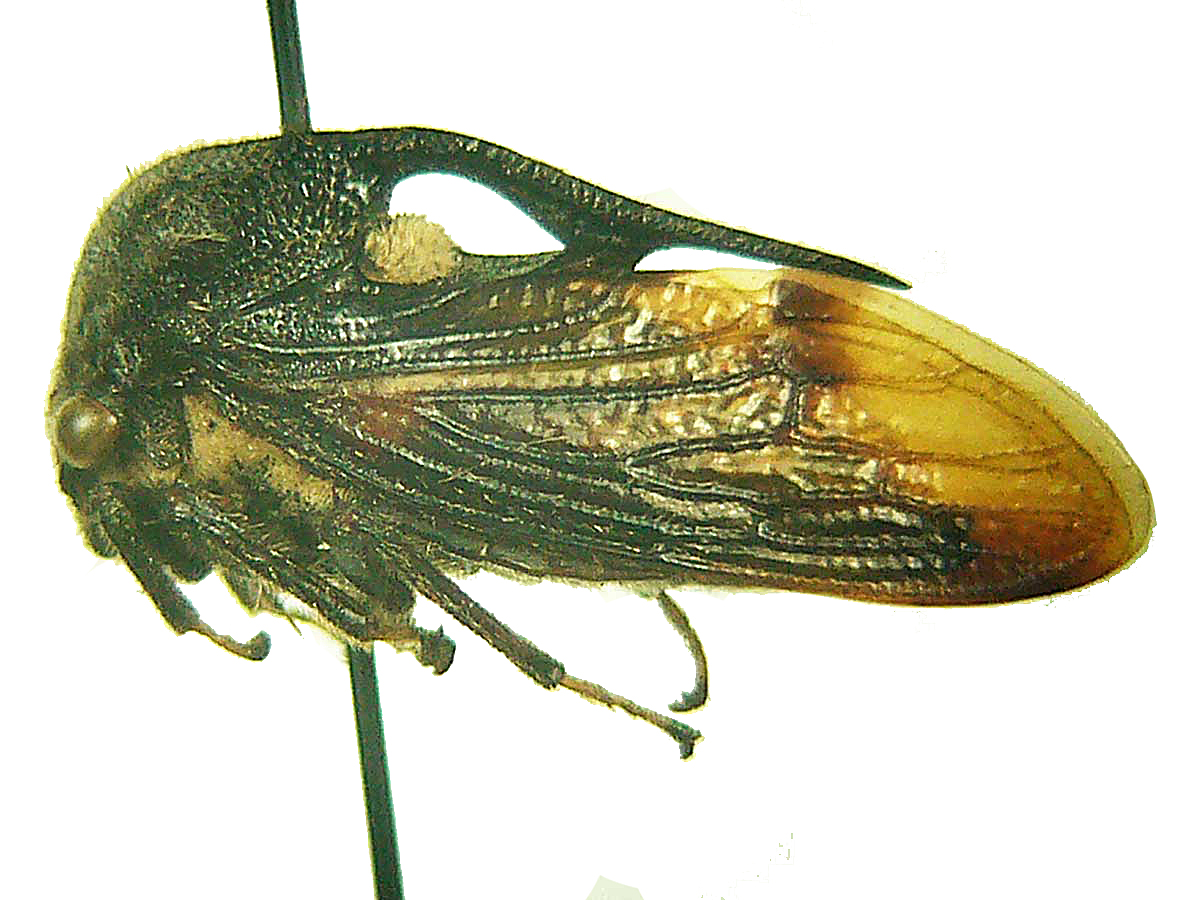
Umbonia crassicornis male (Mexico: Puebla)
umbonia_crassicornis_female

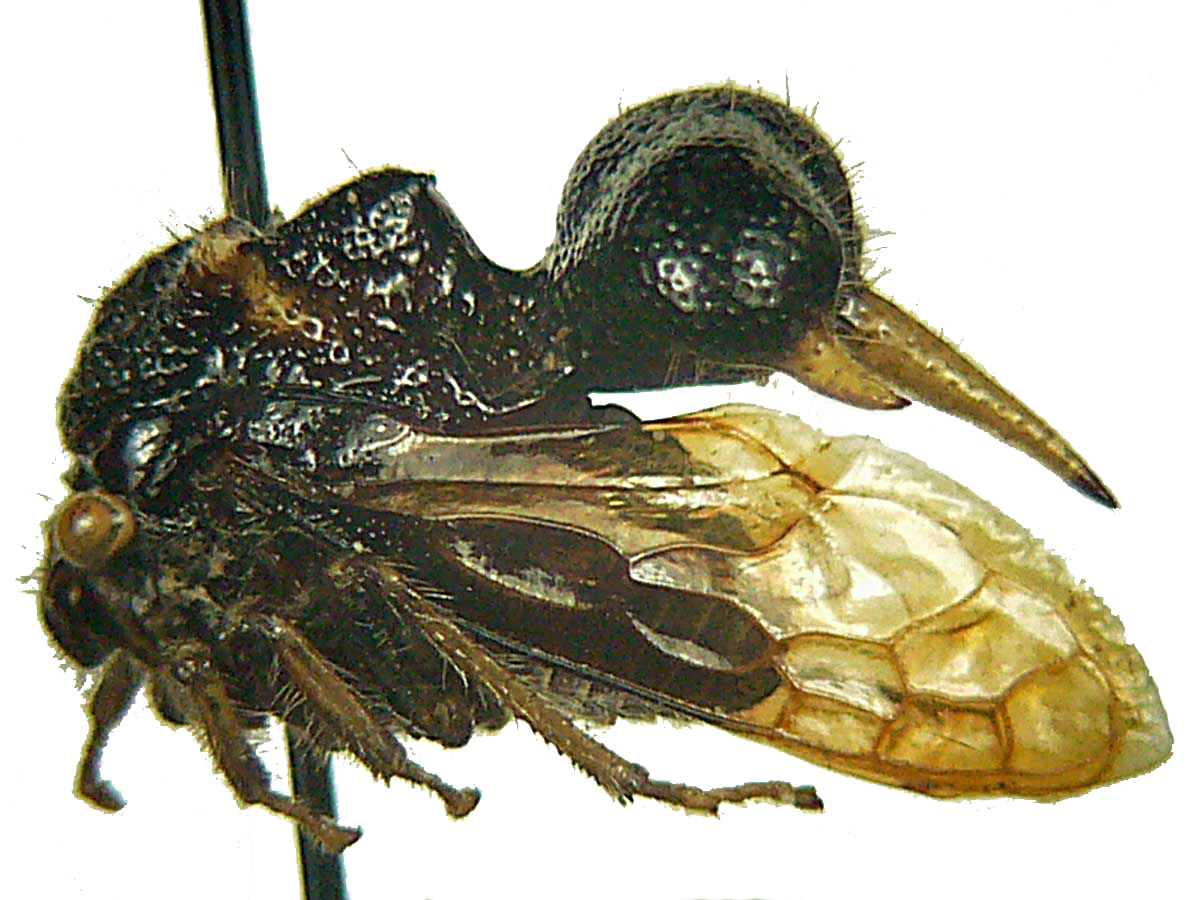
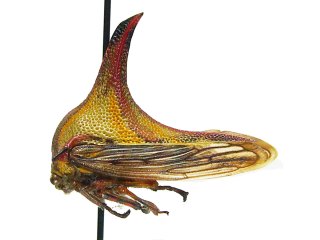
Umbonia crassicornis female (Mexico: Puebla)

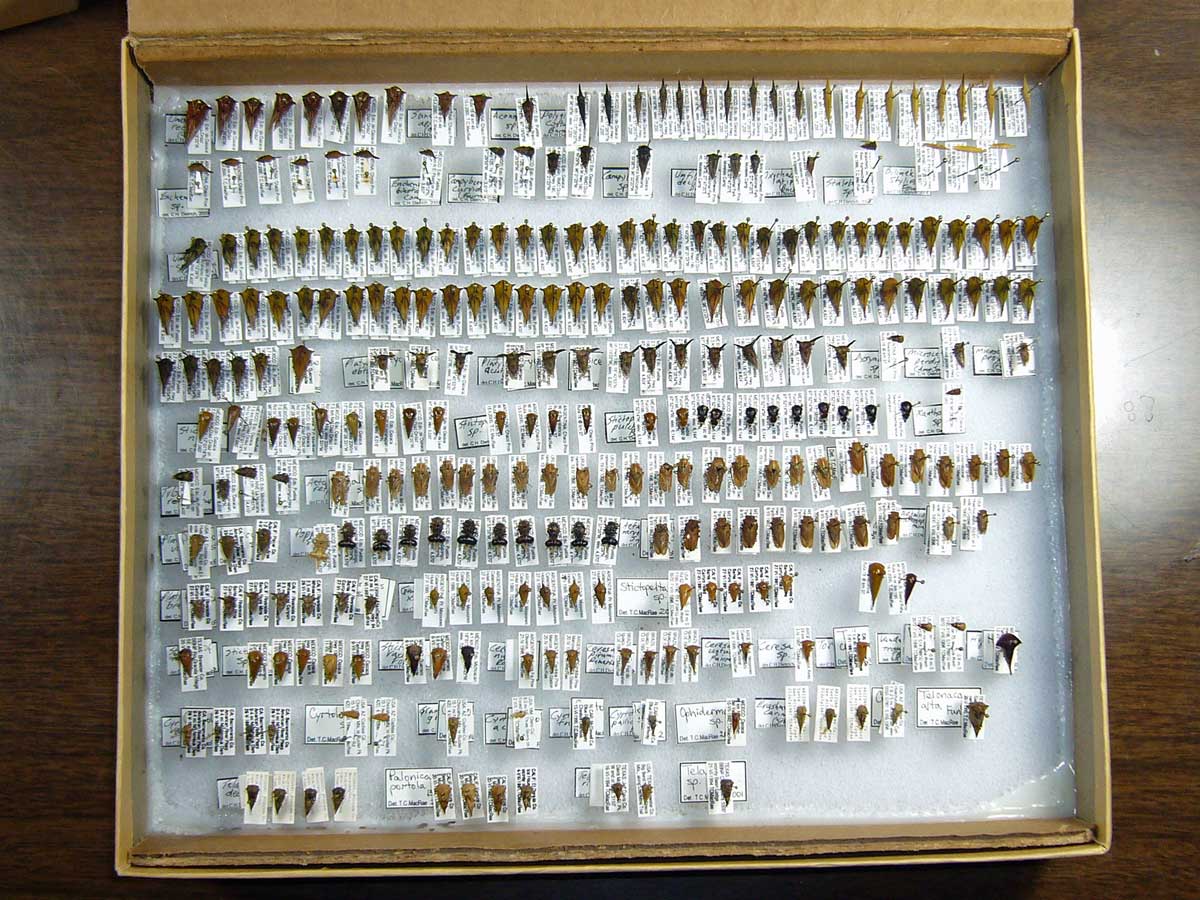
The selection of photos here show a sampling of some of the more interesting forms contained within this batch of newly identified material – all of which hail from southern Mexico. Campylocentrus sp. is an example of the primitive subfamily Centrotinae, distinguished among most membracid subfamilies by the exposed scutellum (not covered by the expanded pronotum).  Hyphinoe obliqua is an example of the largely Neotropical subfamily Darninae, while Poppea setosa represents one of the more bizarre ant-mimicking species of the subfamily Smiliinae.  Umbonia is a diverse genus in the subfamily Membracinae, occurring from the southern U.S. south into South America. Umbonia crassicornis is one of the most commonly encountered species in this genus, with the photos here showing the high degree of sexual dimorphism it exhibits.  As membracids go, these species are quite large (10 mm in length from frons to wing apex for Campylocentrus sp. and P. setosa, a slightly larger 11-13 mm for the others); however, the many smaller species in this family are no less extraordinarily ornamented.  I’ve also included a photo (below) of one of the drawers from the main collection after incorporating the newly identified material – this drawer represents about half of my treehopper collection, with the largely Nearctic tribe Smiliini and the primitive family Aetalionidae contained in another drawer. In all, the material contained one new subfamily, six new tribes, 13 new genera¹, and 30 new species for my collection. For those with an appetite for brutally technical text, a checklist of the species identified, arranged in my best attempt at their current higher classification, is appended below (any treehopper specialist who happens upon this should feel free to set the record straight on any errors). For each species, the country of origin (and state for U.S. specimens) is indicated along with the number of specimens, and higher taxa new to my collection are indicated with an asterisk(*). Don’t worry, I didn’t type this up just to post it here – it’s a cut/paste job from my newly updated collection inventory for Membracoidea. Happy reading!

¹Wildly off topic, and perhaps of interest only to me, but two of the genera represented in the material are homonyms of plant genera: Oxyrhachis is also a Madagascan genus of Poaceae, and Campylocentrus is a Neotropical genus of Orchidaceae. Scientific names of plants and animals are governed by separate ruling bodies (ICBN and ICZN, respectively), neither of which specifically prohibit (but do recommend against) creating inter-code homonyms. The number of such homonyms is surprisingly high – almost 9,000 generic names have been used in both zoology and botany (13% of the total in botany) (source).  Fortunately, there is only one known case of plant/animal homonymy fr BOTH genus- and species-level names – Pieris napi japonica for a subspecies of the gray-veined white butterfly (Pieridae) and Pieris japonica for the popular ornamental plant Japanese andromeda (Ericaceae).
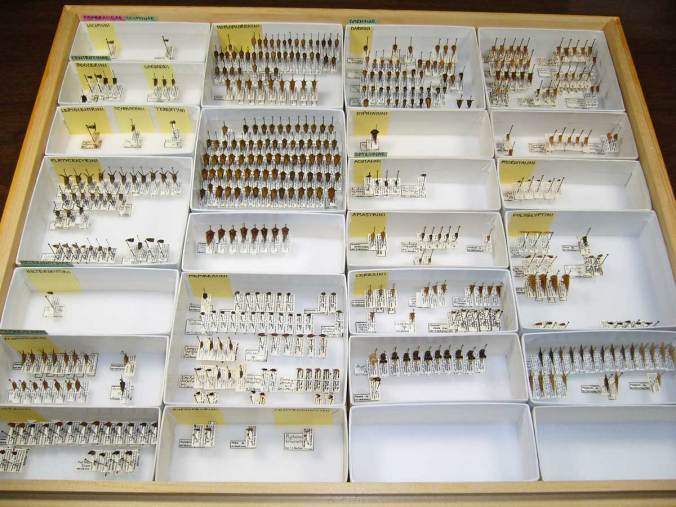
treehopper_drawer
REFERENCES:

Kopp, D. D. and T. R. Yonke. 1973-1974. The treehoppers of Missouri: Parts 1-4. Journal of the Kansas Entomological Society 46(1):42-64; 46(3):375-421; 46(3):375-421; 47(1):80-130.

Wood, T. K. 1999. Diversity in the New World Membracidae. Annual Review of Entomology 38:409-435.
.


.
Superfamily MEMBRACOIDEA
Family MEMBRACIDAE
Subfamily CENTROTINAE

 *Tribe BOOCERINI
*Campylocentrus curvidens (Fairmaire) [Mexico] – 4
Campylocentrus sp. [Mexico] – 1

*Tribe GARGARINI
*Umfilianus declivus Distant [South Africa] – 3

*Tribe OXYRHACHINI
*Oxyrhachis latipes (Buckton) [South Africa] – 1

Tribe PLATYCENTRINI
Platycentrus acuticornis Stål [Mexico] – 11
Platycentrus obtusicornis Stål [Mexico] – 3
Platycentrus brevicornis Van Duzee [USA: California] – 7
Tylocentrus reticulatus Van Duzee [Mexico] – 4

*Tribe TERENTIINI
*Stalobelus sp. [South Africa] – 1

*Subfamily HETERONOTINAE

*Tribe HETERONOTINI
*Dysyncritus sp. [Argentina] – 1

Subfamily MEMBRACINAE

Tribe ACONOPHORINI
Aconophora sp. female [Mexico] – 1
*Guayaquila xiphias (Fabricius) [Argentina] – 7

Tribe HOPLOPHORIONINI
Platycotis vittata (Fabricius) [USA: Arizona, California] – 3
Umbonia crassicornis (Amyot & Serville) [Mexico] – 73
Umbonia reclinata (Germar) [Mexico] – 8

Tribe MEMBRACINI
Enchenopa binotata complex [Mexico] – 1
Enchenopa sp. [Argentina] – 6

Subfamily DARNINAE

Tribe DARNINI
Stictopelta nova Goding [Mexico] – 9
Stictopelta marmorata Goding [USA: Texas] – 1
Stictopelta pulchella Ball [Mexico] – 11
Stictopelta varians Fowler [Mexico] – 3
Stictopelta sp. [USA: Arizona, California] – 5
Stictopelta sp. [Mexico] – 5
Stictopelta spp. [Argentina] – 6
*Sundarion apicalis (Germar) [Argentina] – 2

*Tribe HYPHINOINI
*Hyphenoe obliqua (Walker) [Mexico] – 1

Subfamily SMILIINAE

Tribe AMASTRINI
Vanduzeea triguttata (Burmeister) [USA: Arizona] – 2

Tribe CERESINI
Ceresa nigripectus Remes-Lenicov [Argentina] – 3
Ceresa piramidatis Remes-Lenicov [Argentina] – 4
Ceresa ustulata Fairmaire [Argentina] – 1
Ceresa sp. female [Argentina] – 1
Poppea setosa Fowler [Mexico] – 11
Tortistilus sp. [USA: California] – 1

Tribe POLYGLYPTINI
*Bilimekia styliformis Fowler [Mexico] – 3
Polyglypta costata Burmeister [Mexico] – 18

Tribe SMILIINI
Cyrtolobus acutus Van Duzee [USA: New Mexico] – 1
Cyrtolobus fuscipennis Van Duzee [USA: North Carolina] – 1
Cyrtolobus pallidifrontis Emmons [USA: North Carolina] – 1
Cyrtolobus vanduzei Goding [USA: California] – 4
Cyrtolobus sp. [USA: Arizona] – 2
*Evashmeadea carinata Stål [USA: Arizona] – 4
*Grandolobus grandis (Van Duzee) [USA: Arizona] – 1
Ophiderma sp. [Mexico] – 1
Palonica portola Ball [USA: California] – 4
Telamona decora Ball [USA: Missouri] – 4
Telamona sp. [USA: Texas] – 1
*Telamonanthe rileyi Goding [USA: Texas] – 2
*Telonaca alta Funkhouser [USA: Texas] – 1
Xantholobus sp. [Mexico] – 1

Subfamily STEGASPINAE

Tribe MICROCENTRINI
Microcentrus perditus (Amyot & Serville) [USA: Texas] – 1
Microcentrus proximus (Fowler) [Mexico] – 1

Family AETALIONIDAE
Subfamily AETALIONINAE

Aetalion nervosopunctatum nervosopunctatum Signoret [Mexico] – 9
Aetalion nervosopunctatum minor Fowler [USA: Arizona] – 2
Aetalion reticulatum (Linnaeus) [Argentina, Uruguay] – 26

Copyright © Ted C. MacRae 2009

Add to FacebookAdd to NewsvineAdd to DiggAdd to Del.icio.usAdd to StumbleuponAdd to RedditAdd to BlinklistAdd to Ma.gnoliaAdd to TechnoratiAdd to Furl

A sand prairie autumn

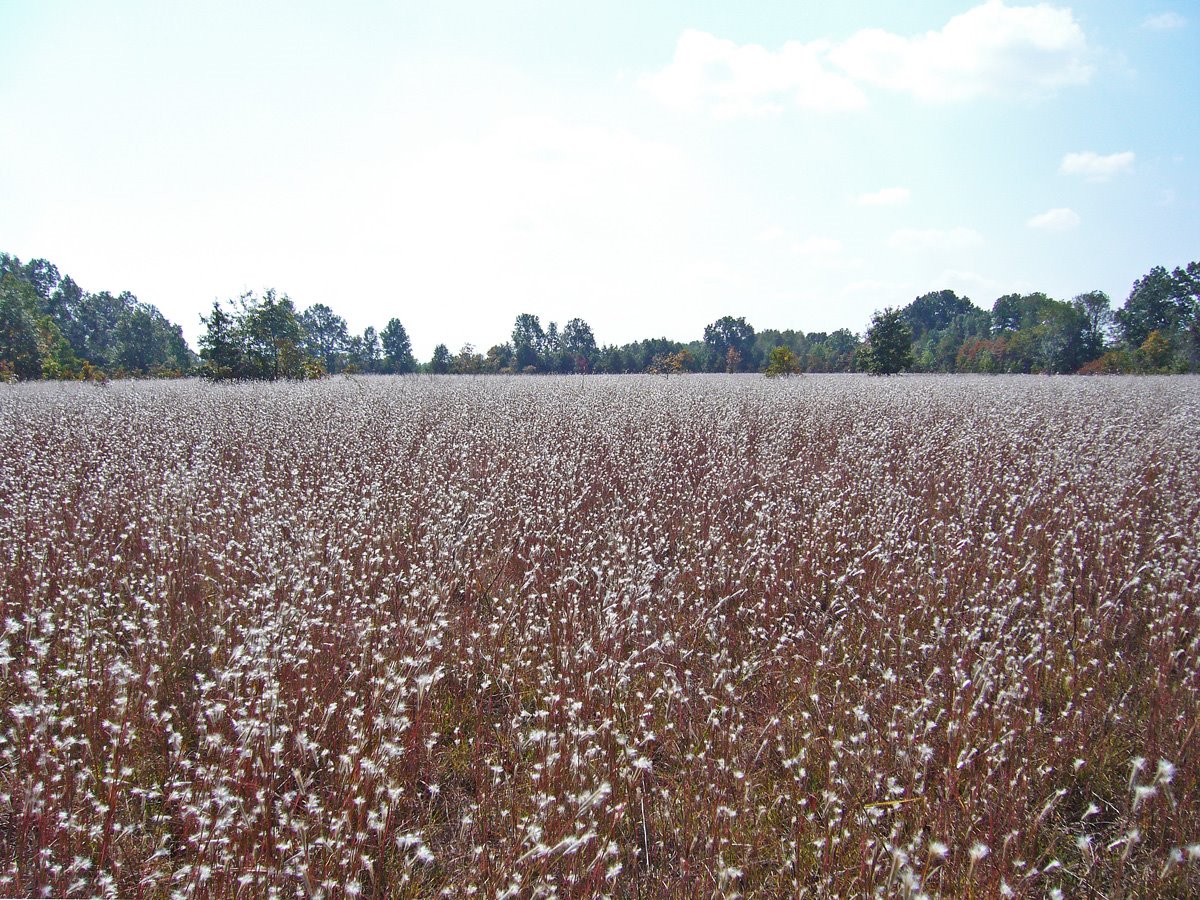
Splitbeard bluestem seed headsAsk any astronomer when autumn begins, and they will likely tell you it begins at the autumnal equinox – when shortening days and lengthening nights become equal as the sun crosses over the celestial equator. According to them, fall began this year on September 22 – at 11:44:18 A.M. EDT, to be precise. I agree that autumn begins at a precise moment, but it is not at the equinox. Rather, it is that unpredictable moment when a sudden crispness in the air is felt, when the sky somehow seems bluer and shadows seem sharper, and hints of yellow – ever so subtle – start to appear in the landscape. Butterfly pea blossomIn Missouri, with its middle latitudes, this usually happens a few weeks before the equinox, as August is waning into September. It is a moment that goes unnoticed by many, especially those whose lives and livelihoods have lost all connection with the natural world. To plants and animals, however, it is a clear signal – a signal to begin making preparations for the long cold months of winter that lie ahead. Plants that have not yet flowered begin to do so in earnest, while those that have shift energy reserves into developing seeds. Animals take advantage of their final opportunities to feed before enduring the scarcities of winter, digging in to sleep through them, or abandoning altogether and migrating to warmer climes. Insects begin hastily provisioning nests for their broods or laying eggs – tiny capsules of life that survive the harsh winter before hatching in spring and beginning the cycle anew.

Sand prairie in early September.Sand prairie in early October.  Note abundance of splitbeard bluestem seed heads.Across much of Missouri, in the Ozark Highlands and in riparian ribbons dissecting the northern Plains, autumn brings an increasingly intense display of reds, purples, oranges, and yellows, as the leaves of deciduous hardwoods begin breaking down their chlorophyll to unmask underlying anthocyanins and other pigments. Small southern jointweedIn Missouri’s remnant prairies, seas of verdant green morph to muted shades of amber, tawny, and beige. This subtle transformation is even more spectacular in the critically imperiled sand prairies of the Southeast Lowlands, where stands of splitbeard bluestem (Andropogon ternaries – above) turn a rich russet color while fluffy, white seed heads (1st paragraph, 1st photo) appear along the length of each stem, evoking images of shooting fireworks. Small southern jointweed (Polygonella americana – right) finds a home at the northern extent of its distribution in these prairie remnants and in similar habitats in nearby Crowley’s Ridge, blooming in profusion once the cooler nights arrive. Butterfly pea (Clitoria mariana – 1st paragraph, 2nd photo) blooms add a gorgeous splash of soft purple in contrast to the muted colors of the plants around them.

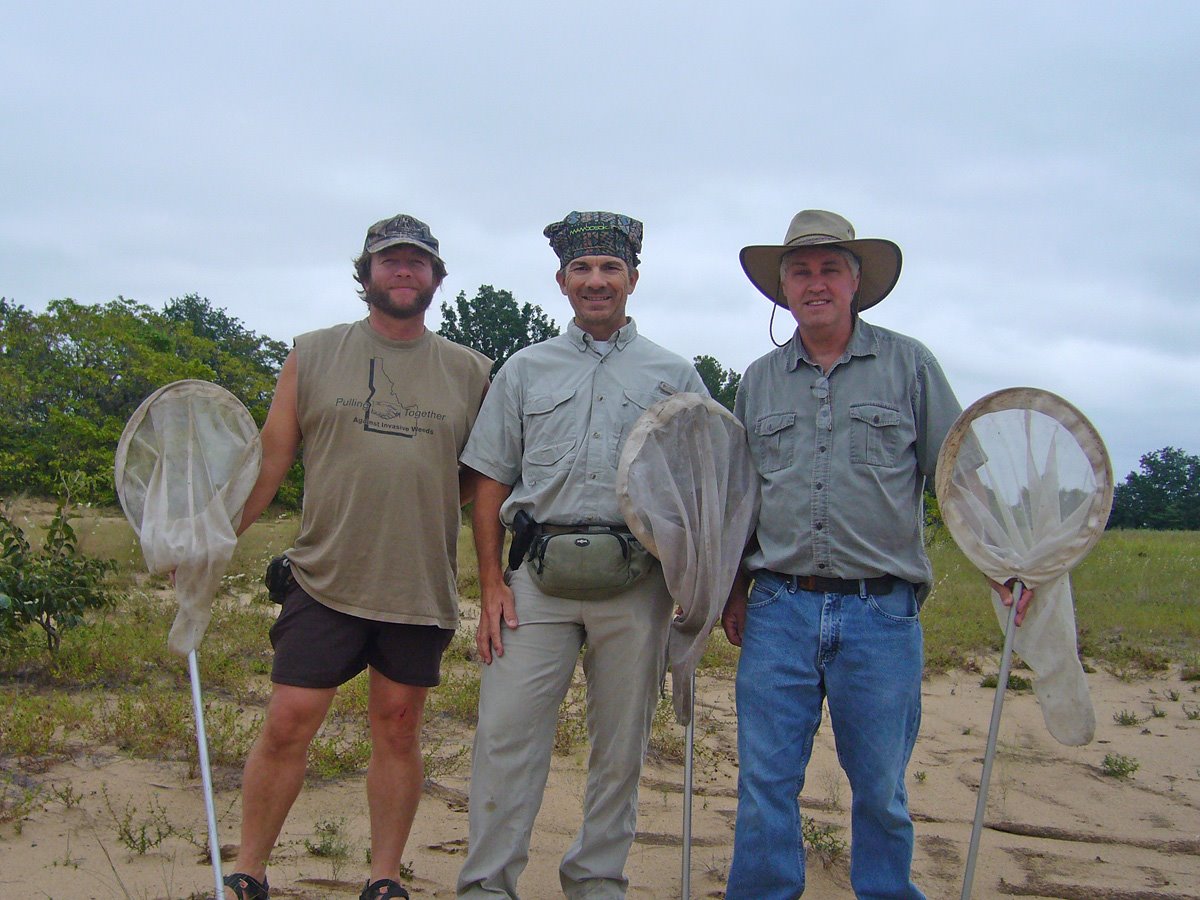
Kent Fothergill, Ted MacRae, and Rich ThomaAfter first becoming acquainted with Missouri’s sand prairies this past summer, I knew a fall trip (or two) would be in order. The extensive deep, dry sand barrens were ideal habitat for sand-loving insects, including certain spring/fall species of tiger beetles that would not be active during the summer months. The cooler nights and crisp air of early fall make insect collecting extraordinarily pleasurable, so it took little effort to convince friends and colleagues Kent and Rich to join me on another excursion to these extraordinary remnant habitats, along with my (then 8 yr-old) daughter Madison (who would likely characterize this as “tallgrass” prairie). Madison MacRae, age 9 (almost)I was, as ever, on the lookout for tiger beetles; however, temperatures were cool, skies were overcast, and the fall season was just beginning, greatly limiting tiger beetle activity during this first fall visit. We did see one Cicindela formosa (big sand tiger beetle), which cooperated fully for a nice series of photographs. We also found single specimens of the annoyingly ubiquitous C. punctulata (punctured tiger beetle) and a curiously out-of-place C. duodecimguttata (12-spotted tiger beetle), which must have flown some distance from the nearest dark, muddy streambank that it surely prefers. Of greatest interest, we found two specimens of C. scutellaris (festive tiger beetle), which in this part of Missouri is represented by a population presenting a curious mix of influences from two different subspecies (more on this in a later post…). Despite the scarcity of tiger beetles, other insects were present in great diversity, some of which I share with you here.

Ululodes macleayanusThis bizarre creature, sitting on the stem of plains snakecotton (Froelichia floridana), is actually a neuropteran insect called an owlfly (family Ascalaphidae). Looking like a cross between a dragonfly and a butterfly due to its overly large eyes and many-veined wings but with long, clubbed antennae, this individual is demonstrating the cryptic resting posture they often assume with the abdomen projecting from the perch and resembling a twig. The divided eyes identify this individual as belonging to the genus Ululodes, and Dr. John D. Oswald (Texas A&M University) has kindly identified the species as U. macleayanus. As is true of many groups of insects, their taxonomy is far from completely understood. Larvae of these basal holometabolans are predaceous, lying on the ground with their large trap-jaws held wide open and often camouflaging themselves with sand and debris while waiting for prey. The slightest contact with the jaws springs them shut, and within a few minutes the prey is paralyzed and can be sucked dry at the larva’s leisure.

Ant lion, possibly in the genus Myrmeleon.Another family of neuropteran insects closely related to owlflies are antlions (family Myrmeleontidae, sometimes misspelled “Myrmeleonidae”). This individual (resting lower down on the very same F. floridana stem) may be in the genus Myrmeleon, but my wanting expertise doesn’t allow a more conclusive identification [edit 4/12/09 – John D. Oswald has identified the species as Myrmeleon immaculatus]. Strictly speaking, the term “antlion” applies to the larval form of the members of this family, all of whom create pits in sandy soils to trap ants and other small insects, thus, it’s occurrence in the sand prairie is not surprising. Larvae lie in wait beneath the sand at the bottom of the pit, flipping sand on the hapless prey to prevent it from escaping until they can impale it with their large, sickle-shaped jaws, inject digestive enzymes that ‘pre-digest’ the prey’s tissues, and suck out the liquifying contents. Finding larvae is not easy – even when pits are located and dug up, the larvae lie motionless and are often covered with a layer of sand that makes them almost impossible to detect. I’ve tried digging up pits several times and have failed as yet to find one. Larvae are also sometimes referred to as “doodlebugs” in reference to the winding, spiralling trails that the larvae leave in the sand while searching for a good trap location – these trails look like someone has doodled in the sand.

Bembix americanaThis digger wasp, Bembix americana (ID confirmed by Matthias Buck), was common on the barren sand exposures, where they dig burrows into the loose sand. Formerly included in the family Sphecidae (containing the better-known “cicada killer”), members of this group are now placed in their own family (Crabronidae). Adult females provision their nest with flies, which they catch and sting to paralyze before dragging it down into the burrow. As is common with the social hymenoptera such as bees and paper wasps, these solitary wasps engage in active parental care by providing greater number of prey as the larva grows. As many as twenty flies might be needed for a single larva. I found the burrows of these wasps at first difficult to distinguish from those created by adults of the tiger beetles I so desired, but eventually learned to distinguish them by their rounder shape and coarser, “pile” rather than “fanned” diggings (see this post for more on this subject).

Stichopogon trifasciatusRobber flies (family Asilidae) are a favorite group of mine (or, at least, as favorite as a non-coleopteran group can be). This small species, Stichopogon trifasciatus (ID confirmed by Herschel Raney), was also common on the barren sandy surface. The specific epithet refers to the three bands of alternating light and dark bands on the abdomen. Many species in this family are broadly distributed but have fairly restrictive ecological requirements, resulting in rather localized occurrences within their distribution. Stichopogon trifasciatus occurs throughout North America and south into the Neotropics wherever barren, sandy or gravely areas near water can be found. Adults are deadly predators, swooping down on spiders, flies and other small insects and “stabbing” them with their stout beak.

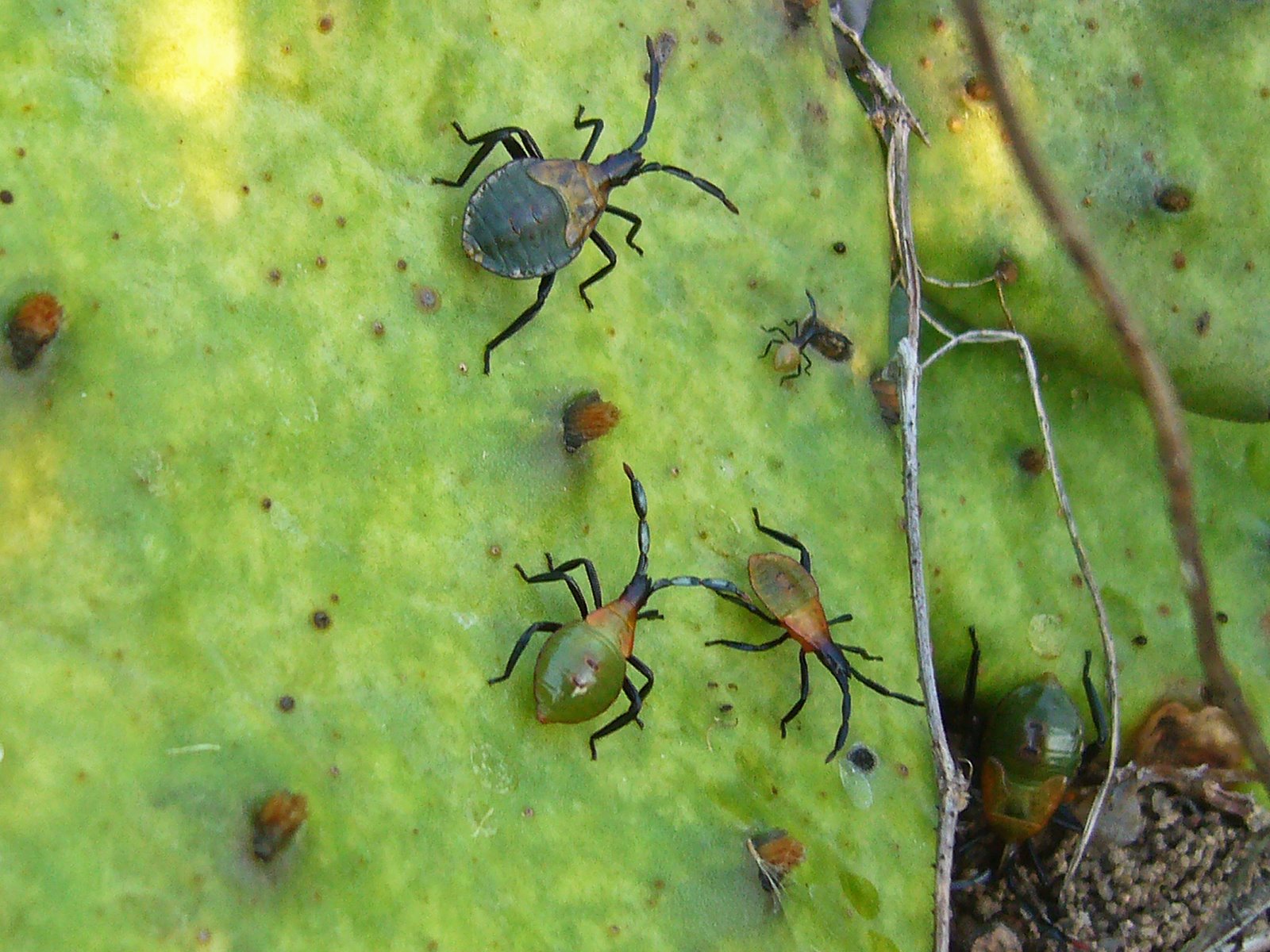
Chelinidea vittigerPrickly pear cactus (Opuntia humifusa) grows abundantly in the sandy soil amongst the clumps of bluestem, and on the pads were these nymphs of Chelinidea vittiger (cactus bug, family Coreidae). This wide-ranging species occurs across the U.S. and southward to northern Mexico wherever prickly pear hosts can be found. This species can either be considered a beneficial or a pest, depending upon perspective. On the one hand, it serves as a minor component in a pest complex that prevents prickly pear from aggressively overtaking rangelands in North America; however, prickly pear is used by ranchers as emergency forage, and fruits and spineless pads are also sometimes harvested for produce. In Missouri, O. humifusa is a non-aggressive component of glades, prairies, and sand and gravel washes, making C. vittiger an interesting member of the states natural diversity.

Ammophila sp., possibly A. proceraThis wasp in the genus Ammophila (perhaps A. procera as suggested by Herschel Raney) was found clinging by its jaws to a bluestem stem in the cool morning, where it presumably spent the night. One of the true sphecid (or “thread-waist”) wasps, A. procera is a widespread and common species in eastern North America. One of the largest members of the genus, its distinctive, bold silver dashes on the thorax distinguish it from most other sympatric congeners. Similar to the habits of most other aculeate wasp groups, this species captures and paralyzes sawfly or lepidopteran caterpillars to serve as food for its developing brood. Females dig burrows and lay eggs on the paralyzed hosts with which the nests have been provisioned. Adults are also found commonly on flowers, presumably to feed on nectar and/or pollen.

Dusty hog-nosed snakeRich is a bit of herpatologist, so when he brought this hog-nosed snake to our attention we all had a good time pestering it to try to get it to turn upside down and play dead. I had never seen a hog-nosed snake before but knew of its habit of rolling over and opening its mouth with its tongue hanging out when disturbed, even flopping right back over when turned rightside up or staying limp when picked up. We succeeded in getting it to emit its foul musky smell, but much to our disappointment it never did play dead, instead using its shovel-shaped snout to dig into the sand. Dusty hog-nosed snake - head closeupWe had assumed this was the common and widespread eastern hog-nosed snake (Heterodon platirhinos); however, in our attempts to turn it over I noticed its black and orange checker patterned belly. I later learned this to be characteristic of the dusky hog-nosed snake (H. nasicus gloydi), only recently discovered in the sand prairies of southeast Missouri and regarded as critically imperiled in the state due to the near complete destruction of such habitats. Disjunct from the main population further west, its continued survival in Missouri depends upon the survival of these small sand prairie remnants in the Southeast Lowlands.

Pickle Springs Natural Area

Pickle Springs Natural Area lies in Ste. Genevieve County, about an hour south of St. Louis. Like Hawn State Park, the geology of this area and its effect on the flora have resulted in a unique collection of geologic features and plants found in few other places. The Lamotte sandstone outcrops that dot the landscape were formed nearly half a billion years ago when sand deposited in an extensive maze of braided river channels was cemented and buried under younger layers of limestone and dolomite formed from deposits on the floors of ancient seas that covered the interior of the continent. Later, the periods of uplift that created the St. Francois Mountains and resulting erosion of overlying strata once again exposed the sandstones at the surface. Millions of years of water, ice, rain, wind, and plants have further shaped the exposed sandstones, creating fanstastic shapes and formations and cool, deep canyons. The weathered sandstone created acid soils which support many unique plants. During the ice ages, northern plants and animals moved into the area ahead of the advancing glaciers. Mammoths roamed the landscape grazing on the northern vegetation supported by the area’s acid soils. Eventually the ice retreated, and so did the mammoths. But many of the plants remained – able to hang on in the cool, moist canyons long after the mammoths that once roamed these canyons disappeared. Because of this unique concentration of rare plants and geologic features, the area has been designated a Missouri Natural Area and a National Natural Landmark.

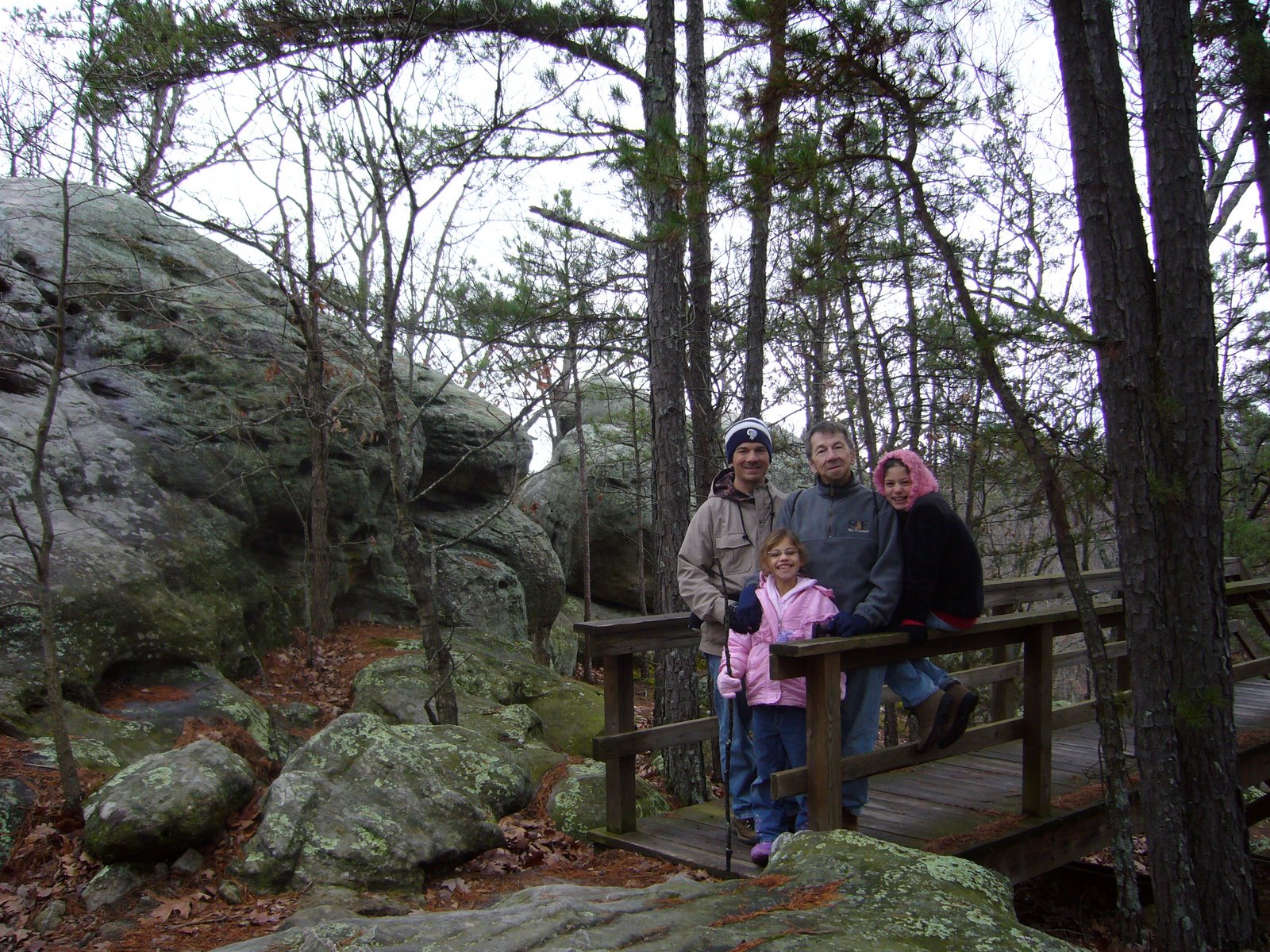
Yesterday I hiked the aptly-named ‘Trail Through Time’ with my family. This 2-mile trail is one of the most “feature-packed” trails in the state, with something to look at around almost every bend. Almost immediately the trail leads to the Slot, the result of a vertical fracture in the Lamotte sandstone that was loosened by leaching and then widened by erosion. The unique partridge berry (Mitchella repens) was seen on the moist, vertical walls of the rock, growing among strange holes, pockets, and ridges that formed as a result of the sand grains being variably cemented.


A short distance from The Slot lie Cauliflower Rocks – large moundlike formations (also called hoodoos or rock pillars) formed from jointed or fractured sandstone that undergoes deep solutional weathering followed by erosion and weather-mediated shaping. Hoodoos occur primarily in this type of rock due to its granular, variably cemented and cross-bedded matrix.


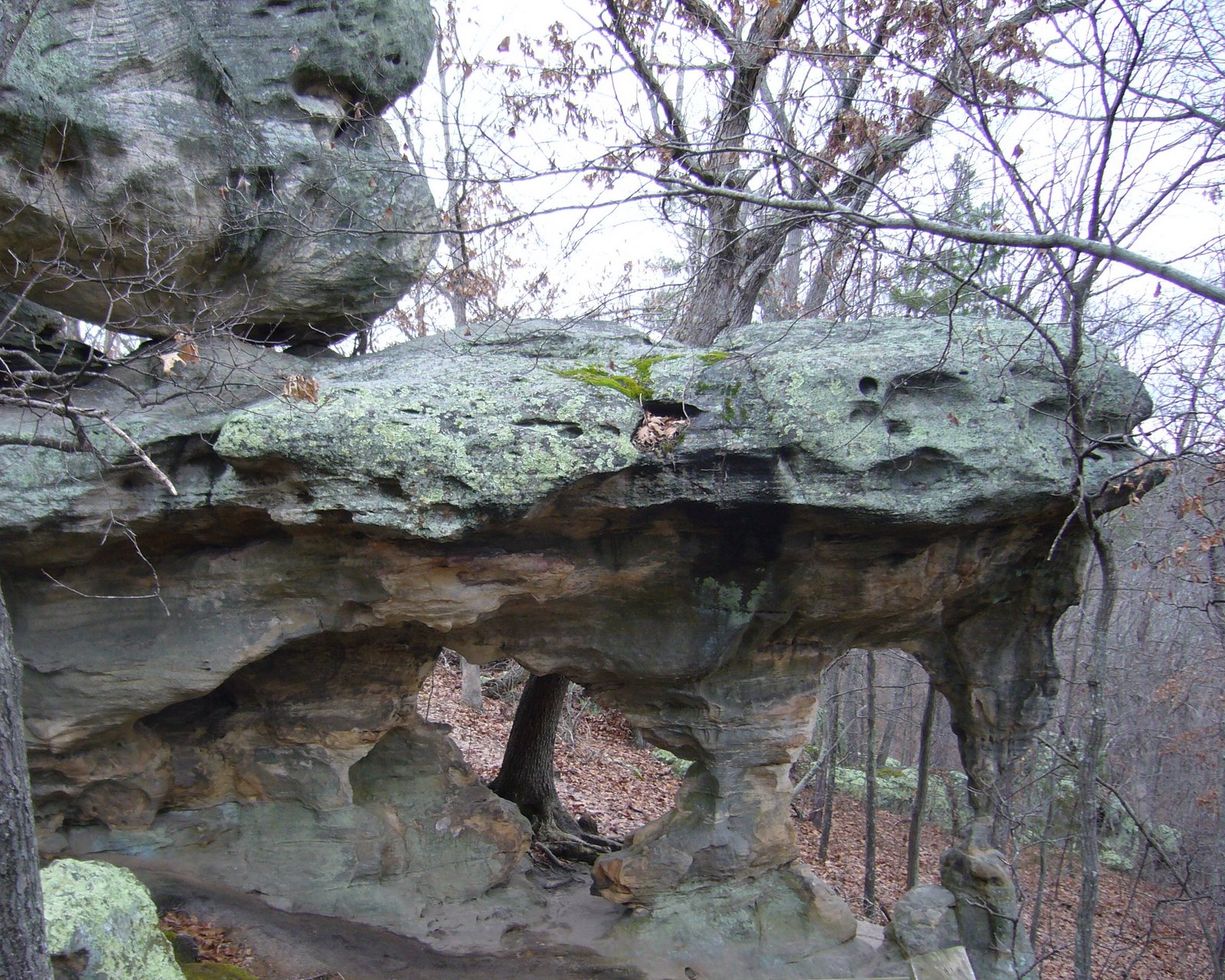
On the south side of Cauliflower Rocks lies a special type of buttress arch called Double Arch. It occurs at almost a right angle to the adjacent rock outrcrops, suggesting formation along a set of fractures running perpendicular to the main fracture trend of the area, but the precise details of its formation remain a mystery.


After leaving Cauliflower Rocks the trail descends steeply into a deep valley, at the bottom of which lies Pickle Creek just below its origin in a box canyon south of the Natural Area. Lush vegetation in this cool, moist valley contrasts with the stark rocks seen earlier.


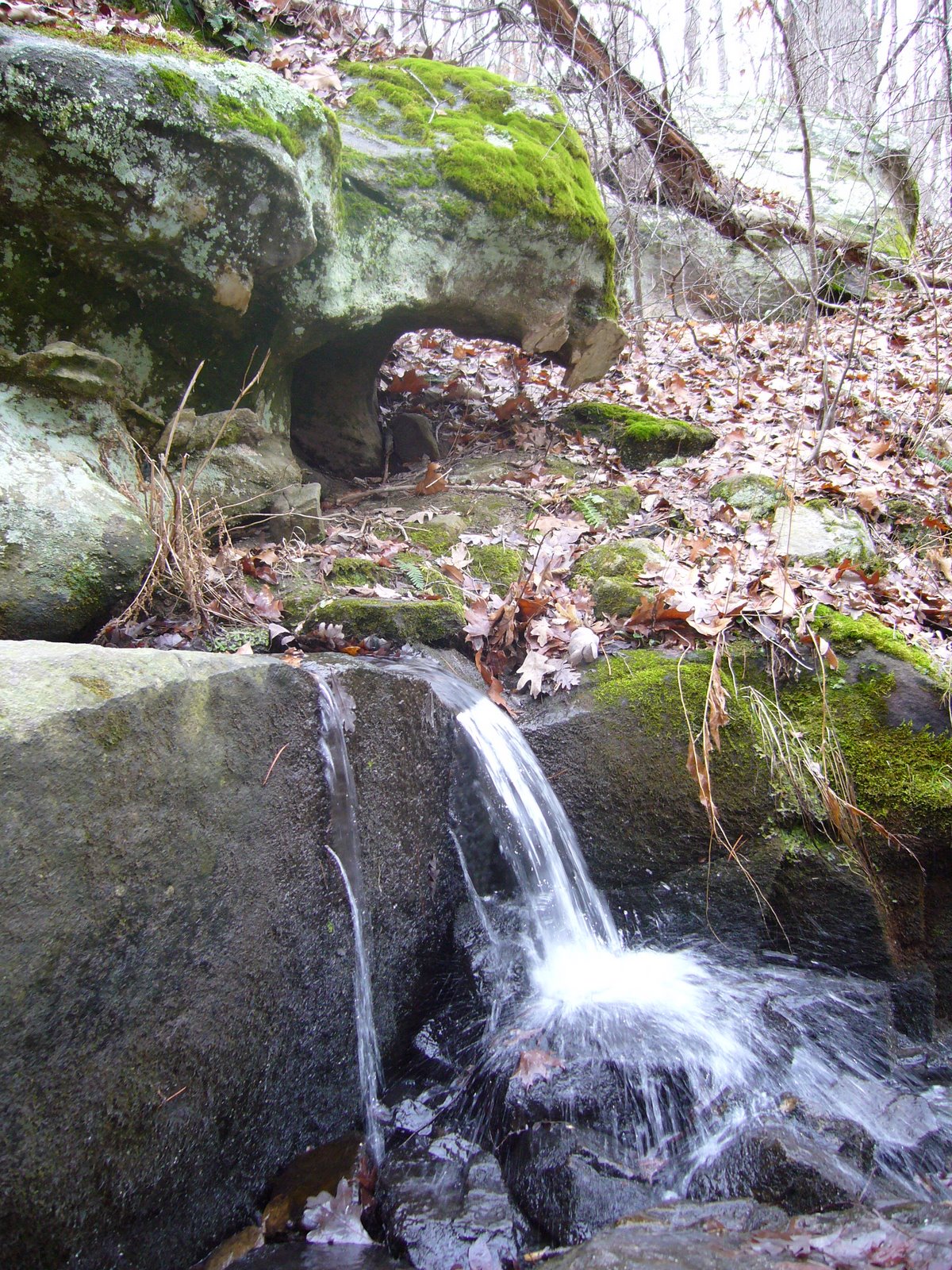
The creek is fed by a series of seeps, allowing the valley to remain moist even during the dry summer months, and along with the acid soils support a unique plant community. Lush colonies of ferns (I believe this is Polypodium virginianum L.) covered the rocks adjacent to the creek…


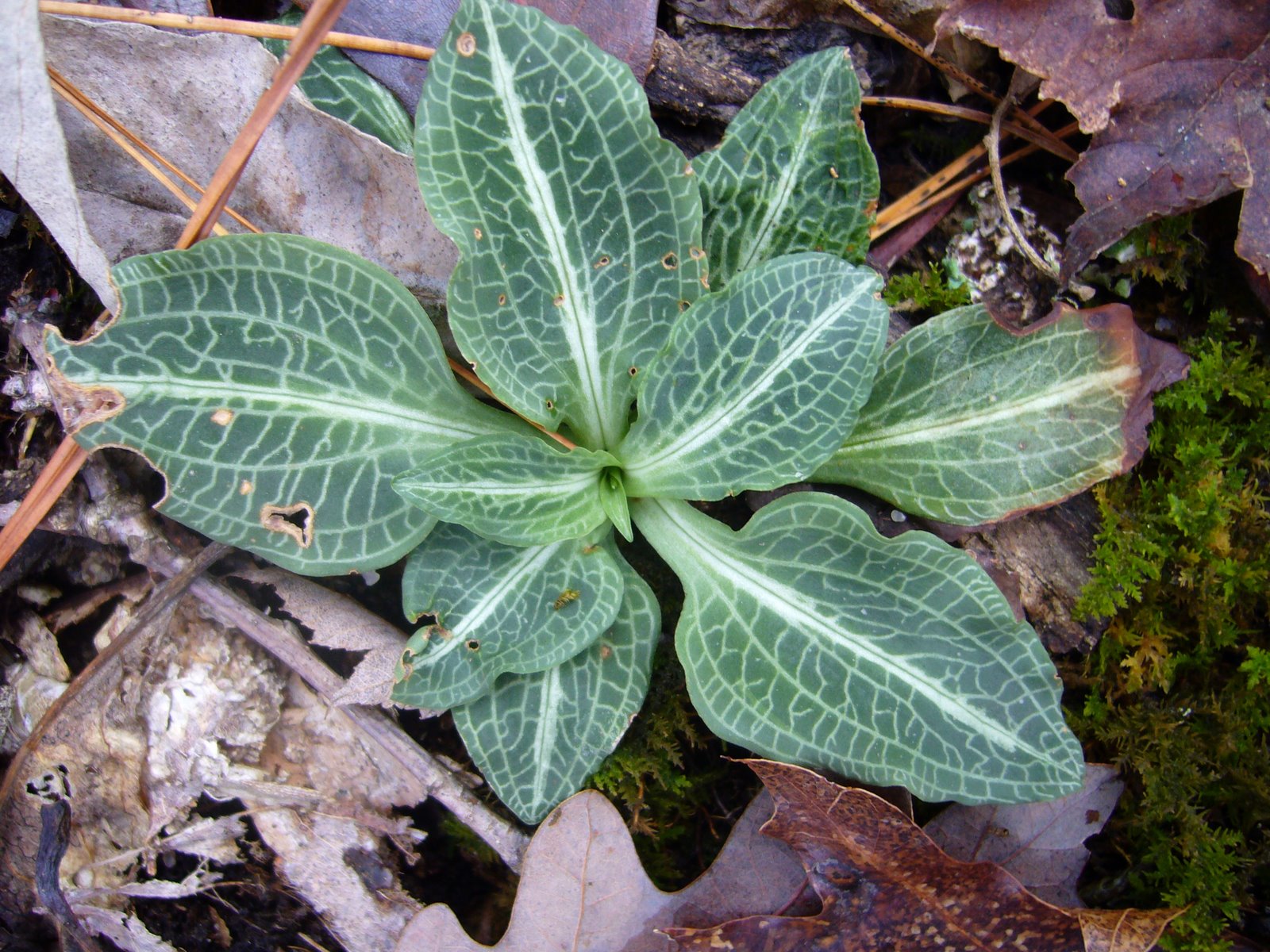
…while this rattlesnake plantain orchid (Goodyera pubescens) was seen in a colony growing at the base of a black oak tree (Quercus velutina) just above the creek.


Mosses and lichens were also abundant in the valley. This little hair cap moss (Polytrichum sp.) with its distinctive fruiting structures was growing in a colony at the base of another black oak tree. The members of this genus prefer acidic environments.


Further ahead, along Bone Creek, several colonies of wooly aphids (family Aphididae) were seen on the branches of a small hop hornbeam tree (Ostrya virginiana).


The highlight of the hike had to be in Spirit Canyon at Owl’s Den Bluff. The horizontal layers of sandstone, each deposited on the steep downstream slopes of sandbars, are clearly visible in the towering bluff face. At the bottom lie bluff shelters – formed where lower sandstone layers collapse due to weathering or leaching, and where native Americans almost surely camped out. The sun never reaches parts of these shelters, providing ideal conditions for a variety of mosses and liverworts – many of which are known only from this area. Fallen boulders and collapsed portions of the bluff face provided photo opps for the daring…


…and good exploring for the nimble.


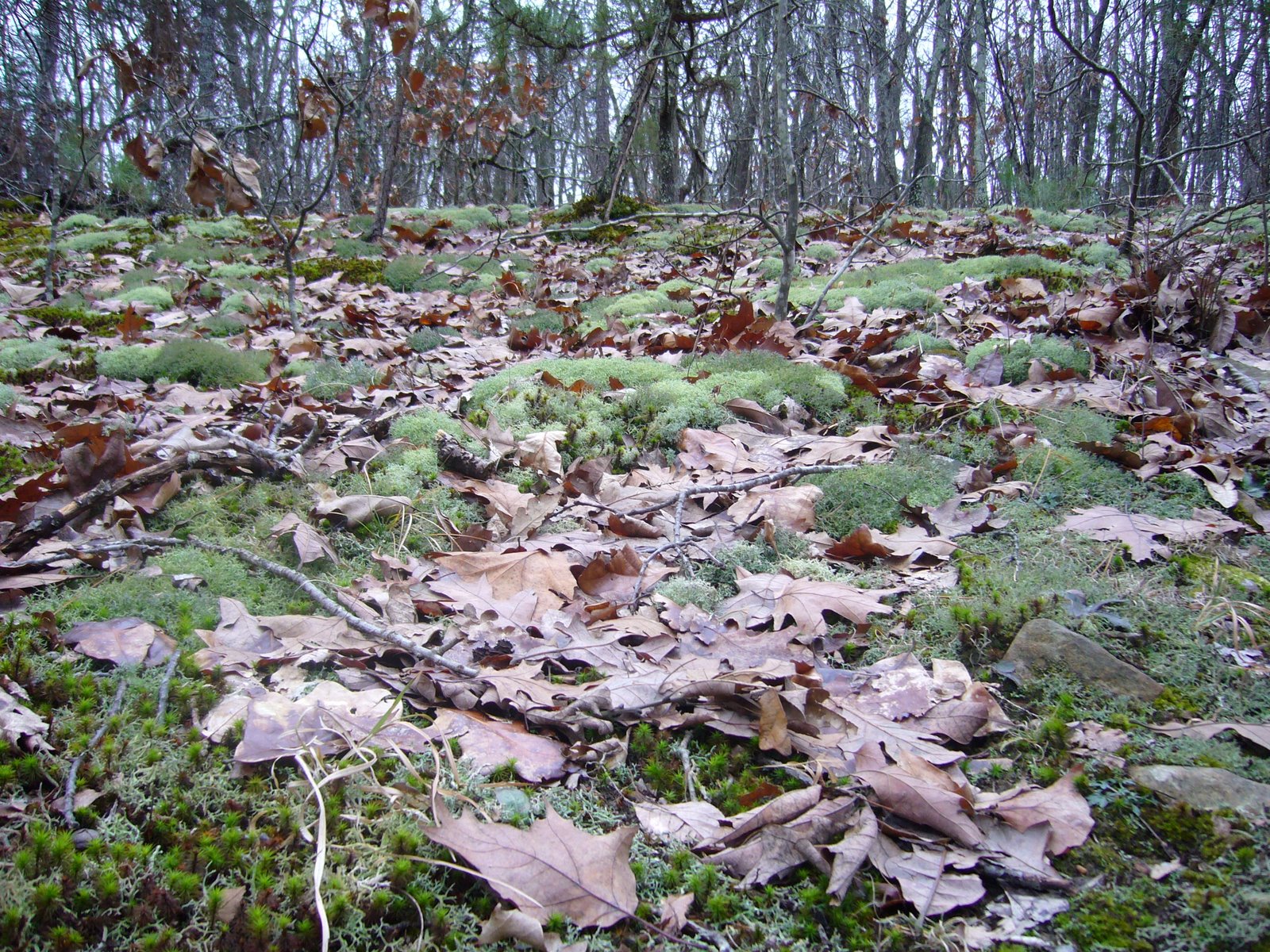
By now, the trail has passed the halfway point and is looping back to the west, where it ascends to Dome Rock Overlook. Along the way, a fascinating variety of lichens, including reindeer lichen, covers the forest floor where they are supported by the acid soils.


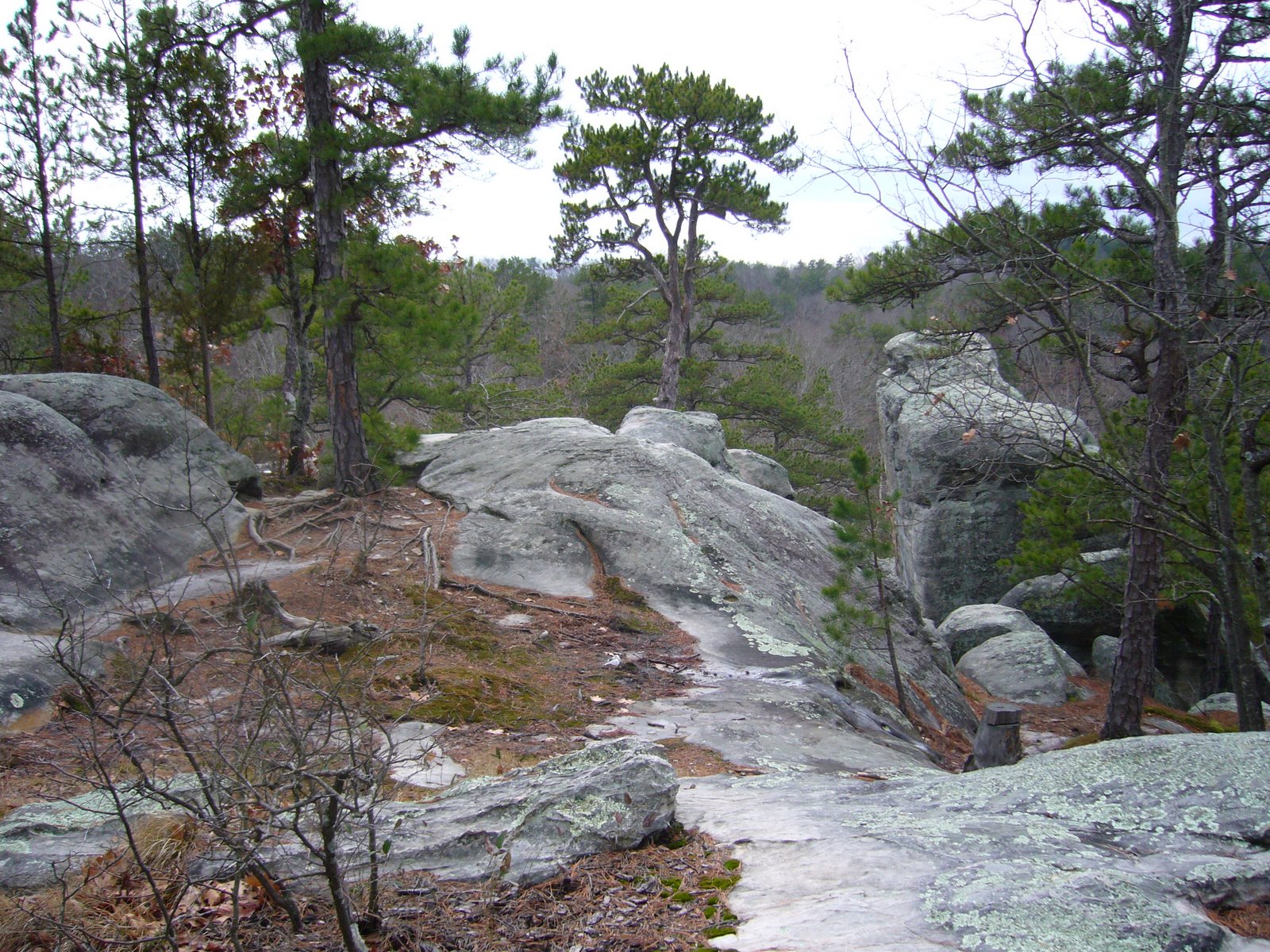
Dome Rock Overlook is a the largest hoodoo complex in the Natural Area. The thin soils and exposed conditions create a harsh, dry, windswept environment that only the hardiest of plants can withstand. Only a few small blackjack oaks (Quercus marilandica), shortleaf pines (Pinus echinata), and farkleberry (Vaccinium arboreum) survive here. Despite their small size, some of the trees growing here are at least 150 years old.


The trail descends from Dome Rock Overlook and passes underneath, providing spectacular views of the sheer rock face below the overlook. The trail completes its descent back into Pickle Creek Valley, where Pickle Spring can be seen. This small, permanent spring – an unusual feature in sandstone where seeps are more common – was an important source of water for early settlers.


Further along the trail lies one of the areas most unusual features – Rockpile Canyon – formed some 50 years ago (a fraction of a second in geologic time) when part of a sandstone bluff collapsed in a rumble, leaving behind a sheer bluff face and a jumbled pile of large boulders. A short spur in the trail leads to the head of a small box canyon, where some of the 20+ ice age relict plant species can be seen growing in the acid soils and cool, moist canyon walls.

Near the end of the loop lies Piney Glade, an area where the exposed sandstone bedrock once again creates a dry, harsh environment. Poverty grass and little bluestem grow in small, shallow pockets of soil scattered amongst stunted shortleaf pines and blackjack oaks – creating a small prairie surrounded by a sea of forest. All three forms of lichens can be found on the rocks and soils of the glade – the aptly named crustose lichens cling tightly to rock surfaces amongst foliose (leafy) and fruticose (branched) lichens.