Spring is still a long way off but it’s times like these that I draw on past experiences so I can continue to be thrilled by insect natural history even during the coldest of months. In this case I am thinking back seven years ago to my first encounter with a warty leaf beetle. These beetles are certainly unremarkable for their size or coloration but the “set-up” shot below attempts to illustrate what is amazing about warty leaf beetles. Can you pick out the single individual warty leaf beetle (Exema sp.) among caterpillar frass (aka caterpillar poop)?

Figure 1. Set-up shot with Exema sp. and caterpillar frass
If you had trouble finding the beetle in the above image then check out the next image and you’ll see the beetle has “sprouted” a head, legs, and antennae.

Figure 2. Set-up shot with Exema sp. and caterpillar frass
I don’t know what caught my eye the first time I encountered a warty leaf beetle on the foliage of a small shingle oak while exploring a woodland edge in Perry Co., MO. It probably helped that it was one of the larger species of the genus Neochlamisus but it still only measured about 3-4 mm. One thing I do remember about the encounter, though, is that there was something about it that made me do a double take. My first thought was exactly what the beetle might have hoped, that it was caterpillar frass. But this frass had legs (Figs. 3 and 4)! I was at first incredulous but soon became enthralled as I beheld something that I had never noted while flipping through field guides. I had once again stumbled across something that I would never have imagined—a beetle that mimics caterpillar poop!
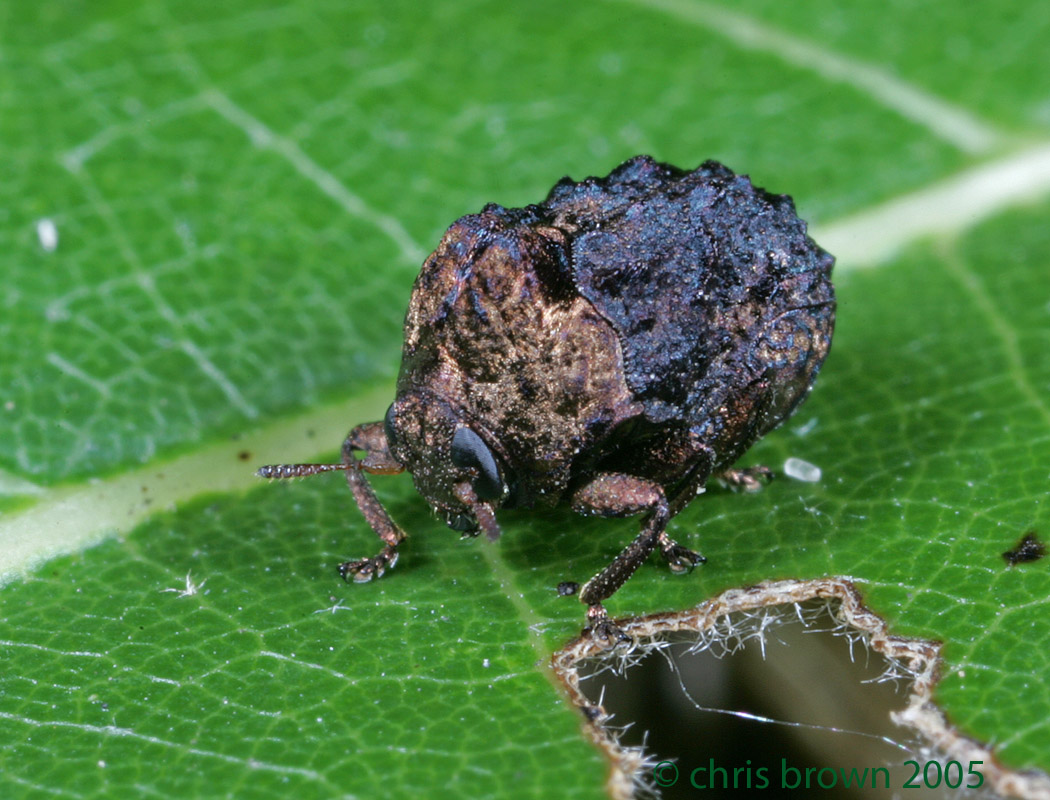
Figure 3. Neochlamisus sp. on shingle oak

Figure 4. Neochlamisus from the perspective of a short distance away
The beetles in the tribe Chlamasini were apparently not at the table the day decisions were made on what model they would mimic. These guys at best mimic small bits of debris but are dead ringers for the frass of lepidopteran larvae (i.e., caterpillars). Then as if to add insult to injury, we dubbed the tribe the warty leaf beetles! The Chlamasini may humbly mimic excreta but what they lack in a flashy model they make up for with absolutely superb mimicry. The Chlamasini are remarkably similar to the frass of lepidopteran larvae in size, shape, texture, and color but the aspect that really completes the mimicry is that, upon disturbance, the head is retracted and the legs and antennae are neatly folded into precisely matched grooves leaving no indication that this was once a beetle (Figs. 5 and 6). Even the finer details of coloration were not overlooked as some warty leaf beetle species are variably colored, including an almost metallic sheen in some places that closely resembles the coloration of some caterpillar frass. In fact the mimicry of warty leaf beetles is so convincing that I recently dropped a piece of suspect frass in a vial in hopes that it might sprout legs and represent a new species of warty leaf beetle for me.
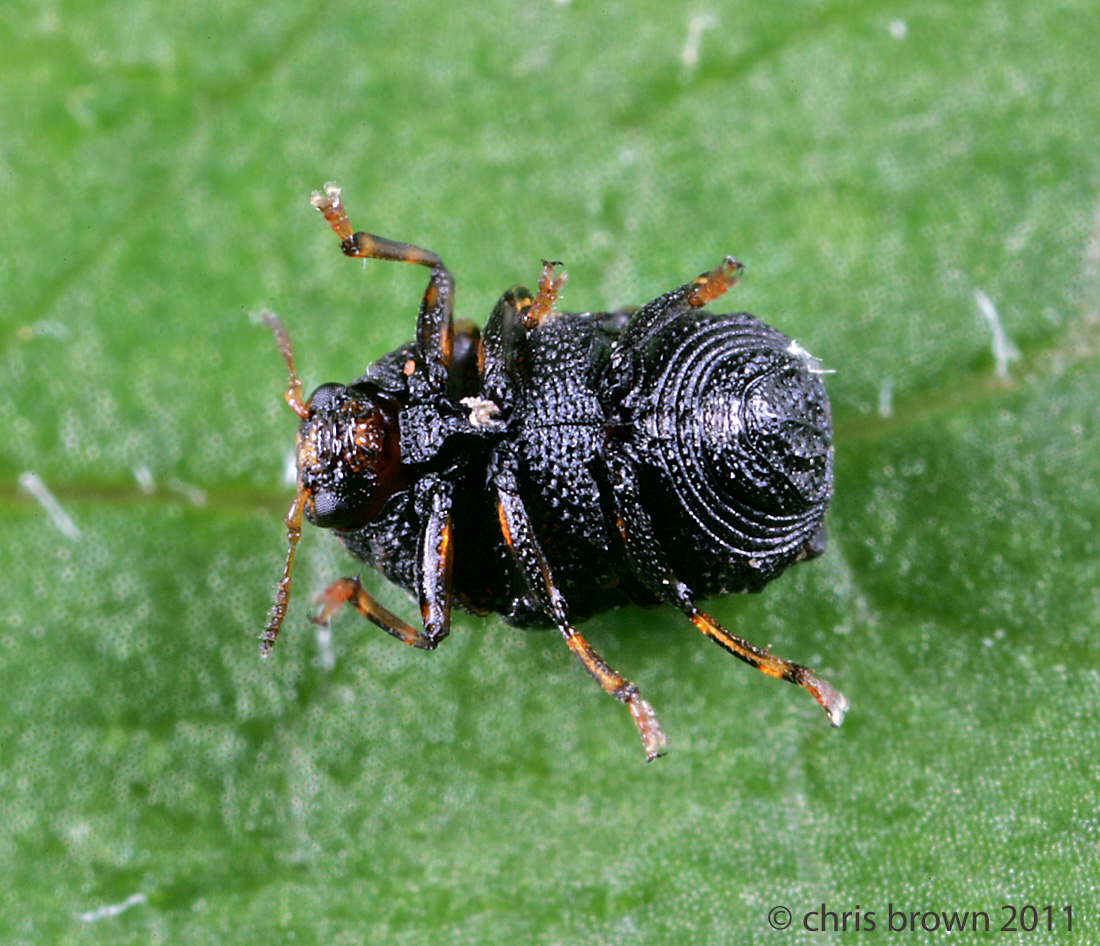
Figure 5. Exema sp. with appendages extended

Figure 6. Exema sp. with appendages retracted
If the disturbance is sufficient to cause the beetle to completely retract these appendages, they will likely roll off the leaf and fall out of harms way. Though these beetles can be relatively common, occurring even in my suburban St. Louis yard, the small size [Exema is only 2-3 mm (Figs. 7 and 8) while Neochlamisus is slightly larger at 3-4 mm] and resemblance to something unremarkable ensures that these beetles often times go unnoticed. When I have happened to notice these beetles I found Neochlamisus associated with shingle oak, Quercus imbricaria, and Exema associated with Asteraceae, including gray-headed coneflower, Ratibida pinnata, and sweet coneflower, Rudbeckia subtomentosa.

Figure 7. Exema sp. on sweet coneflower, Rudbeckia subtomentosa
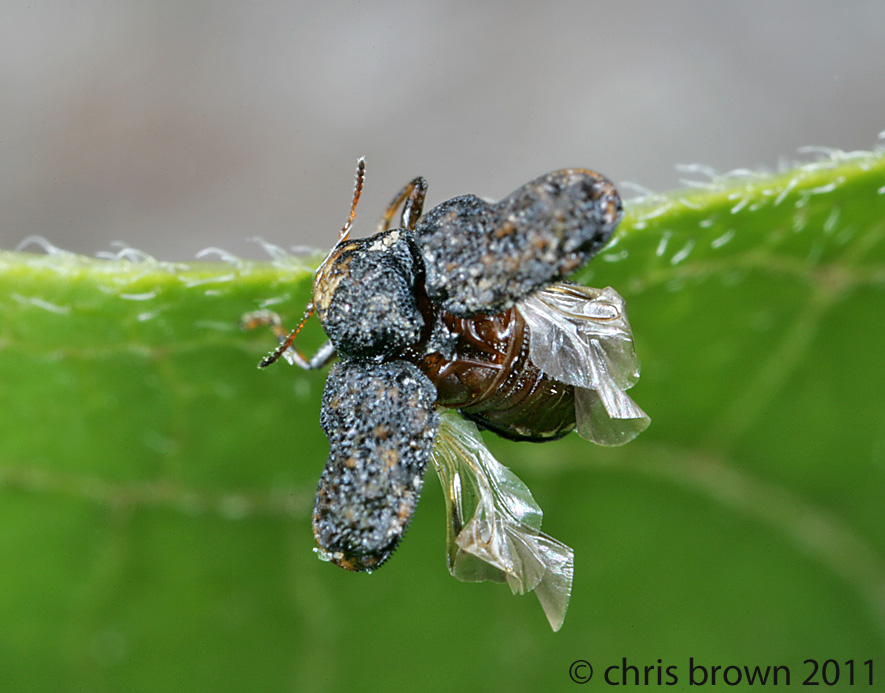
Figure 8. Exema sp. ready for flight
The Chlamasini are in the subfamily Cryptocephalinae within the leaf beetle family (Chrysomelidae). The Chlamisini can be found worldwide but are most diverse in the Neotropics. We have 6 genera in North America, two of which are shown here. Interestingly, the excreta theme doesn’t stop at frass-mimicry. Like other members of Crytocephalinae, warty leaf beetle larvae are “case-bearing”; that is they are housed in a case which in this instance is made out of… you guessed it, their own feces (Fig. 9). You would think that most moms would frown on such a practices but mothers in the Cryptocephalinae actually instigate the practice when they equip each egg laid with a cap of feces that serves as starting material for the case and likely also serves to dissuade would be predators.

Figure 9. Chlamasini larva, likely that of Exema sp. on sweet coneflower, Rudbeckia subtomentosa
My experiences with Neoclamisus seven years ago captures perfectly why I am so drawn to explore for insects— there is always something new to find and every once in a while something comes out of the wood work that is beyond what I could have imagined.
REFERENCE:
Lourdes Chamorro-Lacayo, M. & A. Konstantinov. 2009. Synopsis of warty leaf beetle genera of the world (Coleoptera, Chrysomelidae, Cryptocephalinae, Chlamisini). ZooKeys 8:63–88.
Copyright © Chris Brown 2012
 Beetles In The Bush