What’s bugging you?

It’s not often that I use this forum to write about other blogs. There are so many to choose from – good ones – that it’s hard to know where to start.  Besides, I’d rather use the limited time I have to write doing so about bugs. Given this, it might seem remarkable that I’m going to write about a blog that – as of now – has only three postings. The writer of this new blog, however, is no ordinary writer, and I expect his blog will prove to be no ordinary blog.

Dr. Arthur V. Evans hardly needs introduction in the world of entomology. His prowess as a collector of insects – especially Scarabaeidae – is legendary, but it is his talent for writing that has earned him his true renown.  While his list of research papers is impressive enough, his books are what set him apart from the rest of us.  Blending depth of knowledge with humor and a passion for his subject, Dr. Evans’ books have been equally embraced by professional entomologists and the general public alike.  His field guides (Field Guide to Beetles of California, Field Guide to Insects of North America, and Introduction to California Beetles) have helped to introduce the fabulous world of insects to nature lovers across the country, and the breathtakingly beautiful An Inordinate Fondness for Beetles (coauthored with my friend and colleague, Dr. Charles L. Bellamy) has become a staple on coffee tables around the world.  His latest book, What’s Bugging You?, is a charming collection of essays that have appeared over the years as a column in the Richmond Times-Dispatch.  It is also the name of his new blog, and this excerpt from its very first post suggests it will live up to the reputation of its author:

As I bent down to inspect the corpse a panicked wave of blow flies buzzed up past my face. Their tiny wings churned the air to propel their brassy green bodies out of harm’s way. But within minutes they were back. For scavengers like blow flies, life is short and the aroma of decaying flesh promising food, mates, and egg laying sites is just too much to ignore.

Dr. Evans is an artist, and words are his palette.

If you like insects, you will love What’s Bugging You? Check it out, bookmark it, and be prepared to enjoy what results when love of insects meets truly gifted writing.

Copyright © Ted C. MacRae 2009

Add to FacebookAdd to NewsvineAdd to DiggAdd to Del.icio.usAdd to StumbleuponAdd to RedditAdd to BlinklistAdd to Ma.gnoliaAdd to TechnoratiAdd to Furl

Welcome new insect/invertebrate enthusiasts

Some of you may have noticed my greatly expanded (and categorized) sidebar links listings.  I’d like to welcome the following insect & invertebrate-focused sites, all of which offer unique perspectives on the fascinatingly diverse world of spineless creatures.  Rather than write my own descriptions, I’ve decided to let the authors say it in their own words by using the descriptions they submitted to Nature Blog Network.  I hope my readers will take the opportunity to visit each of these sites and explore their offerings.  I also hope my new blogroll members will take the opportunity to visit the sites that have long been listed here, not just those under “Insects & Invertebrates” but in other categories as well.  Their listings may have never been formally acknowledged, but they are well-deserved nonetheless.

A Bug’s Eye View. The seen and unseen beauty of the Earth at our feet.

Amphidrome. An aspiring researcher’s musings on freshwater ecology, biogeography, invasion biology, and phylogenetics — plus monstrous waterfall-climbing shrimp.

Backyard Arthropod Project. Documenting just the arthropods I can find on our property (a 9-acre parcel in Michigan’s Upper Peninsula, with a somewhat drafty old farm house). This restriction does not limit the number of subjects nearly as much as one might think.

Butterflies of Singapore. Photo blog on nature and entophiles macro entophiles photography. Borneo in pictures. Photo of interesting places and landmark in Sabah and Sarawak. Photo of exotic and rare Borneo wildlife and plants.

Larval Images. Images (and often discussion & latest science) of larval forms. No politics and no direct developers here.

Moth Mania. This blog is solely about moth sightings in Singapore.

Nature’s Place. The place of nature in the spiritual life, using essay and photographs to illustrate, inform, engage and entertain.

Urban Dragon Hunters. The search to document dragonflies, damselflies, and other insects in urban areas and around the world.

RWS Photo Blog. Celebrating Nature’s Flying Jewels – Butterflies. Useful information on butterfly photography, early stages, conservation and biodiversity in Singapore and the region.

The observant among you will also note the new “Evolution & Systematics” category, where long time stalwarts Catalogue of Organisms and Evolving Complexity are joined by new blogroll members Afarensis, Greg Laden’s Blog, John Hawks Weblog and Pharyngula (to indulge my armchair systematic, evolutionary and paleoanthropological  interests), and Voyages Around My Camera joins my list of esteemed nature/insect photographers as well.

Top Ten of 2008

For the first post of 2009, I begin with a look back at some of my favorite photos from 2008 (idea stolen from Alex Wild and others).  I initially hesitated to do a “best photos” post since I’m not really a photographer – just an entomologist with a camera.  Nevertheless, and with that caveat in mind, I offer ten photos that represent some of my favorites from this past year. To force some diversity in my picks, I’ve created “winning” categories (otherwise you might just see ten tiger beetles!). Click on the photos to see larger versions, and feel free to vote for your favorite. If so, what did you like about it? Was there a photo I didn’t pick that you liked better?  Enjoy!

Best tiger beetle

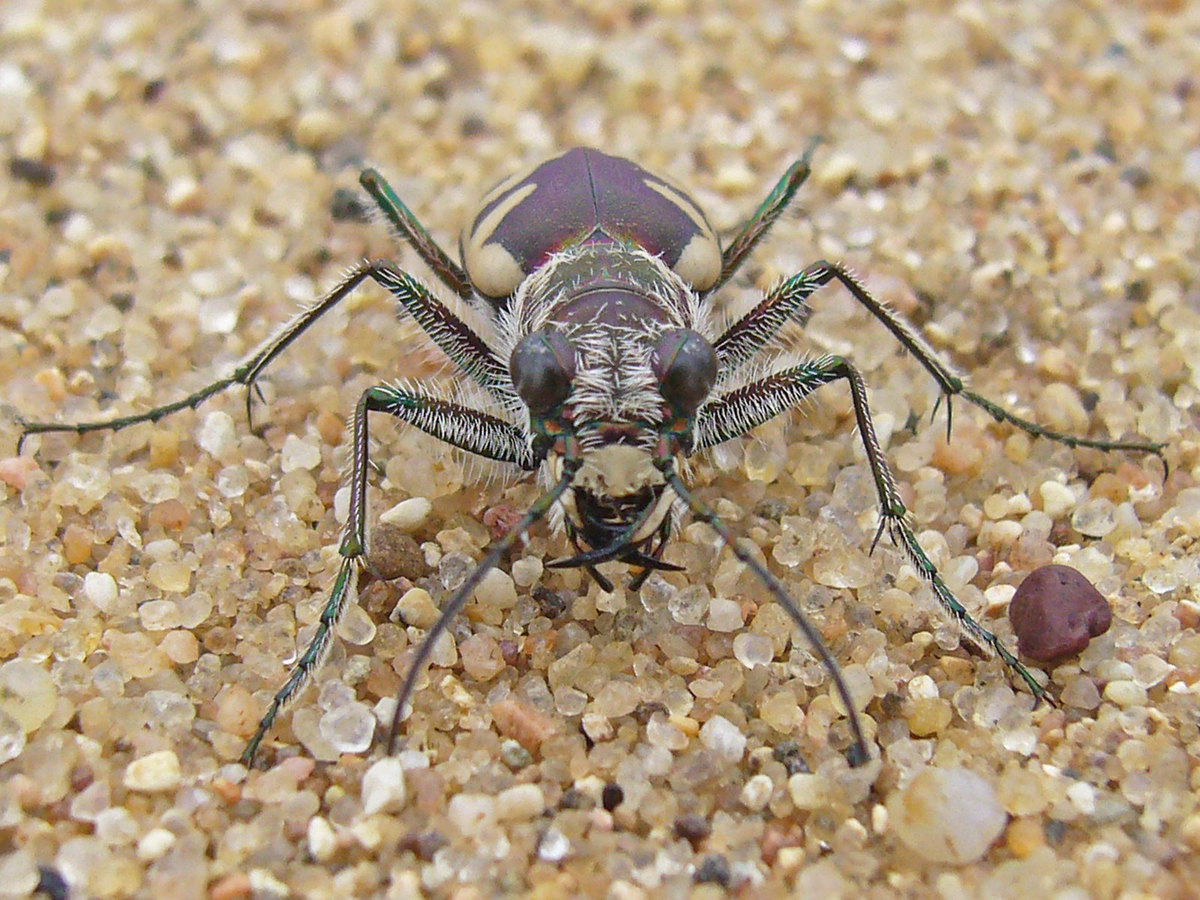
Cicindela formosa generosa

From “All the better to see you with, my dear!” (September 2008).  Picking a top tiger beetle photo was tough with so many to choose from.  Ultimately, I decided I really like these face-on shots, and of the several I’ve posted this one of Cicindela formosa generosa has the overall best composition, balance and symmetry.  I considered this one of Cicindela formosa formosa – with its half-cocked jaws, it probably has better personality.  However, the one above got the final nod because it is a true field shot of an unconfined, unmanipulated individual.

Best jewel beetle
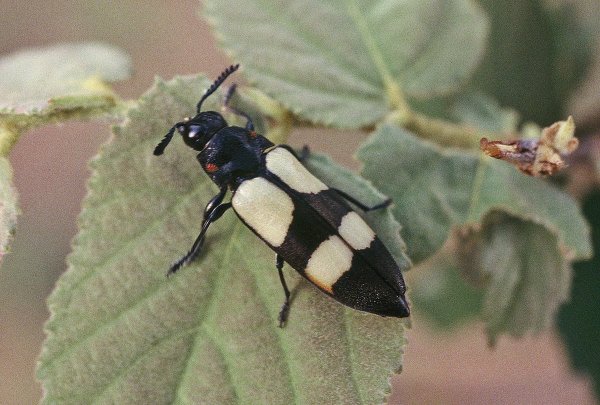
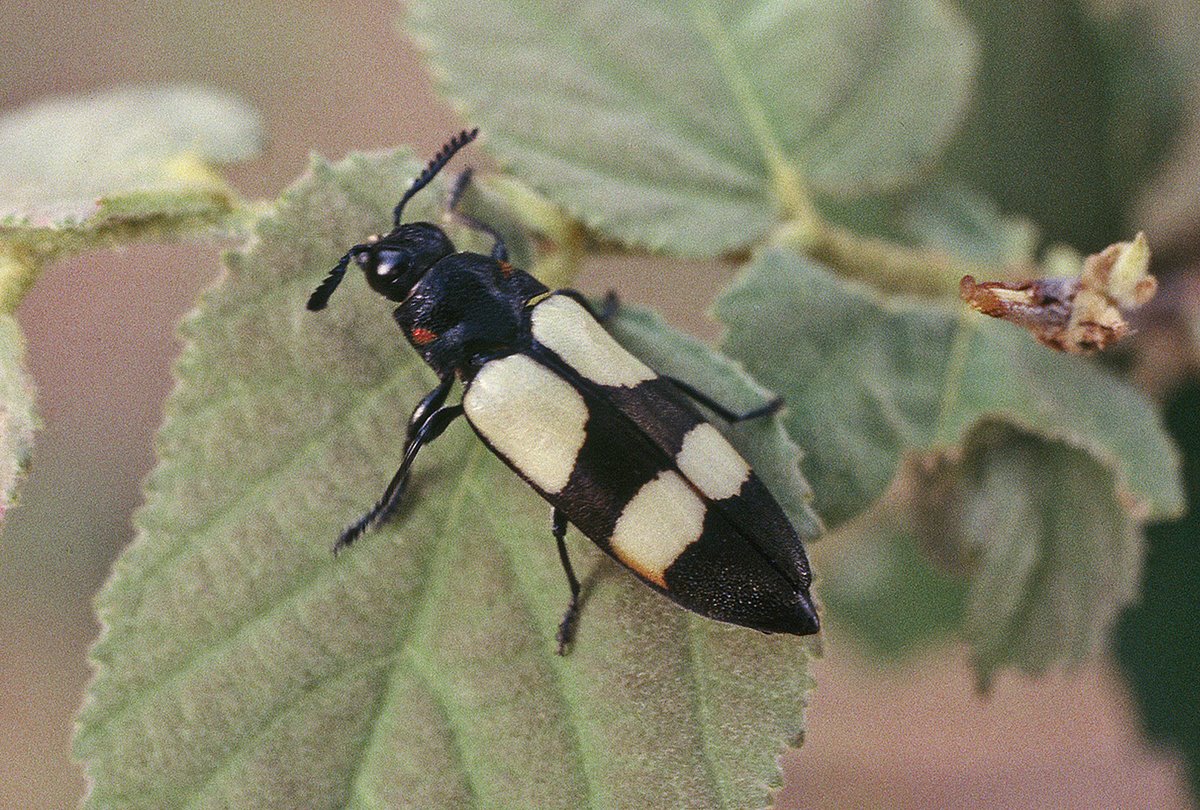
Aegelia petelii

From Buppies in the bush(veld) (December 2008).  Although taken back in 1999, I just recently scanned and posted this photo of Agelia petelii from South Africa.  I like the bold, contrasting colors of the beetle combined with the soft colors of the host foliage.  Runners up included these photos of Evides pubiventris with its sumptuous iridescent green blending beautifully with the green background (but suffering slightly from shallow depth of field) and Chrysobothris femorata with its intricate surface sculpturing.

Best longhorned beetle
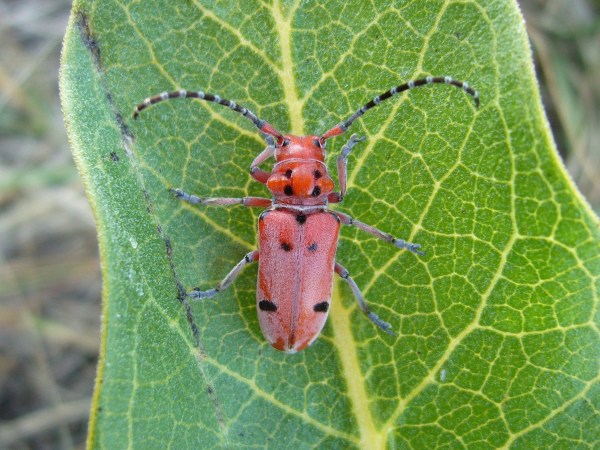
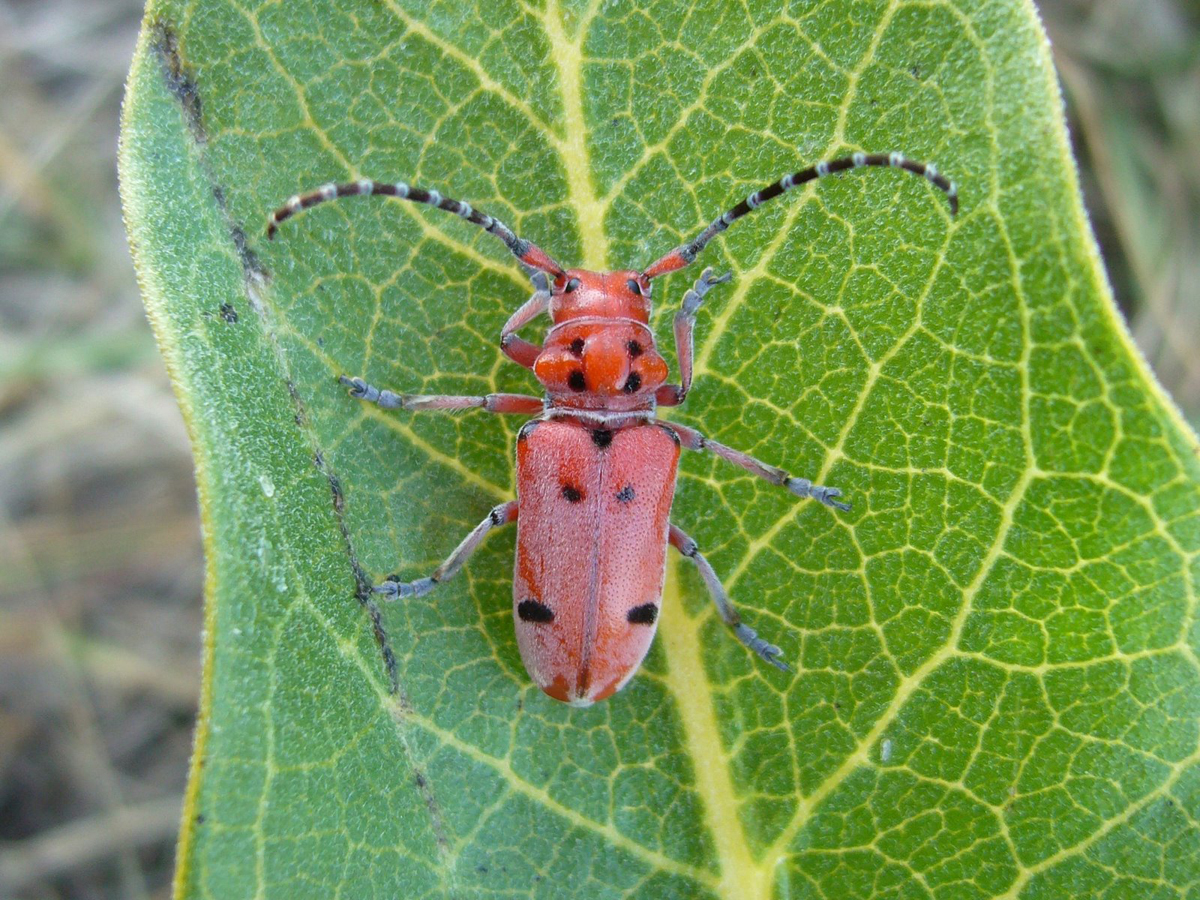
Tetraopes femoratus

From Rattled in the Black Hills (September 2008).  This was an easy choice – none of the other longhorned beetle photos that I posted during 2008 matched this photo of Tetraopes femoratus for clarity, composition, and the striking contrast between the red color of the beetle and the green color of the host plant.  I especially like the detailing of the body pubescence.

Best non-beetle insect

Proctacanthus milbertii

From Magnificently Monstrous Muscomorphs (November 2008).  I do like other insect besides beetles, and robber flies are hard to beat for their charisma.  This photo of Proctacanthus milbertii (which, as Chris Taylor pointed out, literally translates to “Milbert’s spiny butt”), has great composition and nice, complimentary colors.  I like contrast between the fine detail of the fly and the soft background.

Best non-insect arthropod

Argiope aurantia

From Happy Halloween! (October 2008). I didn’t have many non-insect arthropod photos to choose from, but this photo of a female Argiope aurantia (yellow garden spider) would be deserving of recognition no matter how many I had to choose from. I like the bold, contrasting colors and symmetry of the spider in front of the dappled background of this photo.

Best non-arthropod animal

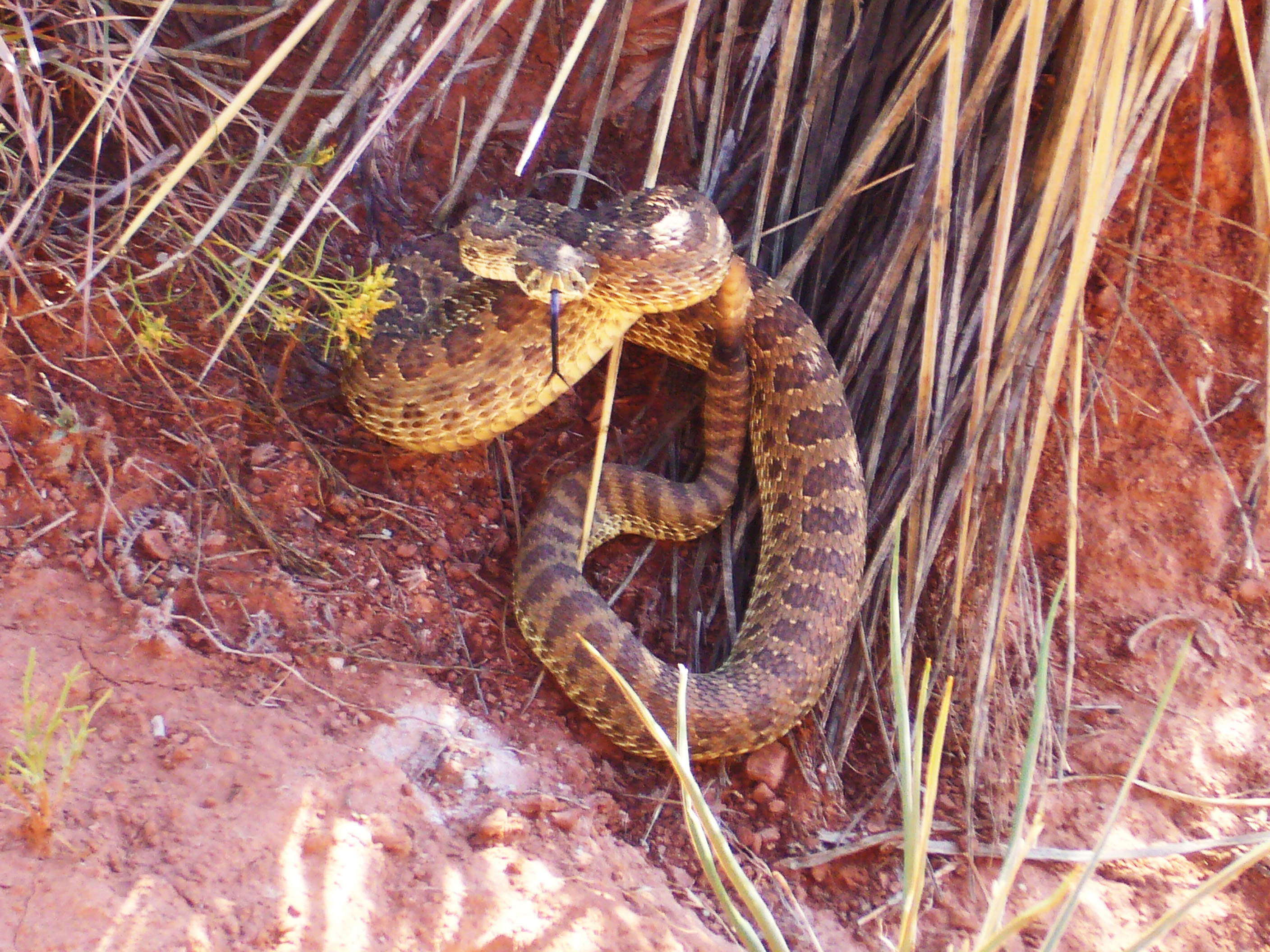
Prairie rattlesnake (Crotolus viridis)

Another one from Rattled in the Black Hills (September 2008).  This is admittedly not the best photo from a purely technical perspective – it’s a little out of focus, and the color is a bit off.  However, no photo could better convey the moment – confronted with a live, angry prairie rattlesnake (Crotalus viridis) (among the more aggressive species in the genus).  The forked tongue and rattle – blurred in motion – were icing on the cake.

Best wildflower
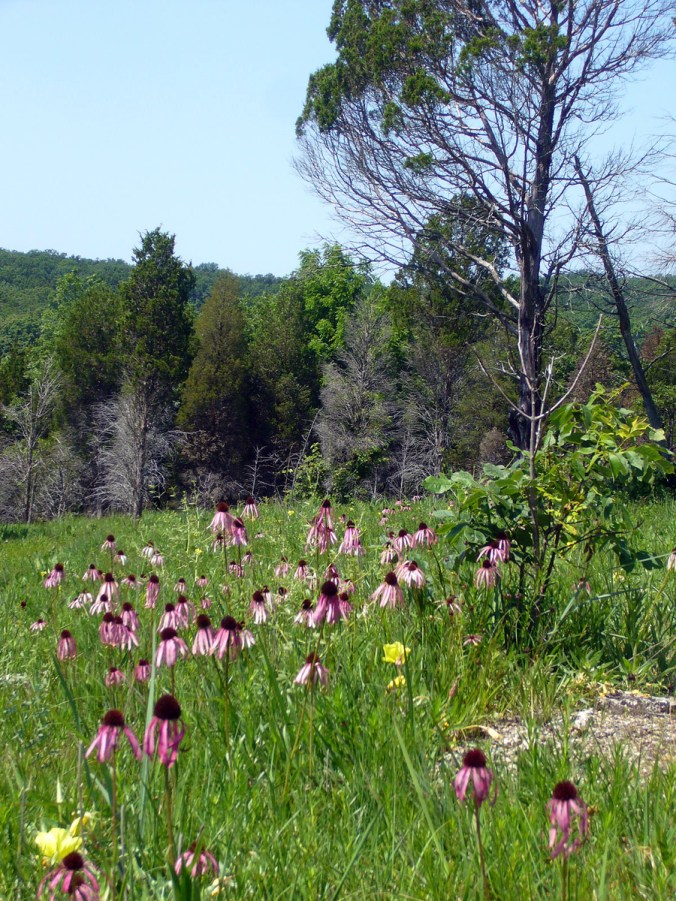
Victoria Glades

From Glades of Jefferson County (July 2008).  I had several wildflower closeups to choose from, but I kept coming back to this field shot of pale purple coneflower (Echincea simulata) and Missouri evening primrose (Oenethera macrocarpa).  The eastern redcedars (Juniperus virginiana) in the background are at once indicative of their preferred habitat (limestone/dolomite glades) and also testament to their threatening encroachment.

Best tree

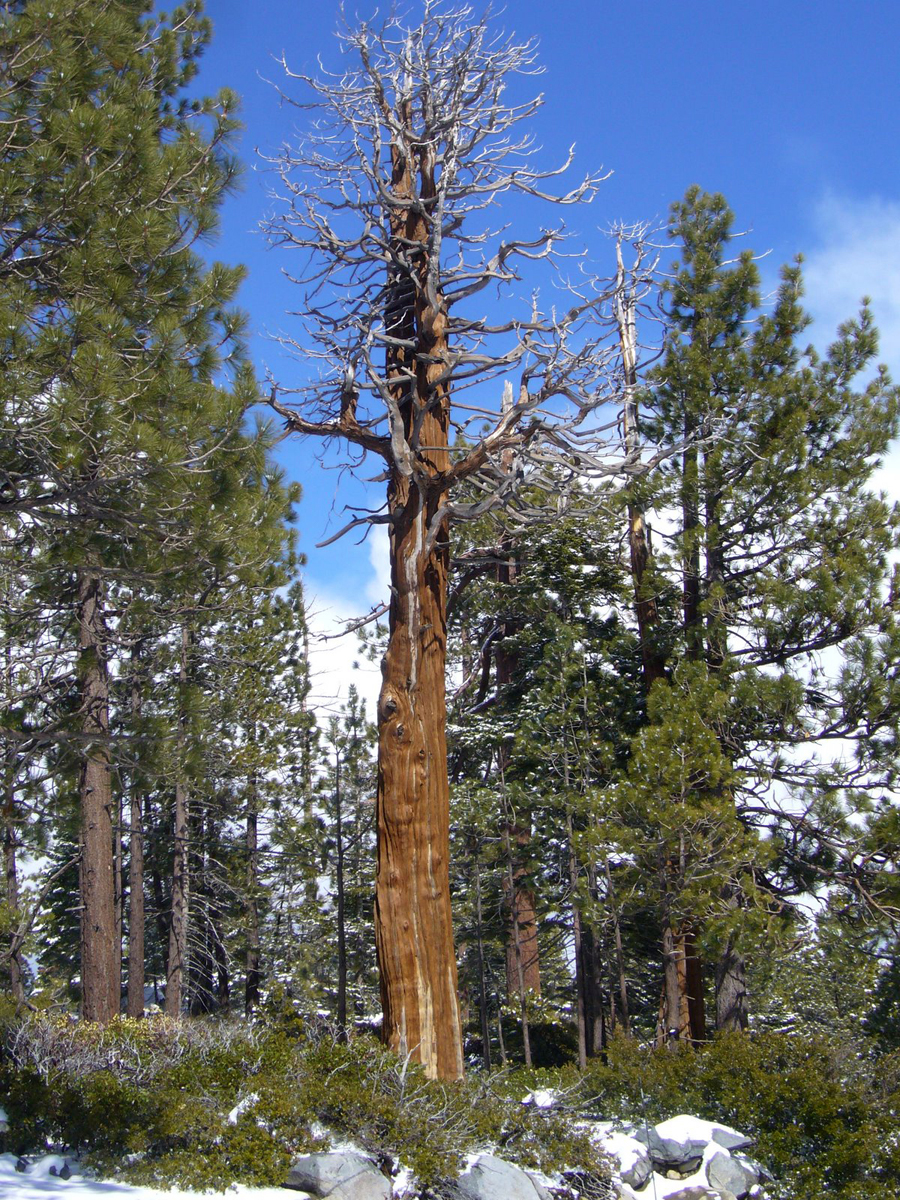
Calocedrus decurrens

From the very simply and aptly named Lake Tahoe, California (March 2008).  Incense cedar (Calocedrus decurrens), with its reddish, deeply furrowed bark and great height, is one of the most majestic of western conifers.  I was captivated by this tree – beautiful even in death and contrasting nicely with the surrounding green foliage.

Best rockscape
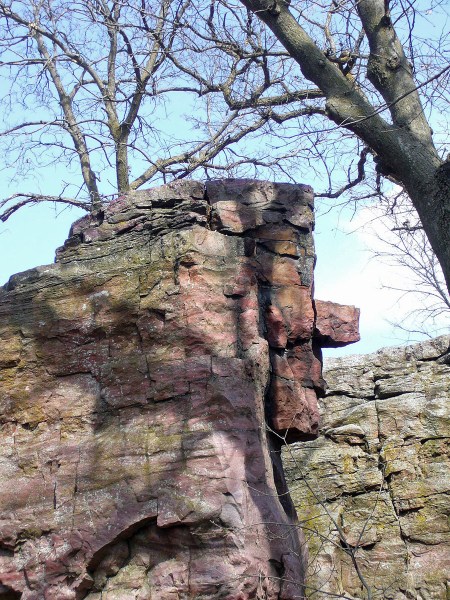
Pipestone National Monument, Old Stone Face

From Pipestone National Monument (April 2008).  “Old Stone Face” is one of Pipestone’s most recognizable geologic features, and the short angle of the sun on this early spring day provided nice detail to the cracks and fissures of the rock – almost appropriately adding a weathered “age” to this old man.

Best landscape
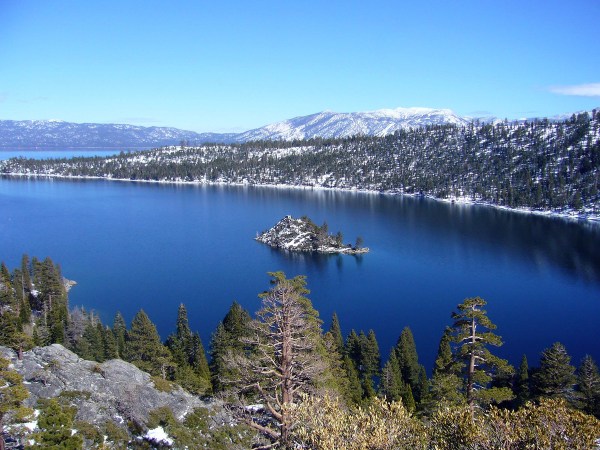
Emerald Isle, Lake Tahoe

Another one from Lake Tahoe, California (March 2008).  Few places on earth are more photogenic than Lake Tahoe, and this perspective overlooking Emerald Bay is among the finest views I’ve seen.  Brilliant blue skies and majestic snow covered mountains reflected perfectly from the still surface, with Fannette Island providing a perfect focal point for the photo.

Best miscellaneous
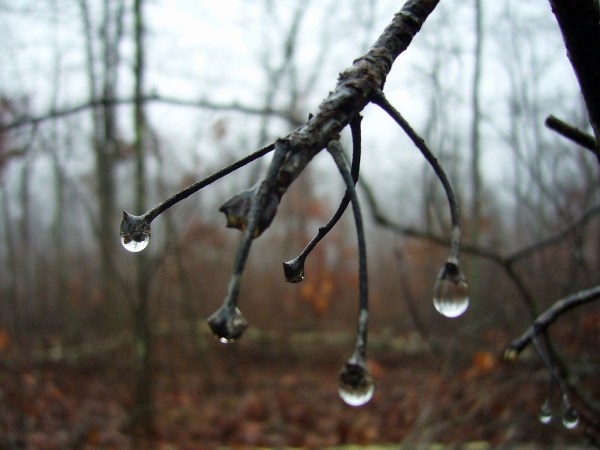
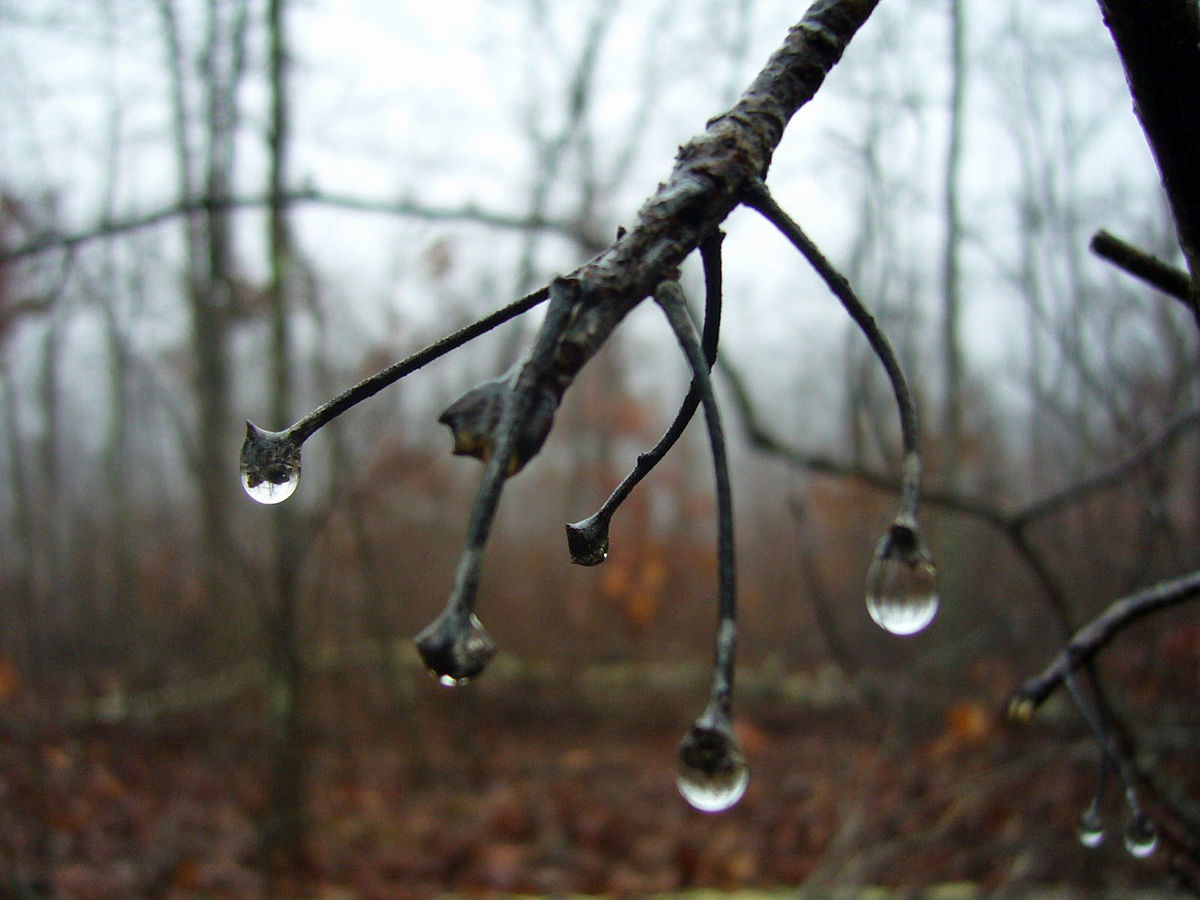
Water drops, Ozark Trail, Trace Creek SectionFrom Ozark Trail, lower Trace Creek Section (December 2007).  While technically not a 2008 photo, it’s close enough.  This was one of the first macro photographs I took with my camera, and it remains one of my favorites.  A chance occurence of an unlikely subject, created by cold temperatures and heavy moisture-laden air. I like the contrast between the water drops – sharp, round, and clear – with the vertical shapes of the leaf petioles and background trees.  Viewing the image full-sized reveals the reflection of the photographer in the leftmost water drop.

Subsequent edit: Okay, so after I put this post together, I realized I actually featured eleven photos – too much difficulty choosing, I guess. Let’s call it a baker’s ten.

Welcome to the “new” Beetles In The Bush

After much consideration, I have decided to move Beetles In The Bush to its new home here at WordPress.  To those of you coming here from the old site, thank you for following the link.  To those of you who have stumbled upon this site from somewhere else, welcome!

The decision to move was not easy, nor was it taken lightly, but it was something I had been considering for quite awhile.  The debates about WordPress versus Blogger are well chronicled, and you will find many who strongly believe in one or the other.  For me, the choice was not so clear – each offers advantages relative to the other.  What really attracted me to  WordPress, however, was the horizontal menu bar linked to static “Pages” that are separate from chronologically-ordered posts – ideal for expanded profiles, tables of contents, indices, annotated link galleries, etc.  I toyed with different methods for creating these in Blogger and actually found a way to simulate them along with the menu bar.  However, it took a lot of effort learning HTML code, and the results were just not very crisp when compared this standard WordPress feature.  Frankly, I’d rather spend my time writing posts rather than HTML code.  Moreover, I’ve always been impressed with the clean, professional look of the WordPress templates – very attractive.

Nevertheless, the idea of actually moving my blog was still a daunting thought.  Would everything transfer or would I have to start over?  Would I lose my photos?  Would the post formatting get messed up?  The more I researched it, the more feasible it seemed, and when I actually created a site for beta testing I was immediately impressed with the functionality and ease of use.  Setting up the new blog, transferring the posts and comments from the old site, adding the “page” features that I had so long desired, and all the fine-tuning to achieve the “look” that I wanted only took a few hours.  The hardest part was deciding on a template.  Alex may think I simply copied what he did, the truth is I previewed both the initial blog and the finished blog in every template offered by WordPress.  I liked the clean lines, crisp fonts, and simple elegance of this layout.  I also debated about whether to replace the old banner, but ultimately decided a move to a new site deserved a new banner to go along with it.  I suppose switching sites might mess up page stats, Google rankings, and other technical issues that concern serious bloggers.  I’ll need to keep the old site live, since that is where all the photos from the previous posts are housed – that might ‘steal’ hits that would have otherwise come to this site when people do Google searches.  I guess all I can hope is that people landing on the old site will follow the redirect.

So, welcome to the new Beetles In The Bush – I hope you’ll take a moment to explore the new pages.  I’ve included a short biography in About, a Table of Contents with a complete list of posts (and recommendations for some of my favorites), a description of my personal Insect Collection with links to inventories for certain taxa, a complete list of my Publications, and an annotated list of Links that I’ve found useful for identification and nomenclature of insects and plants.  Comments are always welcome, and feel free to Contact me directly if you have specific questions or comments.  Don’t forget to update your links from:

http://beetlesinthebush.blogspot.com

to:

http://beetlesinthebush.wordpress.com

Superior Scribbler Award

Huckleberry at Huckleberry Days recently honored me with a Superior Scribbler Award. Huckleberry maintains an excellent blog about “Biodiversity, conservation, natural history and more, mostly in British Columbia, Canada, mostly in the Fraser River Delta, but sometimes not…” I enjoy their richly illustrated posts, often highlighting invasive plants and the impacts they’ve had on natural communities in the Delta. I am pleased to have made their list of selections and thank Huckleberry for the consideration.

Superior Scribbler award
The Scholastic Scribe, originator of The Award, provides some rules that come with this award:

  1. Each Superior Scribbler must in turn pass The Award on to 5 most-deserving Bloggy Friends.
  2. Each Superior Scribbler must link to the author and the name of the blog from whom he/she has received The Award.
  3. Each Superior Scribbler must display The Award on his/her blog and link to this post, which explains The Award.
  4. Each Blogger who wins The Superior Scribbler Award must visit this post and add his/her name to the Mr. Linky List. That way, we’ll be able to keep up-to-date on everyone who receives This Prestigious Honor!
  5. Each Superior Scribbler must post these rules on his/her blog.

Items 2-5 are now satisfied; however, the requirement to nominate five other blogs has me a bit stumped. Not that I don’t think there are five that are deserving – quite the contrary, there are many other blogs that I enjoy, though often for different reasons. Some provide a quick, humorous quip, while others offer comprehensive insight on technical subjects. Some provide timely updates on items in the news, while others offer captivating glimpses into some personal journey or mission. Some emphasize photos, others emphasize prose. What they all have in common is that they possess some unique and, to me, interesting perspective on natural history. One only needs to look at my fairly long blog roll to see which I find interesting enough to follow on a regular basis. Since many of these are already very well known and popular, an award from little ol’ me hardly seems necessary. As a result, I have decided to bend the “5 blogs” rule and, instead, highlight just one blog that, for me, really stands out for its combination of interesting subject matter, impassioned writing, and lovely photographs. That blog is Ozark Highlands of Missouri, by the talented Allison Vaughn. A native of Louisiana and college classics major, Allison found her way to my beloved Ozark Highlands after a brief stint in Missouri’s Southeast Lowlands. Her blog’s subheading, “Musings on Missouri’s most ecologically diverse and culturally fascinating landscape”, aptly alludes to the rich variety found in her deftly written posts. From descriptions of fragile natural communities and searches for rare, endemic plants, to discussions of responses (anthropic and natural) to fire regimes and essays on significant cultural events in the region’s history, Allison’s writings are at once informative and insightful, yet intimate and introspective. Almost two years old by the time I discovered it earlier this year, Ozark Highlands of Missouri is one of the few blogs that I have gone back and read in its entirety. I don’t know if Allison, endearingly modest as she is, will accept this award, but I highly recommend you visit her blog and read a few of her posts. Treat it as a delicious novel – something warm to cozy up to with a hot cup of tea as we enter the long winter months ahead.

The Five Things Meme

Adrian Thysse has tagged me with The Five Things Meme:

5 things I was doing 10 years ago:

  • Enjoying my second year of fatherhood
  • Revising the North American species of the cerambycid beetle genus Purpuricenus
  • Collecting beetles in Arizona with Chuck Bellamy and Art Evans
  • Learning to speak Spanish
  • Worrying a lot more about career advancement than I do now

5 things on my to do-list today:

  • Take kids to the dentist – check
  • Put up kids tether ball pole – abort (pole sections don’t fit, need to exchange)
  • Vacuum carpets throughout the house – check
  • Hang pictures I took of wildflowers this spring (chosen, nicely framed, and given to me by my wife for my birthday) – check
  • Short 20-mile bike ride – CHECK!

5 snacks I love:

  • Spudmaster CollosalChips, handmade in the heart of Missouri
  • GK Select Gourmet Blend nuts (collosal cashews, almonds, macadamias & pecans)
  • Raspberry or blueberry scone and coffee
  • Pemmican Premium beef jerky, peppered
  • Chocolate covered almonds/raisins/strawberries/etc.

5 things I would do if I was a millionaire:

  • Help my dad retire
  • Enroll kids in private school
  • Substantial contributions to The Nature Conservancy
  • Buy a few acres on the west shore of Lake Tahoe
  • TRAVEL!

5 places I’ve lived:

  • Kansas City, Missouri (childhood)
  • Columbia, Missouri (university)
  • St. Louis, Missouri (1st job)
  • Sacramento, California (2nd job)
  • St. Louis, Missouri (3rd job)

5 jobs I’ve had:

  • Injection Mold Operator (3 mos)
  • Pizza Cook (9 mos)
  • Research Assistant (2 yrs)
  • Agricultural Inspector (8 yrs)
  • Research Entomologist (18 yrs)

And I tag Allison Vaughn, Doug Taron, Hugh, cedrorum and Huckleberry.

Pardon my introspection

In addition to this blog, I maintain a second, older blog called Bikes, Bugs, and Bones. That snarkier, decidedly less erudite site was my first venture into the world of blogging, initiated some two and a half years ago not due to any particular vision on my part, but more as a reaction to other blogs that were popping up by people I knew in the St. Louis cycling scene. At that time, I was deeply immersed in the world of amateur bike racing, and a blog seemed to be a natural outlet for reporting my take on the races in which I participated. The title – Bikes, Bugs, and Bones – was a reflection of my propensity to be interested in too many things (with not enough time). In reality, however, my surging interest in cycling had by then pushed my longer held entomological and natural history interests to the back burner, and my posts on that blog – then and now – dealt almost exclusively with bicycles and racing. For several reasons racing was something I needed to do, and I had a good run – winning 14 races in seven years (including three state championships) and crowing it all with a highly respectable finish in the 2007 Etape du Tour (an amateur race held on the “Queen stage” route of the Tour de France). My interest in entomology and natural history never waivered during this time, but the demands of training relegated any meaningful field work to short windows before the racing season began and after it ended each year. Eventually, the entomologist in me could be suppressed no longer, and at the end of last year I decided that I needed to get back to doing what I loved – bug collecting! I made a commitment to return entomology field work to its rightful place as my first priority (after family and work, of course) and race bicycles as time permitted. (I have since completely retired from racing, although I still ride and maintain Bikes, Bugs, and Bones as an outlet for discussing all things cycling.) As an expression of that renewed commitment, I started a new blog – this blog – and after much frustration finding that every blog name I thought of had already been thought of by someone else (and generally abandoned after only a few posts) settled on the name Beetles In The Bush. One year ago today – November 24, 2007 – I posted my first entry to this new blog (a subsequent entry, a list of my publications, was backdated to November 23).

Beetles In The Bush started with a simple mission – to document my entomological and other natural history experiences and provide an outlet for the photographs that I was beginning to take. Late fall is not the best time to begin an insect blog, especially with no insect photos on hand to serve as starter material. As a result, my initial posts appeared rather infrequently – primarily whenever I had the opportunity to do a winter hike. It was those first few hikes, however, and my efforts to write something interesting about the natural history represented in the photographs that I took, that called attention to what I realized was a glaring gap in my overall knowledge of natural history. I was a competent entomologist, to be sure, but that competency did not extend to general botany (other than the mostly woody plants with which the insects I studied were associated), or to the natural communities in which those plants and insects occurred, or to the geology of the landforms that contained those natural communities, or to the manner in which these fields intersect, an understanding of which I would have to have before I could consider myself a competent natural historian. More than just an outlet for posting pictures and stories about my adventures, Beetles In The Bush also quickly became a tool to help me learn more about botany, ecology, geology, and related fields. I have read more non-entomology literature in the past year than I have since earning my degrees, and since knowledge and passion are intimately linked in a positive feedback loop, I’ve found myself becoming even more passionate about entomology, too. I still have much to learn – I am a work in progress, far from complete. But in this case, it is the journey that is also the reward.

Like all bloggers, I’d like to think that I have a large, regular following, and that over time more and more people will find my writings interesting and worthy of their time. The numbers don’t support this – as of this one-year anniversary, Beetles In The Bush has received 6,987 hits – not triffling but by no means extraordinary. While the graph below shows steady growth during the first year of existence, the numbers don’t come within a rifle’s shot of some of the really popular natural history and science blogs. I surmise the main reason for this involves a relatively lower posting frequency – a little more than once per week on average instead of the daily or near daily frequency seen with many blogs. I suppose also my relatively specialized subject matter and tendency to ramble on are contributing factors. I have thought about writing smaller, more frequent posts and expanding my subject matter to create greater interest; however, in doing this I realized that what I enjoy most is writing stories about the things that interest me – stories that teach, stories that impart a sense of the passion that I feel, stories that allow me to reflect on what I’ve learned and what I still don’t know. If that makes a broad, daily readership less likely, so be it – I understand now that I’m doing this as much for me as anyone else. So, I mark this first anniversary with a resolution to wean myself from the lure of trying to increase traffic and refocusing my efforts on doing what I enjoy most – writing silly little stories about the things I stumble upon on my journey to become a better natural historian. For the readership that I do have, I am grateful. More importantly, I am thankful for the goodly number of “friendships” that have resulted from these writings. Thank you for your interest, and I sincerely hope that some day I have the chance to meet many of you in person.

Beetles in the Bush - first year summary