Review of Calodema and Metaxymorpha

ResearchBlogging.orgNylander 2008Insects are not only the most diverse group of animals in the world, they are also among the most beautiful.  Beetles, of course (with apologies to any lepidopterists that may be reading this), are responsible for a hefty slice of this majestic diversity, with the most spectacular of these belonging primarily to a few select families.  Longhorned beetles, who combine vibrant colors with grossly elongated antennae and legs.  Scarabs, upping the anty by sporting a monstrously wonderful array of horns or just sheer size to go along with their bright colors.  Tiger beetles, whose elaborate designs and vivid colors are further augmented with toothy-jawed, behavioral charisma.  Yet, it is the Buprestidae upon which the moniker “jewel beetles” has been bestowed, despite their lack of obvious morphological gimmicks – a testament to their bright, sparkling, even gaudy colors and exquisite surface sculpture.

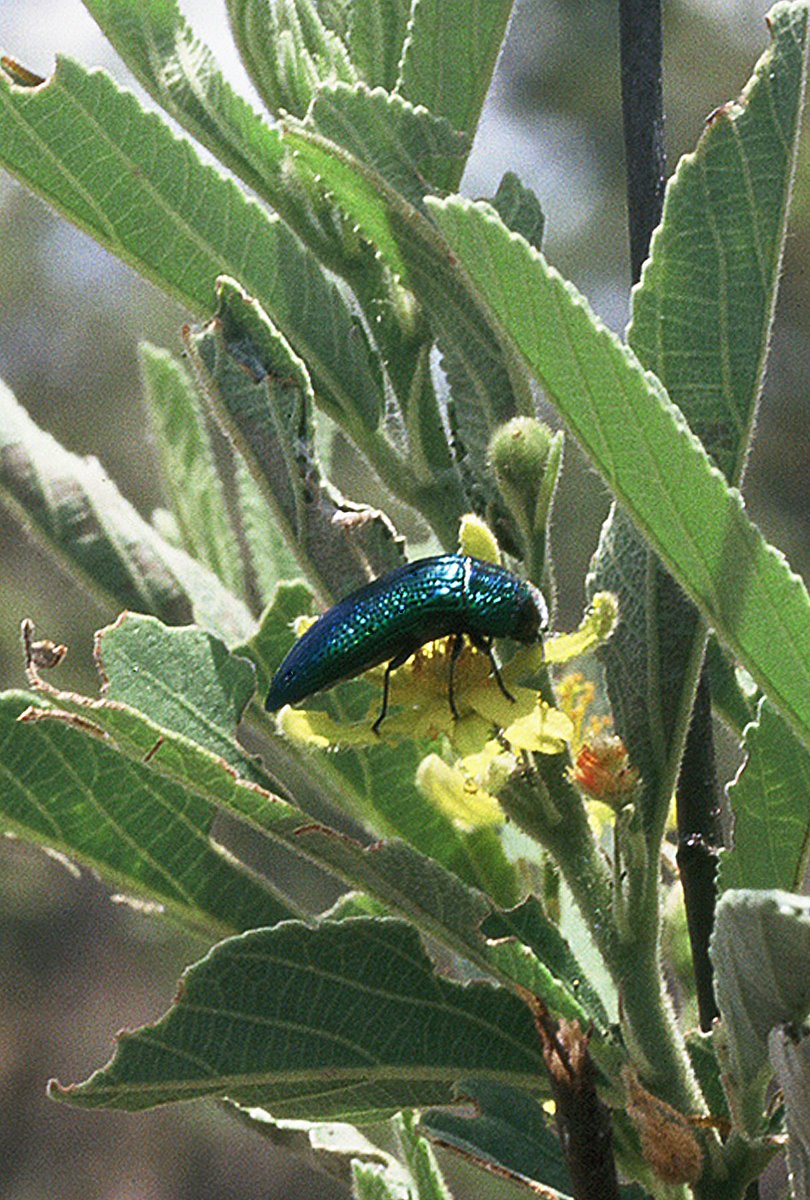
Calodema spp.Some of the most beautiful buprestids in the world are found in the rainforests of southeast Asia, Indonesia, New Guinea and northern Australia.  Genera such as Catoxantha, Chysochroa, Megaloxantha, and Chrysodema come to mind – big, beautiful beetles with screaming iridescence of green, red, yellow and blue.  Living jewels!  These and related genera comprise the great tribe Chrysochroini – the “classic” jewel beetles.  Not as well known but perhaps even more spectacular than the chrysochroines are two genera with strictly Australasian affinities – Calodema (left) and Metaxymorpha (below).  These two genera are the subject of a review authored by Swedish entomologist Ulf Nylander and published in the journal Folia Heyrovskyana by Kabourek.  This gorgeously printed, copiously illustrated, and handsomly bound volume is as much a work of art as it is a technical review.

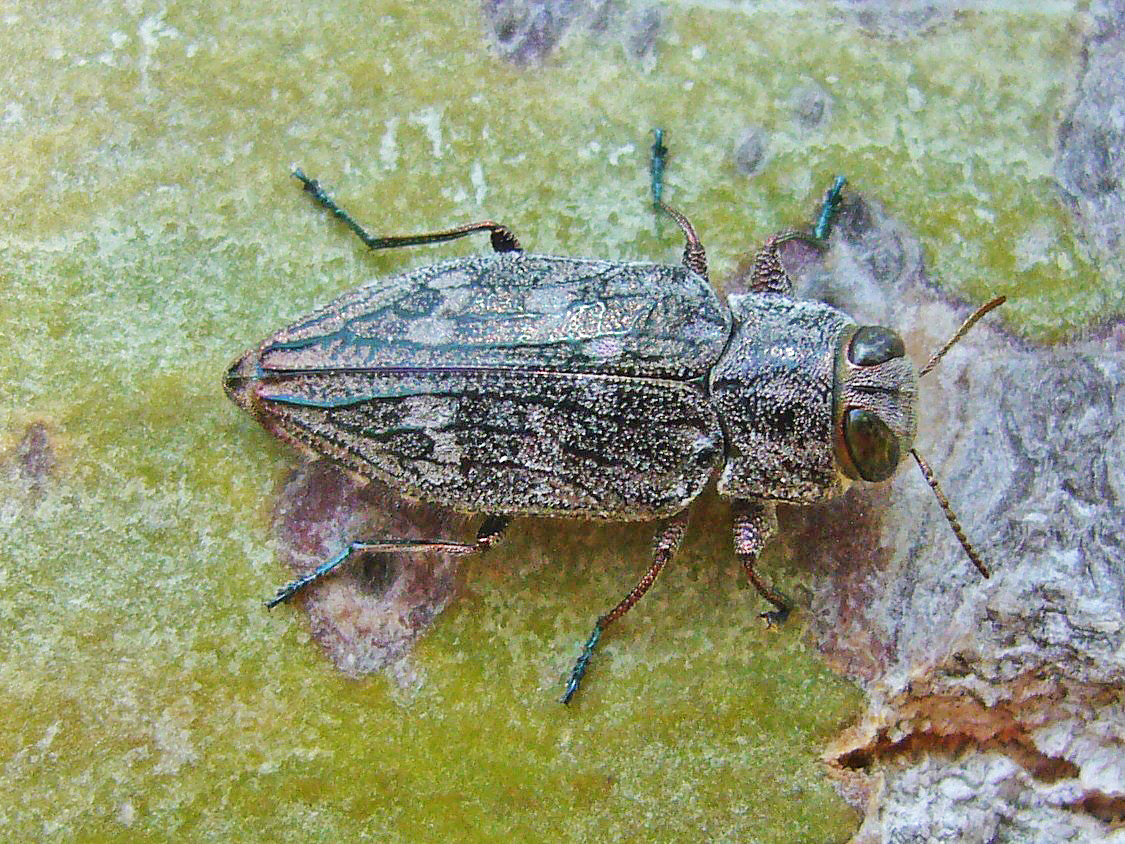
Metaxymorpha spp.Calodema and Metaxymorpha are among several genera comprising the tribe Stigmoderini in the subfamily Buprestinae.  Six genera, including Calodema and Metaxymorpha, are strictly Australasian, while another five genera are of southern Neotropical occurrence.  This now-disjunct tribal distribution suggests an origin on Gondwana prior to its break up beginning about 167 million years ago during the mid-Jurassic.  Calodema and Metaxymorpha are restricted to New Guinea and its associated islands and the northern and northeastern coastal areas of Australia.  The two genera share certain features that distinguish them from other stigmoderines, notably elongated mouthparts adapted to feeding on nectar and a streamlined, aerodynamically-shaped body with the prosternum (ventral sclerite behind the head) curiously prolonged into a large conical process.  Nylander discusses the possible function of this process in serving as a ballast to help stabilize the flight of these large beetles as they fly through branches and other obstructions in the upper forest canopy searching for flowers on which to feed.  This thought is based on the observation that adult beetles dropped from any angle are able to quickly right themselves and fly away before hitting the ground, while stigmoderines in other Calodema ribbeigenera – lacking the prosternal process – more often drop to the ground and feign death (presumably an adaptation for predator avoidance in the more open environments where they occur).  Calodema and Metaxymorpha are clearly related to each other but are distinguished by the smaller scutellum and nonoverlapping elytra of Calodema versus larger scutellum and distinctly overlapping elytra (in the apical area, usually left over right) of Metaxymorpha.

Fifteen species of Calodema and 18 species of Metaxymorpha are recognized, with comparative tables, figures, and keys provided to differentiate the species and species groups within each genus.  Four species are described as new, including Calodema hanloni, C. longitarsis and Metaxymorpha alexanderiensis from Papua New Guinea, and M. hanloni from Australia.  Species treatments include synonymies, information on type specimens and type localities, label data for specimens examined, detailed descriptions, and comments on distribution and flight periods when known.  Metaxymorpha nigrofasciataHigh quality, full color photographs are provided for every species.  In many cases, multiple specimens are illustrated to show the degree of intraspecific variation encountered in the specimens studied, as shown in the examples included here for Calodema ribbei (above) and Metaxymorpha nigrofasciata (right).  These fabulous plates would almost be enough to justify ‘coffee table book’ status, were it not for the decidedly technical nature of the text itself.  Lest you think this makes for a strictly dry read, there are additional comments for several species regarding historical localities and collection circumstances.  One of the more fascinating is this passage for Calodema vicksoni from Papua New Guinea:

The holotype was captured by a native lady who found this specimen feeding on flowers near her house in the jungle in a very remote location in the Owen Stanley Range.  She caught the beetle and gave it to her husband.  Sadly enough, shortly afterwards she was bitten by a Papuan Blacksnake and died.

The morbid origins of this species become even more gruesome, as Nylander further explains that the species was named to honor the memory of the late Vickson Kotaseao – an associate at the Wei Institute in Papua New Guinea who was the first person to discover the larva of Calodema, and who was later brutally murdered in an ambush while on duty.  The book concludes with a summary of the meager biological information recorded for species of Calodema and Metaxymorpha, including observations of larvae presumed to be Calodema ribbei and their host tree.  As a special bonus, the book comes with a DVD that includes videosequences of adults of several species (Calodema regalis, C. blairi, C. ribbei, C. hudsoni, Metaxymorpha nigrosuturalis, and M. meeki) feeding on their flower hosts in the Australian and Guinean rain forests.  While the color photographs in the book are truly stunning, seeing these beetles on video emphasizes their true spectacularity as living, behavioral creatures and not just dead, pinned specimens.

This book is a beautiful assemblage of all that is currently known about some of the world’s most gorgeous beetles.  Sadly, it also emphasizes just how incomplete that knowlegde really is.  Of the 33 species now recognized in these two genera, 20 of them (60%) have been described in just the past 15 years, and virtually nothing is known of the biology of the vast majority of them.  Seven species are known from just a single specimen, and several more are known by only a very small handful.  In an age where advanced molecular genetic techniques offer great promise for unlocking stores of knowledge about evolutionary relationships among earth’s biota, Calodema and Metaxymorpha offer a sobering reminder that there is still much to do in the less glamorous world of alpha taxonomy.  As noted by Nylander, the center of diversity for these spectacular buprestids appears to be in the Papua New Guinea central highlands – primary rain forests that are increasingly threatened by both legal and illegal logging.  To destroy such a biodiversity “hotspot” would be a sad legacy to leave – but to destroy it without even knowing what was there to begin with would be simply shameful.

I thank Ulf Nylander for granting me permission to scan and post these gorgeous plates, representing but a few of the many beautiful illustrations that can be found in his book.

REFERENCE:

Nylander, U. (2008). Review of the genera Calodema and Metaxymorpha (Coleoptera: Buprestidae: Stigmoderini) Folia Heyrovskyana, Supplementum 13, 1-84.
Afrikaans ants

A few for Alex

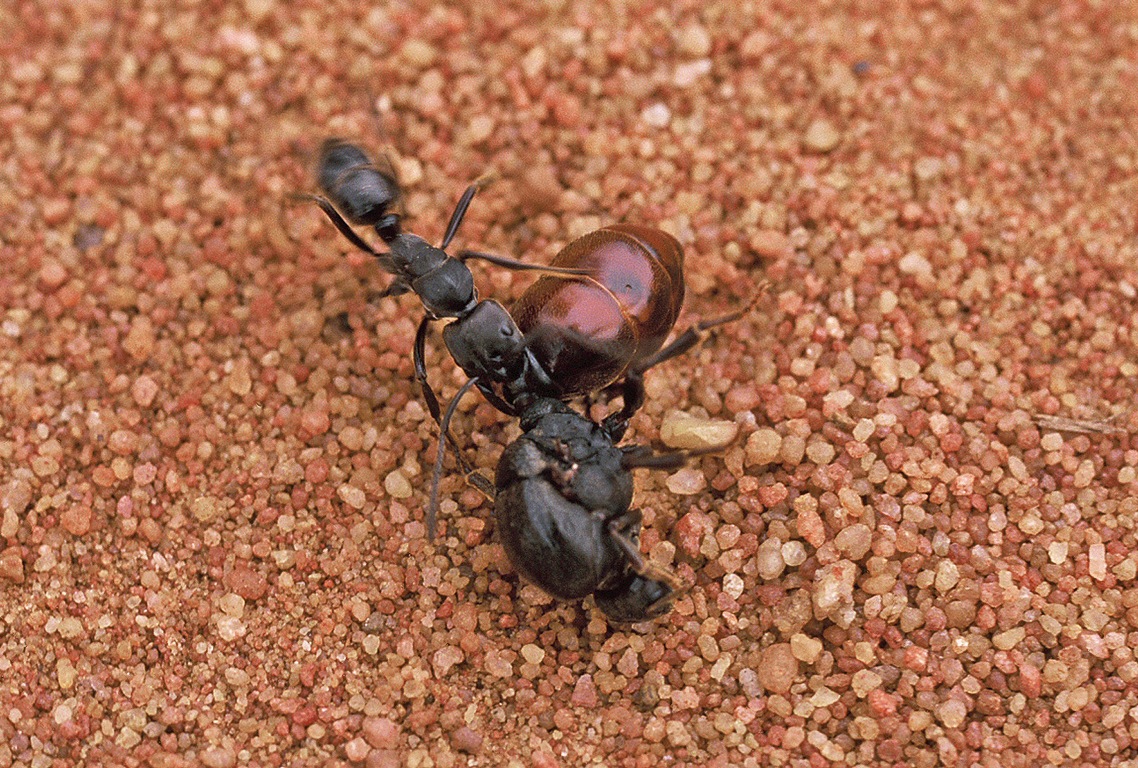
I photographed these ants in South Africa during my visit to Borakalalo National Park (North West Province) in November 1999.  Dr. Brian Taylor, author of the impressive Ants of Africa website, kindly identified and provided some information about the ants in these photos.  Pachycondyla tarsata - South Africa, North West Province, Borakalalo National Park, 25.xi.1999The first photo shows a worker ant dragging another dead ant.  Dr. Taylor identified the worker as Pachycondyla tarsata, which according to his website is known as the ‘Stink Ant’.  This pan-African species usually forages singly and nests directly in the ground, with the entrance often surrounded by excavated soil and remains of arthropods and other food. He wasn’t sure about the identity of ant being carried but guessed that it could be the queen of Camponotus (Myrmopiromis) fulvopilosus1.  That species is South African and appears to be of the right size for the individual in this photo.  Ants may have taken over the world, but at least they clean up after themselves.

1 Edit 01/17/09: Dr. Taylor sent an email to me saying that, after a second look at the above photo, he now believes the queen being carried by the Pachycondyla tarsata worker probably represents Carebara vidua, discussed below.

These next photos might have been better posted on Wednesday (ahem… “hump” day).  424046-r1-e009_009_mating_ants_21Dr. Taylor identified them as Carebara vidua. According to Lepage and Darlington (1984), colonies of this termitophagous species produce broods of alates ready to fly during the short November rains (as we experienced during our visit), as well as the longer April rains. Male and female alates are usually produced in separate nests, and after the flight the alate males seek out the females. The mating swarm I photographed shows several males attempting to mate with a single female – I counted five males at first, although one dropped off while I continued taking photos trying to get a good shot of the “lucky fellow”. 424046-r1-e010_010_mating_ants_21I am pleased that Dr. Taylor considered these photos informative enough to post on the species page at his Ants of Africa website. Lepage and Darlington (1984) reported nests of this species established in 2-10% of Macrotermes termite mounds  in Kenya, although nests can also occur well away from mounds. In the laboratory, dealate female ants exposed to Macrotermes workers remained passive and elicited no aggression. After 39 days, the mated females were capable of producing broods of about 1,000 workers, able to overpower, kill and eat the much larger Macrotermes workers.

REFERENCES:

Taylor, B. 2008. Ants of Africa. http://www.antbase.org/ants/africa/antcover.htm.

Lepage, M. G. and J. P. E. C. Darlington. 1984. Observations on the ant Carebara vidua F. Smith preying on termites in Kenya. Journal of Natural History 18(2):293-302.

Top Ten of 2008

For the first post of 2009, I begin with a look back at some of my favorite photos from 2008 (idea stolen from Alex Wild and others).  I initially hesitated to do a “best photos” post since I’m not really a photographer – just an entomologist with a camera.  Nevertheless, and with that caveat in mind, I offer ten photos that represent some of my favorites from this past year. To force some diversity in my picks, I’ve created “winning” categories (otherwise you might just see ten tiger beetles!). Click on the photos to see larger versions, and feel free to vote for your favorite. If so, what did you like about it? Was there a photo I didn’t pick that you liked better?  Enjoy!

Best tiger beetle

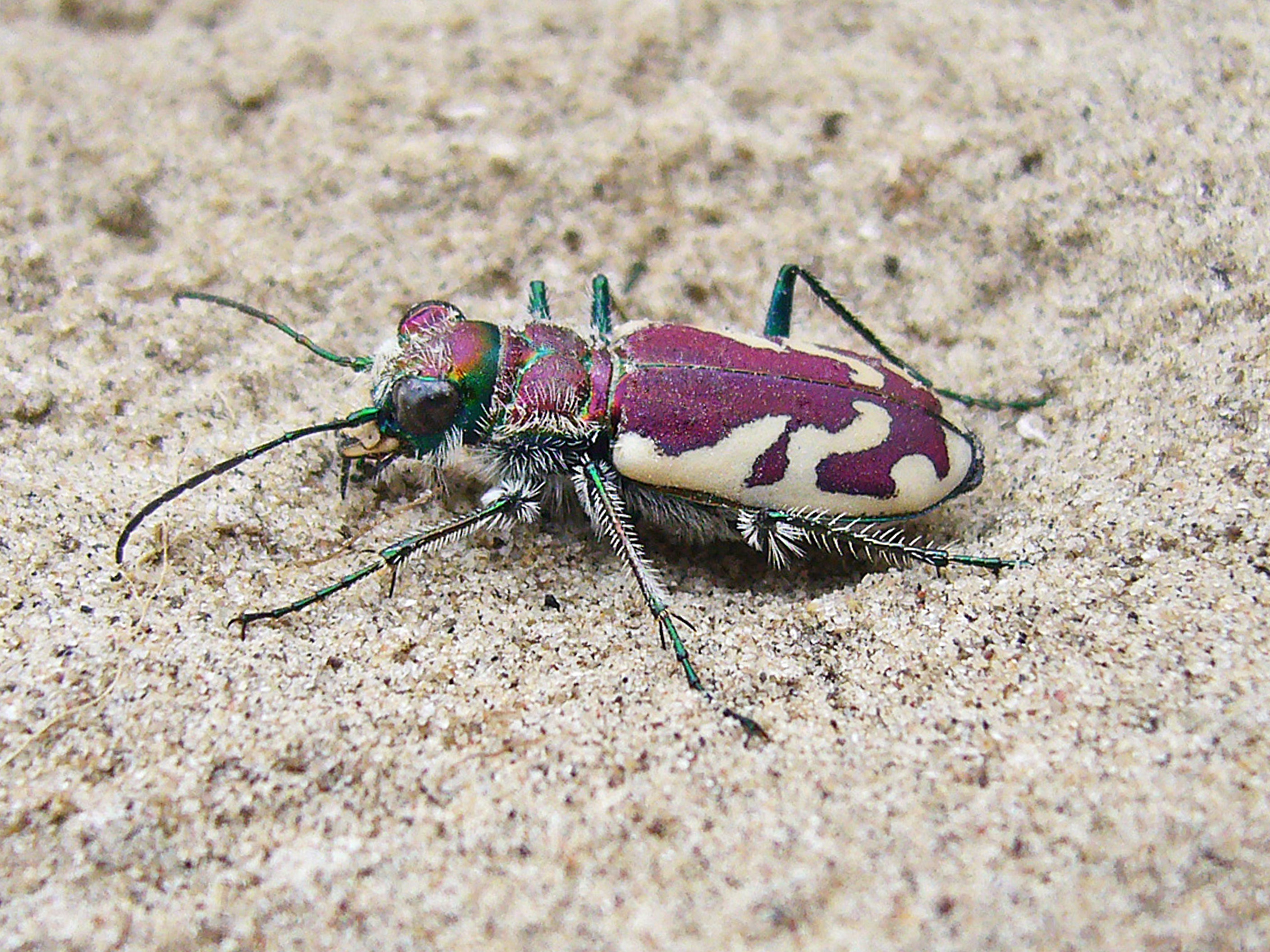
Cicindela formosa generosa

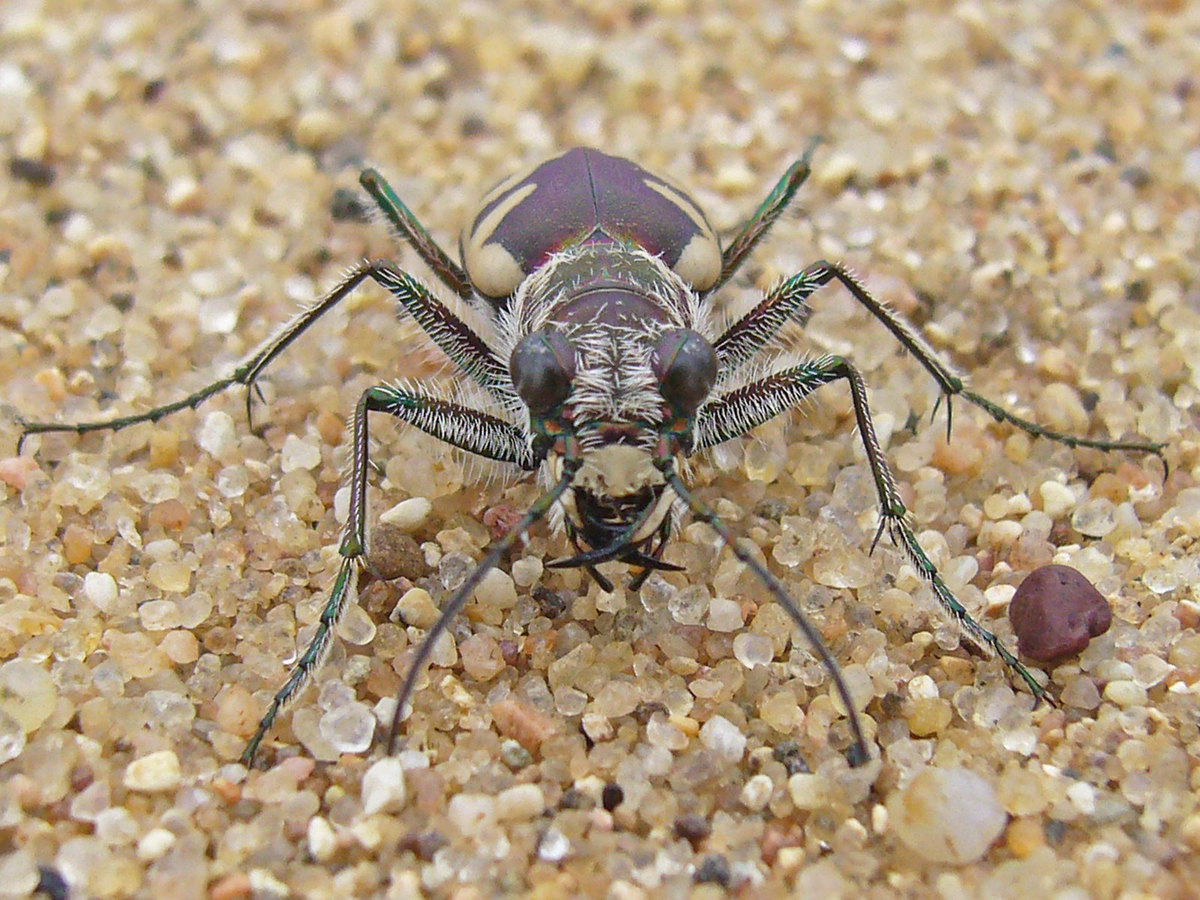
From “All the better to see you with, my dear!” (September 2008).  Picking a top tiger beetle photo was tough with so many to choose from.  Ultimately, I decided I really like these face-on shots, and of the several I’ve posted this one of Cicindela formosa generosa has the overall best composition, balance and symmetry.  I considered this one of Cicindela formosa formosa – with its half-cocked jaws, it probably has better personality.  However, the one above got the final nod because it is a true field shot of an unconfined, unmanipulated individual.

Best jewel beetle

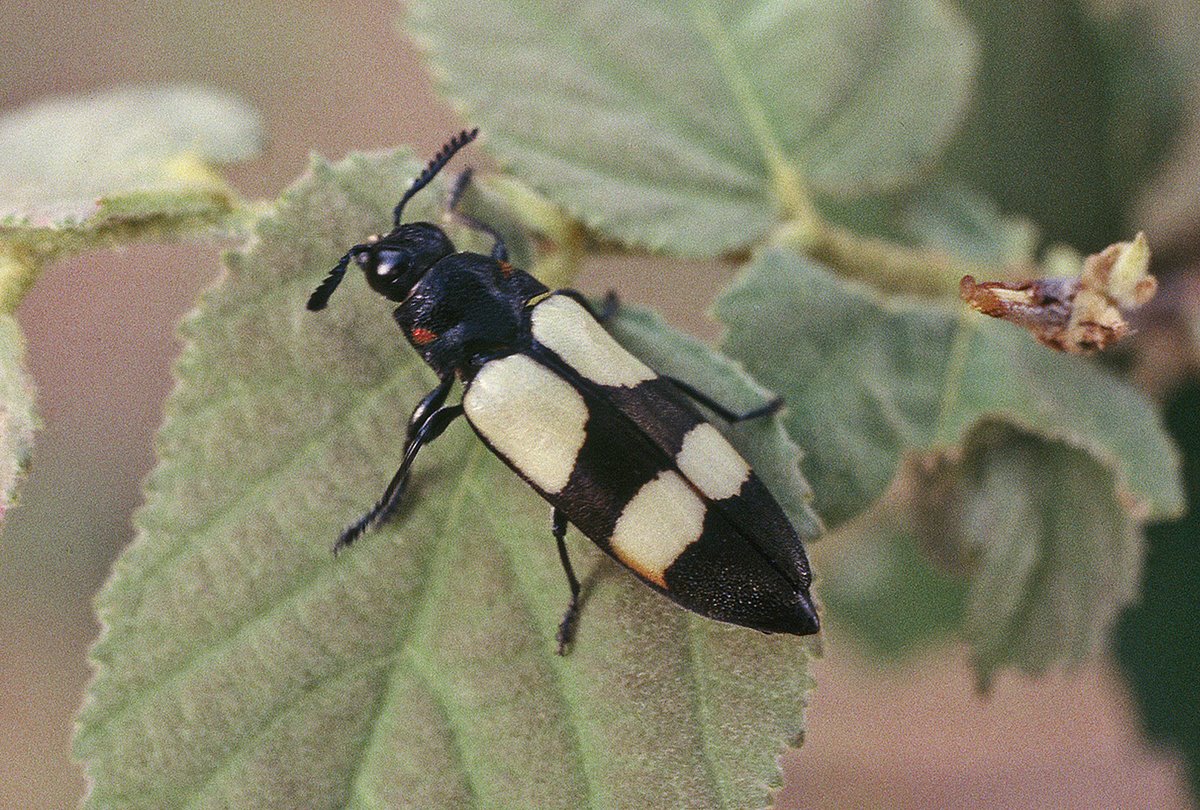
Aegelia petelii

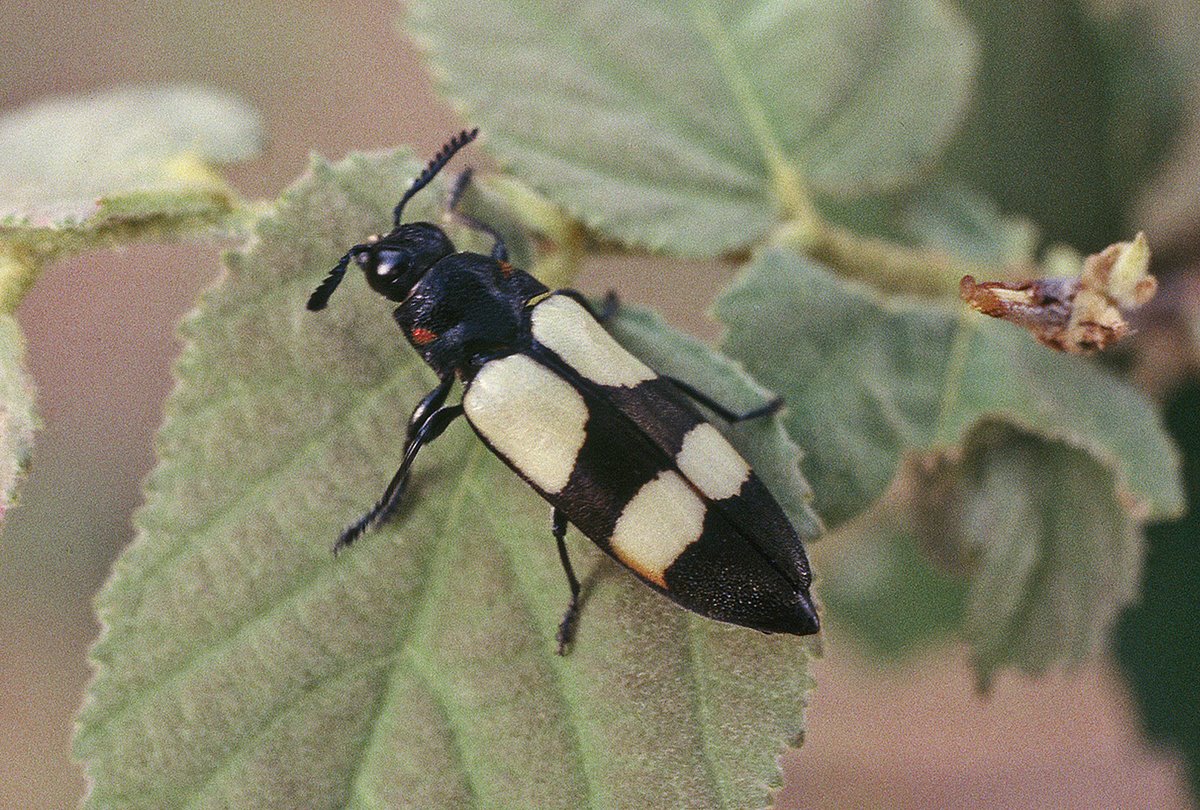
From Buppies in the bush(veld) (December 2008).  Although taken back in 1999, I just recently scanned and posted this photo of Agelia petelii from South Africa.  I like the bold, contrasting colors of the beetle combined with the soft colors of the host foliage.  Runners up included these photos of Evides pubiventris with its sumptuous iridescent green blending beautifully with the green background (but suffering slightly from shallow depth of field) and Chrysobothris femorata with its intricate surface sculpturing.

Best longhorned beetle

Tetraopes femoratus

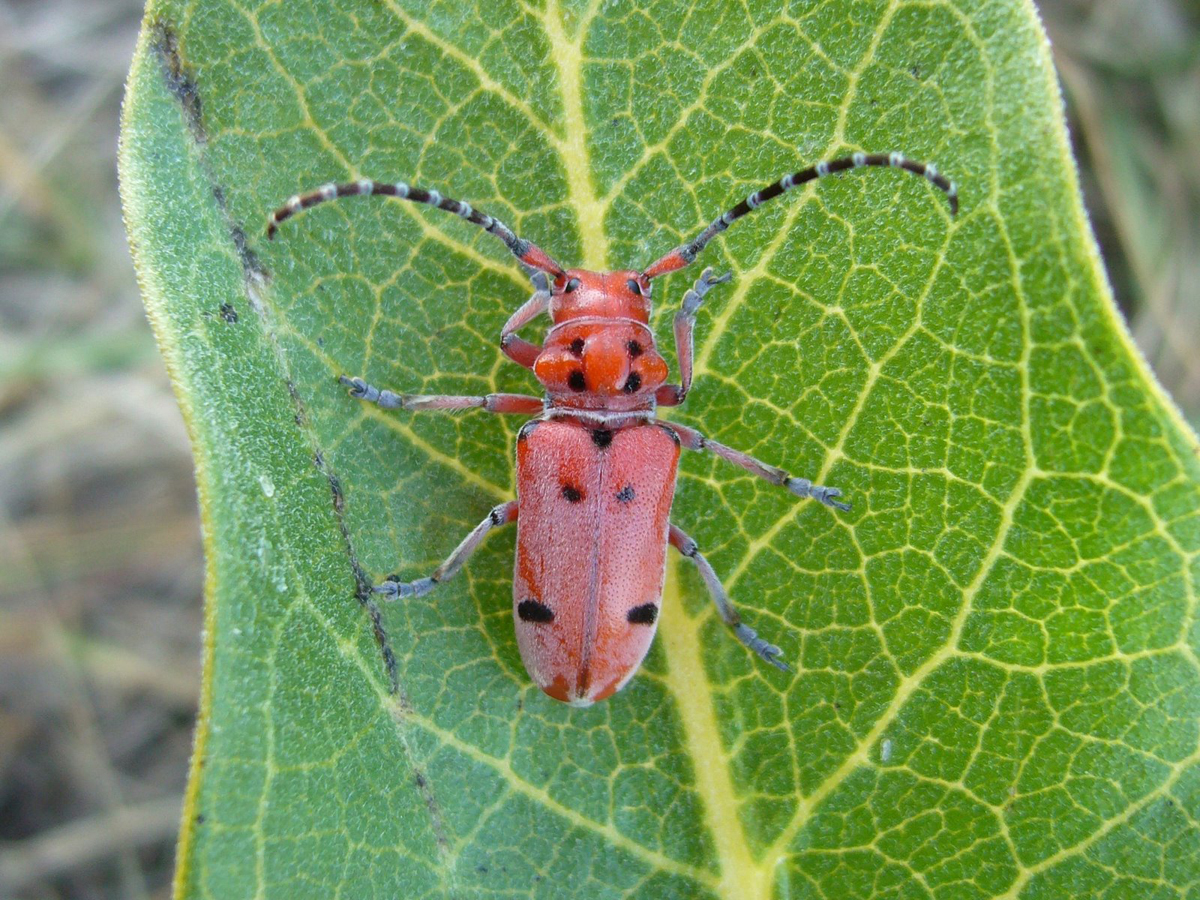
From Rattled in the Black Hills (September 2008).  This was an easy choice – none of the other longhorned beetle photos that I posted during 2008 matched this photo of Tetraopes femoratus for clarity, composition, and the striking contrast between the red color of the beetle and the green color of the host plant.  I especially like the detailing of the body pubescence.

Best non-beetle insect

Proctacanthus milbertii

From Magnificently Monstrous Muscomorphs (November 2008).  I do like other insect besides beetles, and robber flies are hard to beat for their charisma.  This photo of Proctacanthus milbertii (which, as Chris Taylor pointed out, literally translates to “Milbert’s spiny butt”), has great composition and nice, complimentary colors.  I like contrast between the fine detail of the fly and the soft background.

Best non-insect arthropod

Argiope aurantia

From Happy Halloween! (October 2008). I didn’t have many non-insect arthropod photos to choose from, but this photo of a female Argiope aurantia (yellow garden spider) would be deserving of recognition no matter how many I had to choose from. I like the bold, contrasting colors and symmetry of the spider in front of the dappled background of this photo.

Best non-arthropod animal

Prairie rattlesnake (Crotolus viridis)

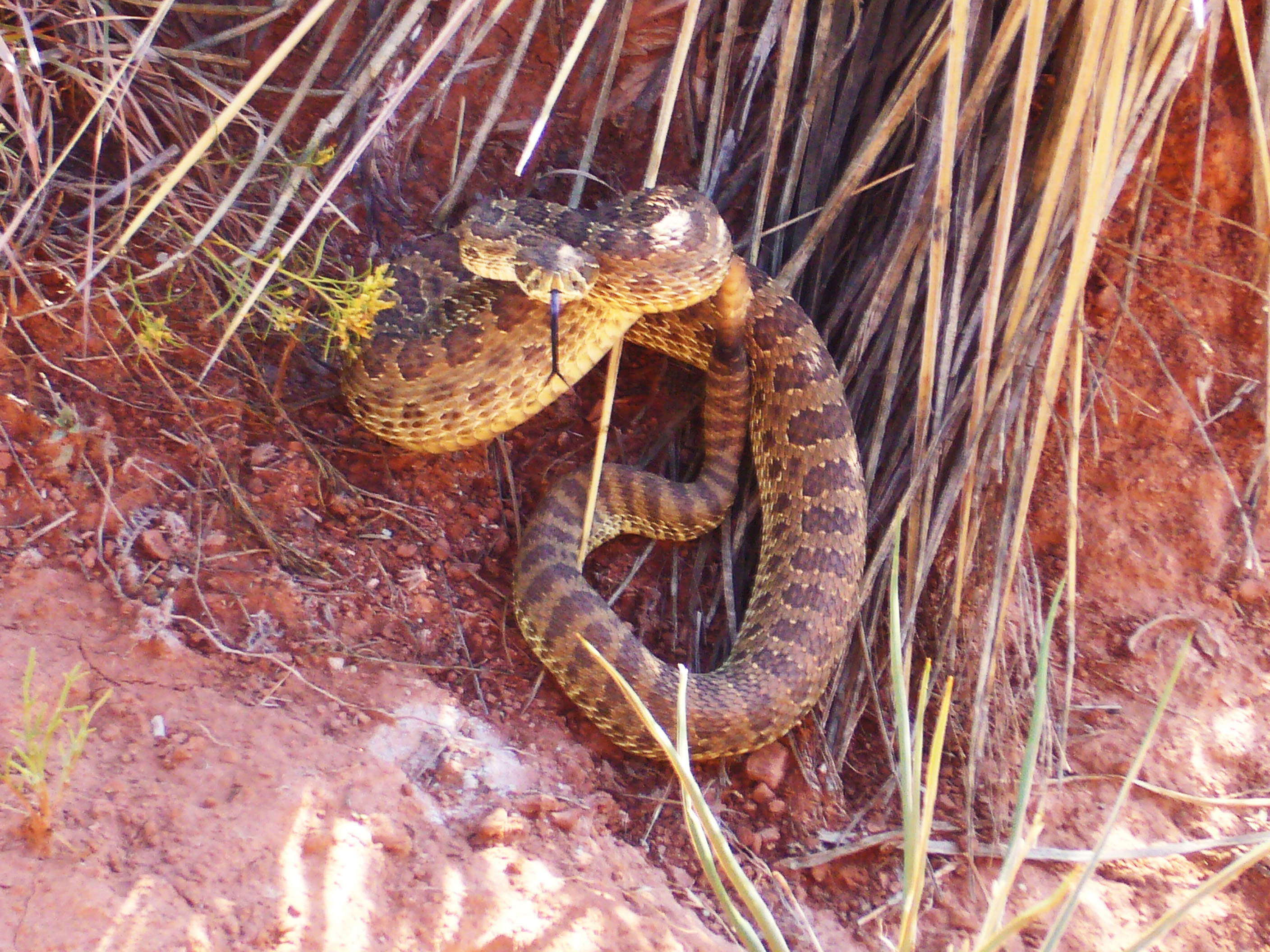
Another one from Rattled in the Black Hills (September 2008).  This is admittedly not the best photo from a purely technical perspective – it’s a little out of focus, and the color is a bit off.  However, no photo could better convey the moment – confronted with a live, angry prairie rattlesnake (Crotalus viridis) (among the more aggressive species in the genus).  The forked tongue and rattle – blurred in motion – were icing on the cake.

Best wildflower

Victoria Glades

From Glades of Jefferson County (July 2008).  I had several wildflower closeups to choose from, but I kept coming back to this field shot of pale purple coneflower (Echincea simulata) and Missouri evening primrose (Oenethera macrocarpa).  The eastern redcedars (Juniperus virginiana) in the background are at once indicative of their preferred habitat (limestone/dolomite glades) and also testament to their threatening encroachment.

Best tree

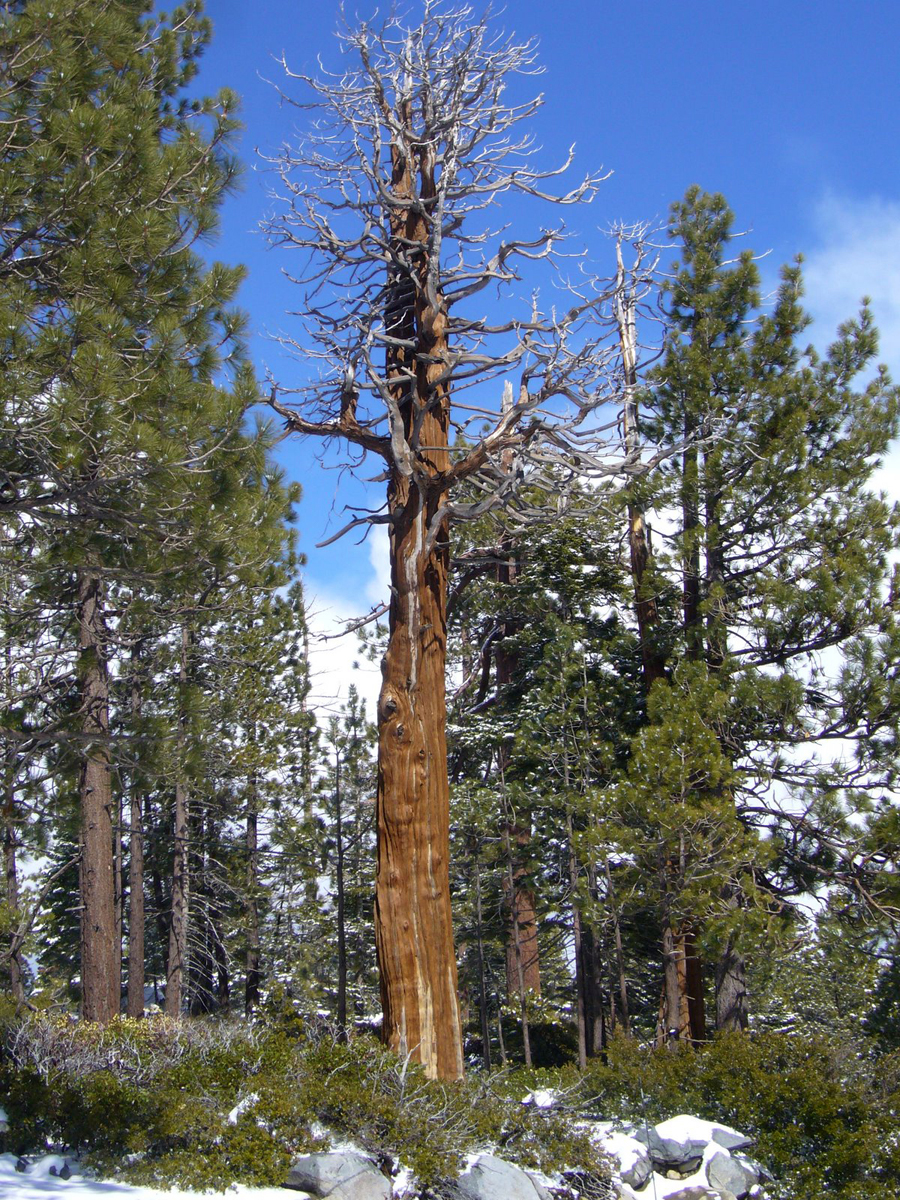
Calocedrus decurrens

From the very simply and aptly named Lake Tahoe, California (March 2008).  Incense cedar (Calocedrus decurrens), with its reddish, deeply furrowed bark and great height, is one of the most majestic of western conifers.  I was captivated by this tree – beautiful even in death and contrasting nicely with the surrounding green foliage.

Best rockscape

Pipestone National Monument, Old Stone Face

From Pipestone National Monument (April 2008).  “Old Stone Face” is one of Pipestone’s most recognizable geologic features, and the short angle of the sun on this early spring day provided nice detail to the cracks and fissures of the rock – almost appropriately adding a weathered “age” to this old man.

Best landscape

Emerald Isle, Lake Tahoe

Another one from Lake Tahoe, California (March 2008).  Few places on earth are more photogenic than Lake Tahoe, and this perspective overlooking Emerald Bay is among the finest views I’ve seen.  Brilliant blue skies and majestic snow covered mountains reflected perfectly from the still surface, with Fannette Island providing a perfect focal point for the photo.

Best miscellaneous

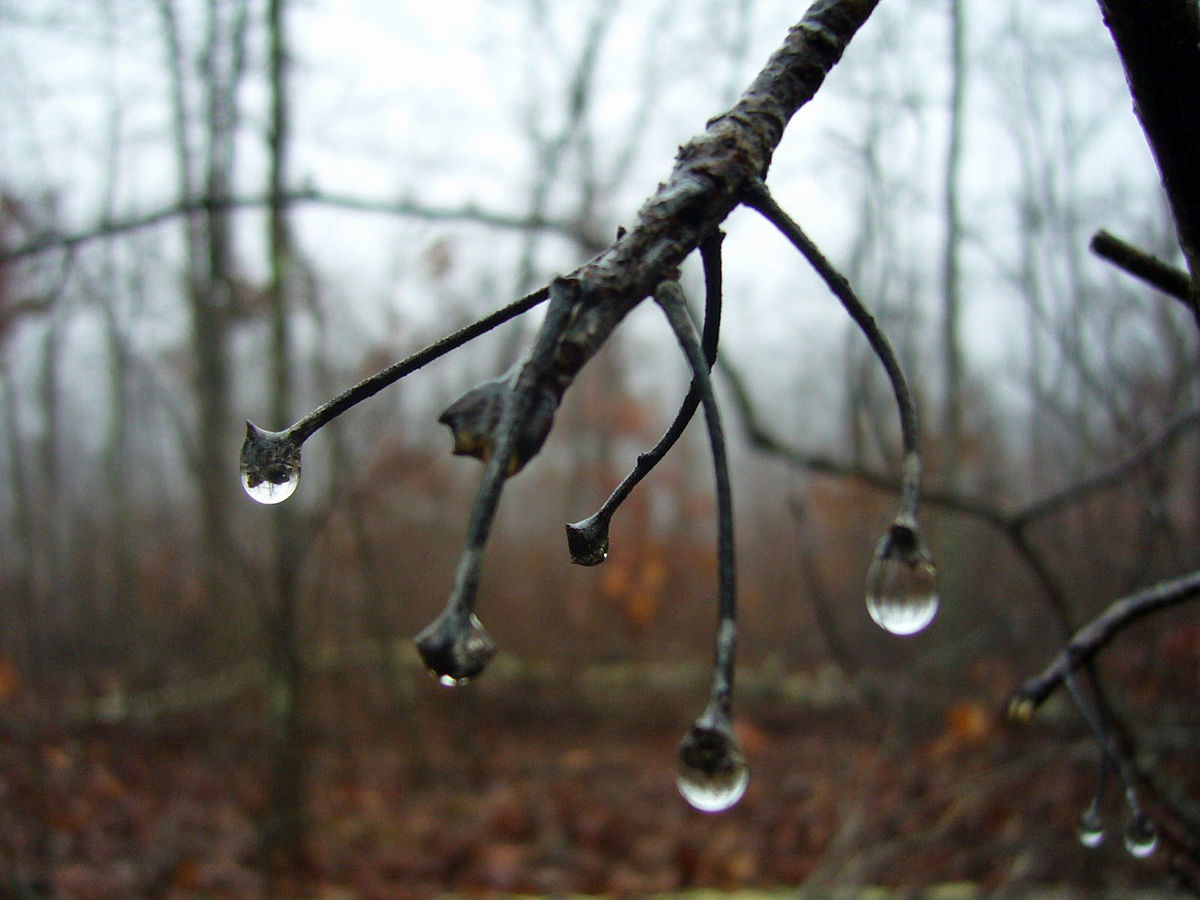
Water drops, Ozark Trail, Trace Creek SectionFrom Ozark Trail, lower Trace Creek Section (December 2007).  While technically not a 2008 photo, it’s close enough.  This was one of the first macro photographs I took with my camera, and it remains one of my favorites.  A chance occurence of an unlikely subject, created by cold temperatures and heavy moisture-laden air. I like the contrast between the water drops – sharp, round, and clear – with the vertical shapes of the leaf petioles and background trees.  Viewing the image full-sized reveals the reflection of the photographer in the leftmost water drop.

Subsequent edit: Okay, so after I put this post together, I realized I actually featured eleven photos – too much difficulty choosing, I guess. Let’s call it a baker’s ten.

Cicindela lengi vs. Cicindela formosa

Back to beetle blogging – I hope everyone enjoyed their holiday break as much as I. One of the tiger beetles that I most hoped to see on my trip to Nebraska and South Dakota last September was Cicindela lengi (blowout tiger beetle). This is another one of the several tiger beetle species confined to dry sand habitats in the central/northern Great Plains (Pearson et al. 2006). Its common name would suggest it prefers sand blowouts, the most barren of dry sand habitats and where the co-occurring C. limbata (sandy tiger beetle) can be found. In reality, it also can be found in slightly more vegetated habitats such as dune margins, sand flats, and sandy roadsides along with the much more common C. formosa (big sand tiger beetle) and C. scutellaris (festive tiger beetle). It can also be found occasionally on sand bars along rivers, where the aptly-named C. lepida (ghost tiger beetle) is likely to occur, and in the northern part of its range it even inhabits boreal coniferous forest along sandy roadsides.

Cicindela lengi lengiDespite its relatively loose habitat requirements, C. lengi is not a common species. In Nebraska it may be locally abundant (Spomer et al. 2008), and while planning my trip I was fortunate to get a specific locality from Steve Spomer and Matt Brust for one of these localized populations in far northwestern Nebraska. [Happily, that locality was very close to the locality where I would be looking for another priority species for the trip, C. nebraskana (prairie long-lipped tiger beetle)]. The site – a sandy roadside embankment – was characterized by a very fine-grained sand, which Matt Brust tells me the species appears to favor over the coarser-grained sands more typical of the Sandhills to the east. Success did not come easily – when no adults were seen at the site after two consecutive days of searching, I hedged my bets and extracted larvae that I hoped would represent this species for an attempt at rearing them out to adulthood in the laboratory. Persistence paid off, however – a hunch told me to make one more visit to the site after a couple days in the Black Hills, with two adults (and another C. nebraskana!) being my reward.

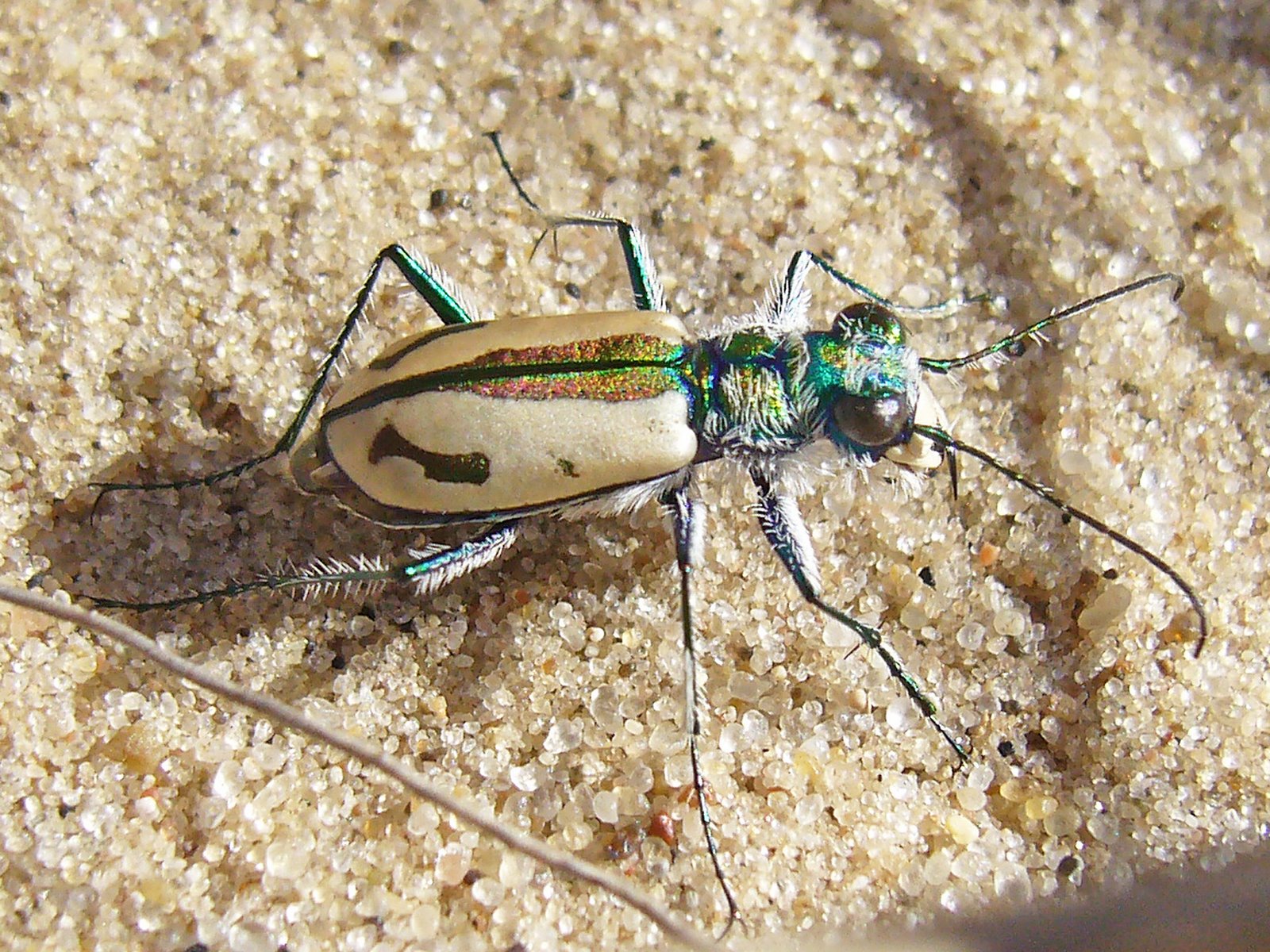
The individual shown in the above photo was an unexpected surprise. It was captured a day later in the Sandhills proper at a locality where I expected to see not this species, but C. limbata (which I did succeed in finding at a nearby locality – see “Cicindela limbata – epilogue“). When I first saw this individual, I thought it was the ever present C. formosa (pictured below), which it greatly resembles and which, along with C. scutellaris, occurs commonly in suitable sand habitats throughout the Sandhills. Cicindela formosa formosaSomething about the way it flew gave me pause, however, and after capturing and looking closely at it in my hand I realized what it was. Cicindela lengi is distinguished from C. formosa morphologically by its slightly narrower form and longer, narrower labrum, but the quickest field identifier is the obliquely straight humeral marking (“C”-shaped in C. formosa). There are subtle behavioral differences also – both species are alert and quick to fly, but C. lengi lands quickly after a short flight, whereas C. formosa flies further and tends to land with a comical bounce and tumble or two across the sand. Cicindela lengi and C. formosa are not closely related despite their similar appearance – the former is assigned to subgenus Cicindela (Tribonia), while the latter is assigned to the nominate subgenus. The individual pictured above represents the nominate C. lengi lengi – populations north of Nebraska and Colorado exhibit a distinct coppery underside to the thorax and are assigned to subspecies C. lengi versuta, while populations in the southwestern part of its range show broadly coalesced elytral maculations and are assigned to subspecies C. lengi jordai.

REFERENCES:

Pearson, D. L., C. B. Knisley and C. J. Kazilek. 2006. A Field Guide to the Tiger Beetles of the United States and Canada. Oxford University Press, New York, 227 pp.

Spomer, S. M., M. L. Brust, D. C. Backlund and S. Weins. 2008. Tiger beetles of South Dakota & Nebraska. University of Nebraska-Lincoln Special Publication, 60 pp.

You messin’ with me?

Cicindela formosa formosa

This is another one of the tiger beetles I brought back alive from the Sandhills of western Nebraska since I was unable to get any good photographs of this species in the field.  If this photo looks familiar, you may recall this headshot of another individual, representing the eastern subspecies (Cicindela formosa generosa), that I took back in September in southeast Missouri.  Compare the two photos to see the distinctly reddish dorsal coloration of nominotypical C. formosa versus the darkened coloration of C. formosa generosa.  Nominotypical C. formosa also has a much more violaceous ventral coloration.

If this guy looks a little angry, it’s because he is! I had prodded and poked him for some time by the time this photo was taken, trying to coax/force him away from the edge of terrarium in which I had him confined.  Every time I thought I had him sitting still in a good position, he would run suddenly and make a beeline to the edge – a most unphotogenic place.  He even reached up a few times, seemingly out of shear frustration, and bit at my finger while I tried to push him back away from the terrarium wall (talk about biting the hand that feeds you!).  Finally I got him sitting still in the middle of the terrarium – his half-cocked mandibles suggesting exhaustion or rage, or maybe both.

Like the Cicindela limbata individual from the same locality that I brought back alive for photographs, this little beast lived for 10 weeks in his terrarium before, ahem… donating his body to science.   Also like C. limbata, he amusingly reached up and grabbed caterpillars directly from the forceps almost every time one was offered.  I think my colleagues in the lab enjoyed feeding time as much as the tiger beetle!

Buppies in the bush(veld)

In writing an article for the most recent issue of SCARABS, I found myself reliving some long-dormant memories of my trip to South Africa. It was nine years ago right about this time of year when I made what was to become the collecting trip of a lifetime. What a completely different November/December experience compared to the gray skies and bare trees I see outside my window today. Writing that article was a lot of fun – going back through my slides (yep, slides – no digital for me then), reviewing material in my collection, and trying my best to recall some long forgotten details. Using a long-handled tropics net to collect Evides spp. from upper branch terminals of Lannea discolor at Geelhoutbos FarmOf course, scarabs were not my reason for going to Africa – buprestids were! Although I did manage to sneak a few buprestid photos into the SCARABS article, for the most part I was a good boy and kept my focus on the that newsletter’s intended subject. It wasn’t hard, given the gorgeous diversity of “dungers” (dung beetles) and flower chafers that I encountered in that spectacular country. Here, however, I offer a sampling of the Buprestidae I encountered during that trip.

Much of trip was spent in the bushveld (pronounced “bushfelt”) tropical savanna – a mix of grassland and semi-deciduous forest – below the rugged and rocky Waterberg Mountains, their rugged exposures of 2.7 billion year old sandstone and quartzite providing a spectacular backdrop. I’ve already posted a photo of Evides pubiventris, the largest and most spectacular buprestid seen there. A handsome, iridescent green that must be seen to be believed, these elusive beetles spend their days high off the ground on the upper branch terminals of their host trees, Lannea discolor. Success in collecting these beetles comes only to those willing to give it considerable effort. In this photo, I use a long-handled tropics net and tap the rim of the net on the undersides of the branch terminals. The adults are alert and quick to fly but often enough drop from the foliage into the net before taking flight. Many hours were spent during the several days we were at this spot with my neck craned upwards, but my efforts were richly rewarded with several specimens of E. pubiventris and the closely related E. interstitialis.

Agelia petalii - South Africa, Limpopo Province, vic. Waterberg Mountains, Geelhoutbos Farm, 30.xi.1999, on Grewia monticolaAnother of the more spectacular buprestids seen on the trip was Agelia petelii, a not too distant relative of Evides (both are in the subfamily Chrysochroinae, containing the bulk of the “classic” jewel beetles). Several individuals of this species were seen here in the Waterberg and also at Borakalalo National Park in North West Province. Their bold markings would seem to make them conspicuous targets for predation by birds but actually serve as protection by mimicking the warning coloration of Mylabris oculata, a common blister beetle in southern Africa that occasionally reaches pest status on leguminous crops and that is – like all blister beetles – largely protected from predation by the cantharidins in its hemolypmph. Many of these blister beetles were seen during the trip, and I had to pay close attention to each of them in order to secure my half dozen or so specimens of the much less common A. petelii.

Meliboeus punctatus - South Africa, Limpopo Province, 8.5 km S of Piesmoor River, 4.xii.1999, on unidentified Grewia-like shrubThis gorgeous little beetle, seen south of the Waterberg near the Piesmoor River, belongs to the enormously diverse but poorly known tribe Coraebini. This tribe – a cousin to the even more diverse genus Agrilus (see this post) – is represented by only a few species in North America but is richly represented in sub-Saharan Africa and Madagascar. Chuck Bellamy – my friend, colleague, and host during this trip – probably knows more about coraebines than anybody alive and has identified this as Meliboeus punctatus. The plant on which the beetles were found remains a mystery – it looks similar to plants in the rhamnaceous genus Grewia on which we saw so many other buprestid species but is clearly not a member of that genus. It is one of the few buprestids I collected on the trip for which I did not obtain host information (I hate that!).

Acmaeodera (Paracmaeodera) viridaenea swierstrae - South Africa, North West Province, Borakalalo National Park, along Moratele River, 24.xi.1999, on Grewia flava blossomThe genus Acmaeodera is another of the hugely diverse groups in the family, having radiated in all the biogeographic realms except Australian. This group is especially well represented in North America, with some 150 species occurring in our desert southwest and many more occurring down into Mexico. The vast majority of these are variously patterned with yellow and/or red markings on a black background. In southern Africa the genus is also diverse but shows greater diversity of form and has, accordingly, been divided into a number of well-defined subgenera. Like our North American species, adults of many African species are frequently found on flowers, where they feed on pollen and petals. I encountered at least a dozen Acmaeodera spp. on the trip, with one of the more striking species being A. (Paracmaeodera) viridaenea. Acmaeodera (Rugacmaeodera) ruficaudis - South Africa, South Africa, Limpopo Province, vic. Waterberg Mountains, Geelhoutbos Farm, 1.xii.1999, on Grewia flava blossomLike other species in this subgenus, adults are brilliantly colored and sexually dichroic, with the individual pictured here (above, left) being a female and the males being greenish brown with coppery sides. Other species are quite somber colored, such as A. ruficaudis in the subgenus A. (Rugacmaeodera) (right). Both of these individuals were found on flowers of Grewia flava.

Discoderoides immunitus - South Africa, South Africa, Limpopo Province, vic. Waterberg Mountains, Geelhoutbos Farm, 1.xii.1999, on Grewia flavaNot all “jewel beetles” do their name justice. This small species – Discoderoides immunitus (another member of the tribe Coraebini) – appears to resemble a piece of caterpillar frass. Several individuals were seen, all sitting on the leaves of Grewia flava like this individual rather than visiting the flowers like Acmaeodera. This beetle reinforced an important lesson I have learned repeatedly about field identification – upon my return to St. Louis, when I had an opportunity to examine these individuals more closely under the microscope, I found one specimen mixed in the batch that was, in fact, not this species, but a species in the closely related genus Discoderes. Moreover, that individual appears to represent an as yet undescribed species. Pity that I found only the single individual, since describing species from such uniques is not very desireable. Regardless, I’m glad I didn’t assume this individual was yet another D. immunitis in the field and pass it by – keeping the species in the still too-swollen ranks of the unknown and unseen.

One of the most exquisite species that I collected was Anadora cupriventris – a very large (by coraebine standards), heavily sculptured species densely covered with curled swaths of gold and brown pubescence. I regret not having the opportunity to photograph the single individual that I found. Another impressive species that I was not able to photograph was Agrilus (Personatus) sexguttatus, surely close to, if not the largest species in the genus and boldly patterned with black and rust red spots on olive green. One last species for which I have no images but is worthy of mention is an undetermined species of the genus Pseudagrilus. Looking like a chunky, brilliant green Agrilus with saltorial (jumping) metafemora, adults would “pop” off the Solanum plants on which they were found as soon as I looked at them. I eventually decided that “Flipagrilus” would have been a more appropriate name for the genus. All told, I collected some 66 species of Buprestidae, including several genera not previously represented in my collection (e.g., Brachmaeodera, Brachelytrium – a few becoming paratypes of new species then being described by Chuck Bellamy and Svata Bílý, Chalcogenia, Galbella, and many of the other above mentioned species). I should mention the assistance of Chuck and Svata for helping me with some of the identifications, as well as Gianfranco Curletti who identified all of the material in the difficult genus Agrilus. I sincerely hope that I have another chance to visit this incredible land of beauty and contrast!

Cicindela limbata – epilogue

In my Lucky 13 post, I featured Cicindela limbata (sandy tiger beetle) from north of Grand Island, near the easternmost edge of the Nebraska Sandhills. This species is restricted to dry sand blow out and dune habitats away from water, thus its distribution in Nebraska largely coincides with that of the Sandhills themselves. Nebraska populations are assigned to the nominate subspecies, which is characterized by extensively developed white maculations on the elytra, Nebraska, Grant Co., nr. Hyannis, 3.4 mi S Hwy 2 on Hwy 61, 26.ix.2008, coll. T.C.MacRaewith the sutural area and small discal markings metallic green or blue. The whitish areas on the elytra and dense pilosity on the undersurface, along with their habit of digging into the sand during the midday hours, are obvious adaptations for reflecting heat and avoiding the high temperatures that occur in their white sand habitats. In the more eastern areas of the Sandhills, the green sutural areas of the elytra are suffused with a reddish cast (see this photo in Lucky 13), while in populations further to the west no such reddish suffusion is seen. The individual featured in these two photos was found in the western Sandhills (near Hyannis) and is one of the individuals that I dug from their midday burrows (see Sand Hills Success). Had I not been clued into this behavior when I visited this site, I would have left with only the single individual that was seen at the surface. That individual was captured immediately, and further searching for active adults to take photographs of were unsuccessful – until I started digging, that is. Unfortunately, adults that have just been caught or dug out of their burrows aren’t the most cooperative photography subjects, so one of them was kept alive and placed in a terrarium upon my return to St. Louis. (These photos were taken about a week after I returned, and the individual lived for another seven weeks on a diet of 3rd instar fall armyworm and black cutworm larvae. I eventually trained it to grab larvae directly from the forceps – very entertaining indeed! Also, while these photos from the terrarium confines are adequate for illustrating the species, I think they still lack that undefinable spark that is caputured in true field photographs with unmanipulated individuals – compare to this photo).

Cicindela limbata, with its five recognized subspecies1, has one of the more interesting distributions of North American species (see Pearson et al. 2006). In the main area of distribution, the southernmost populations, distributed through most of Nebraska and adjacent areas of Wyoming and South Dakota, are considered nominotypical. A distributional gap to the north separates these populations from Nebraska, Grant Co., nr. Hyannis, 3.4 mi S Hwy 2 on Hwy 61, 26.ix.2008, coll. T.C.MacRaesubspecies nympha, which occurs in sand habitats of northern Montana and North Dakota and further northward into the Canadian Prairie Provinces. Individuals from these populations exhibit even greater development of the white maculations but darker intervening areas. Another distributional gap separates nympha from subspecies hyperborea, which (as its name suggests) occurs even further north in open sand habitats in the pine and poplar forests of northern Alberta and Saskatchewan and adjacent areas of the Northwest Territories. Subspecies hyperborea is characterized by its greatly reduced white maculations (thus, exhibiting expanded dark areas) and overall smaller size, both of which may be regarded as heat conservation adaptations for the far boreal climate in which it lives.

1 Excluding the federally endangered Cicindela albissima (Coral Pink Sand Dunes tiger beetle), which was recently elevated to species status based on mitochondrial DNA evidence (Morgan et al. 2000).

The fragmented nature of the main limbata population in the upper Great Plains and into the boreal forests is, in itself, interesting enough. Even more interesting, however, are the existence of two small and highly disjunct populations far removed from the main limbata population. One of these is known from Labrador – almost 3,000 miles to the east! Originally referred to subspecies hyperborea, this population was theorized to possibly represent an accidental introduction since individuals appeared to be restricted to open sand habitats within 70 km of the Goose Bay airport (Larson 1986, Pearson et al. 2006). However, careful examination of individuals from this population revealed subspecific differences in maculation (intermediate between hyperborea and nominotypical limbata), lending support to the hypothesis that it is a naturally occurring population and resulting in its description as a distinct subspecies, labradorensis (Johnson 1990). Recent analysis of mitochondrial DNA sequences provided additional support for this subspecies as a distinct entity (Knisley et al. 2008), and newly published field observations by tiger beetle afficionados Dave Brzoska and John Stamatov (2008) conducted 19 years after the initial discovery of the population suggest it is well established in suitable habitats much more distant from Goose Bay than originally reported. This accumulation of evidence seems to increasingly support a historical isolation rather than accidental introduction hypothesis. The fifth and final subspecies is an even more recently discovered and equally disjunct population in the Nogahabara Dunes of northwestern Alaska (Pearson et al. 2006). Although individuals from this population resemble subspecies nympha, morphological and mitochondrial DNA sequence analyses support its status as a distinct subspecies, designated nogahabarensis (Knisley et al. 2008). Such an unusual and fragmented distribution for Cicindela limbata and its subspecies is likely the result of historical changes in climate that have caused expansions and contractions of open sand habitats due to fluctuations in available moisture. The current geographical subspecies may have originated at the end of the mid-Holocene hypsithermal (or Holocene Climatic Optimum) some 5,000 years ago, when previously expansive open sand habitats would have begun shrinking and fragmenting as a result of declining temperatures and increasing moisture regimes.

REFERENCES

Brzoska, D. W. and J. Stamatov. 2008. A trip to Goose Bay, Labrador, Canada. Cicindela 40(3):47-52.

Johnson, W. 1990. A new subspecies of Cicindela limbata Say from Labrador (Coleoptera: Cicindelidae). Le Naturaliste Canadien 116(4) [dated 1989]:261-266.

Larson, D. J. 1986. The tiger beetle, Cicindela limbata hyperborea LeConte, in Goose Bay, Labrador (Coleoptera: Cicindelidae). The Coleopterists Bulletin 40(3):249-250.

Knisley, C. B., M. R. Woodcock and A. Vogler. 2008. A new subspecies of Cicindela limbata (Coleoptera: Cicindelidae) from Alaska and further review of the maritima group by using mitochondrial DNA analysis. Annals of the Entomological Society of America 101(2):277-288.

Morgan, M., C. B. Knisley and A. Vogler. 2000. New taxonomic status of the endangered tiger beetle Cicindela limbata albissima (Coleoptera: Cicindelidae): evidence from mtDNA. Annals of the Entomological Society of America 93(5):1108-1115.

Pearson, D. L., C. B. Knisley and C. J. Kazilek. 2006. A Field Guide to the Tiger Beetles of the United States and Canada. Oxford University Press, New York, 227 pp.

“My favorite bettle”

Today’s essay is by guest blogger (and perhaps future entomologist), Madison MacRae. Currently a 3rd grade student at Pond Elementary School, Madison’s interests include ice skating, tetherball, basketball, piano, dancing, singing, and hiking/bug collecting with her dad. Next year they will be something else. Madison would like to be a grade school teacher when she grows up. She would also like to be a nurse… and a fire fighter… and a football player. This is Madison’s second guest contribution to Beetles In The Bush, the first appearing on February 6, 2008 where she discussed the job responsibilities of a professional entomologist. For today’s contribution, Madison will be discussing one of the insects she saw on a visit to Missouri’s sand prairies back in early September [Ed. note: the insect in question appears to be an intergrade population of Cicindela scutellaris, characterized by their green coloration (unicolor influence) with variable maculation (lecontei influence)]. The original article was submitted as school work (with no prompting or prior knowledge by her dad!) and is reprinted here by the kind permission of its author.

MacRae, M. I.  2008.  My favorite bettle.  Privately published, 1 p., 1 color pl.