We Are Here: The Pale Blue Dot

This has been around for awhile, but its message is more relevant now than ever. The Pale Blue Dot is a photograph of the planet Earth taken in 1990 by Voyager 1 from a record distance of 6.4 billion kilometers – a distance that is at once incomprehensible, yet insignificant by cosmic standards. The idea for photographing the Earth against the vastness of space came from the incomparable Carl Sagan – perhaps the most eloquently articulate science communicator of our time. Sagan met resistance for arranging the photograph but was ultimately successful, and he later (1994) wrote a book by the same name in which he provides a humbling description of our planet, our place, and our future. Sagan’s haunting yet inspiring narration in the 6-min video below provides appropriate perspective in this time of change and renewed optimism for tackling the significant global challenges that confront us. Credit goes to Andy Holroyd, Yorkshire, U.K., author of Trousers To Grow Into (a marvelous blend of “science, music and stuff”) for reminding me about this timeless video.

Vodpod videos no longer available.

more about “We Are Here: The Pale Blue Dot“, posted with vodpod


Lions in South Africa

Joerie, Joerie, botter en brood,
as ek jou kry, slaat ek jou dood.

Doodlebugs, joerie, shunties, toritos—these are but a few of the many colloquial names given to amusing little creatures that many people know simply as antlions (or translation of such) (Swanson 1996).   Larvae of winged insects resembling (but unrelated to) dragonflies, they are best known for their habit of digging smooth-sided, cone-shaped pits in sandy soils and concealing themselves under the sand at the bottom.  There, they lay in wait for some small, unsuspecting creature—often an ant—to fall into the pit.  When that happens, the hidden antlion bursts forth, using its oversized, sickle-shaped mandibles to “flick” sand at the prey to keep it sliding towards the bottom of the hole.  Once it is within reach, the antlion grabs the prey using those same, deadly mandibles (how delightfully morbid!).  So otherworldly is their appearance and behavior that, in addition to inspiring children’s charms, they have served as an unmistakable model for the “Ceti eels” featured in Star Trek: The Wrath of Khan!1  Adults of this group, on the other hand, have inspired far less imagination in nomenclature and culture, to the point that even their common name “antlion lacewing” is merely a reference back to their unusual larvae.  Even the scientific name of the family—Myrmeleontidae—has failed to garner complete adherence, with “Myrmeleonidae” (who needs the “t”?) and “Myrmelionidae” (perhaps from English-speakers focused on the English spelling of “lion” rather than the Latin spelling of “leo”) still appearing in popular and even scientific literature.

1 Sadly (and ironically), actor Ricardo Montalban, who played the villain Khan Noonien Singh in that movie (reprising a character he played 15 years earlier during the debut season of the Star Trek television series), died just eight days ago at the age of 88. I must confess that I am a life-long Star Trek fan (though not a “Trekkie”), and “Wrath” was certainly among my favorite of the movies, due in large part to Montalban’s steely, venomous portrayal of Kahn. My favorite line occurs as Kahn is about to put a Ceti eel in Chekov’s ear, explaining how they wrap themselves around the victim’s cerebral cortex. He then says, “Later, as they [pauses deliciously] grow…”

myrmeleontidae-larval-pitI’ve seen antlion pits on several occasions (especially in recent years as I’ve spent more time in open sand habitats searching for my beloved tiger beetles).  However, the pit pictured here—encountered at Borakalalo National Park in South Africa’s North West Province, was the first I’d ever seen in which there was actually an ant inside the pit.  The ant was dead, presumably having already been sucked dry by the joerie. I didn’t know it at the time, but southern Africa is a major evolutionary center for antlion lacewings and some of their striking relatives such as spoonwinged and threadwinged lacewings (family Nemopteridae) and silky lacewings (family Psychopsidae) (Grimaldi & Engel 2005).  Relatively few of South Africa’s antlions, however, actually dig pits—a habit restricted to species in the genera Hagenomyia, Cueta, and the cosmopolitan Myrmeleon (Scholtz & Holm 1985).  Rather, the majority of species have free-living larvae that hide under objects or roam under deep sand from where they emerge to hunt other insects.

Palpares lentusThis adult antlion lacewing came to an ultraviolet light at our encampment on the Geelhoutbos farm near the Waterberg Range (Limpopo Province). Its tremendous size and distinctly patterned wings placed it in the tribe Palparini, of which the genus Palpares is the most diverse. These are the true giants of the family, with forewing lengths that can reach 75 mm (that’s 3 inches, folks!) and both wings bearing conspicuous patterns of black and yellow markings (the yellow doesn’t show well in this photograph due to illumination by the ultraviolet light).  The larvae, understandably, are also quite large, and have even been observed to capture ground resting grasshoppers (Capinera 2008).  I sent this photograph to Dr. Mervyn Mansell, an expert on African Myrmeleontidae, who kindly identified the individual as a female Palpares lentus, endemic to northern South Africa and Zimbabwe. When queried for more information regarding its biology, Dr. Mansell responded:

We know nothing about P. lentus, except for distribution records. Nothing is known about its larva or biology, although the larvae of all Palpares and related genera are obviously large, and live freely in sand well concealed and almost impossible to find.

Palpares lentus is one of 42 species of Palparini in southern Africa—half of all known species in the tribe.  Nearly two-thirds of them are endemic to “open” biomes in the dry western parts of the subregion (Mansell & Erasmus 2002).  This high level of endemism results from the occurrence of large tracts of sand and exposed soil that are conducive to the large sand-dwelling larvae.  Eastern parts of the subregion containing forest or thicket biomes are not as favored by antlion lacewings, and consequently the diversity of species in these areas is much lower.  Because of their great size, palparine adults are especially vulnerable to predation, with the result that they have evolved elaborately patterned wings to enhance their camouflage—apparently an adaptation to the dappled shade provided by the fine-leafed plants found in these biomes.  While many species in the tribe are diurnal, a few in the related genus Palparellus pulchellus and P. ulrike are known to be attracted to light, spending the day resting concealed amongst vegetation. The attraction of this individual to our ultraviolet light suggests Palpares lentus has similar habits.

Everything you want to know about antlions can be found at Mark Swanson’s excellent website, The Antlion Pit. For information specific to Africa, Mervyn Mansell has assembled a checklist of The Antlions (Neuroptera: Myrmeleontidae) of South Africa, and a nice summary of antlions in Kruger National Park by Dave Rushworth can be found at Destination Kruger Park. I thank Dr. Mansell for his identification of Palpares lentus.

REFERENCES:

Capinera, J. L. (ed.).  2008. Encyclopedia of Entomology, 2nd Edition. Springer, Dordrecht, The Netherlands. 4346 pp.

Grimaldi, D. and M. S. Engel. 2005. Evolution of the Insects. Cambridge University Press, New York, xv + 755 pp.

Mansell, M. W. and B. F. N. Erasmus. 2002. Southern African biomes and the evolution of Palparini (Insecta: Neuroptera: Myrmeleontidae). Acta Zoologica Academiae Scientiarum Hungaricae 48 (Suppl. 2):175–184.

Scholtz, C. H. and E. Holm (eds.). 1985. Insects of Southern Africa. Butterworths, Durbin, South Africa, 502 pp.

Swanson, M.  1996. The Antlion Pit: A Doodlebug Anthology. http://www.antlionpit.com/

Welcome new insect/invertebrate enthusiasts

Some of you may have noticed my greatly expanded (and categorized) sidebar links listings.  I’d like to welcome the following insect & invertebrate-focused sites, all of which offer unique perspectives on the fascinatingly diverse world of spineless creatures.  Rather than write my own descriptions, I’ve decided to let the authors say it in their own words by using the descriptions they submitted to Nature Blog Network.  I hope my readers will take the opportunity to visit each of these sites and explore their offerings.  I also hope my new blogroll members will take the opportunity to visit the sites that have long been listed here, not just those under “Insects & Invertebrates” but in other categories as well.  Their listings may have never been formally acknowledged, but they are well-deserved nonetheless.

A Bug’s Eye View. The seen and unseen beauty of the Earth at our feet.

Amphidrome. An aspiring researcher’s musings on freshwater ecology, biogeography, invasion biology, and phylogenetics — plus monstrous waterfall-climbing shrimp.

Backyard Arthropod Project. Documenting just the arthropods I can find on our property (a 9-acre parcel in Michigan’s Upper Peninsula, with a somewhat drafty old farm house). This restriction does not limit the number of subjects nearly as much as one might think.

Butterflies of Singapore. Photo blog on nature and entophiles macro entophiles photography. Borneo in pictures. Photo of interesting places and landmark in Sabah and Sarawak. Photo of exotic and rare Borneo wildlife and plants.

Larval Images. Images (and often discussion & latest science) of larval forms. No politics and no direct developers here.

Moth Mania. This blog is solely about moth sightings in Singapore.

Nature’s Place. The place of nature in the spiritual life, using essay and photographs to illustrate, inform, engage and entertain.

Urban Dragon Hunters. The search to document dragonflies, damselflies, and other insects in urban areas and around the world.

RWS Photo Blog. Celebrating Nature’s Flying Jewels – Butterflies. Useful information on butterfly photography, early stages, conservation and biodiversity in Singapore and the region.

The observant among you will also note the new “Evolution & Systematics” category, where long time stalwarts Catalogue of Organisms and Evolving Complexity are joined by new blogroll members Afarensis, Greg Laden’s Blog, John Hawks Weblog and Pharyngula (to indulge my armchair systematic, evolutionary and paleoanthropological  interests), and Voyages Around My Camera joins my list of esteemed nature/insect photographers as well.

The “buzzard signal fly”

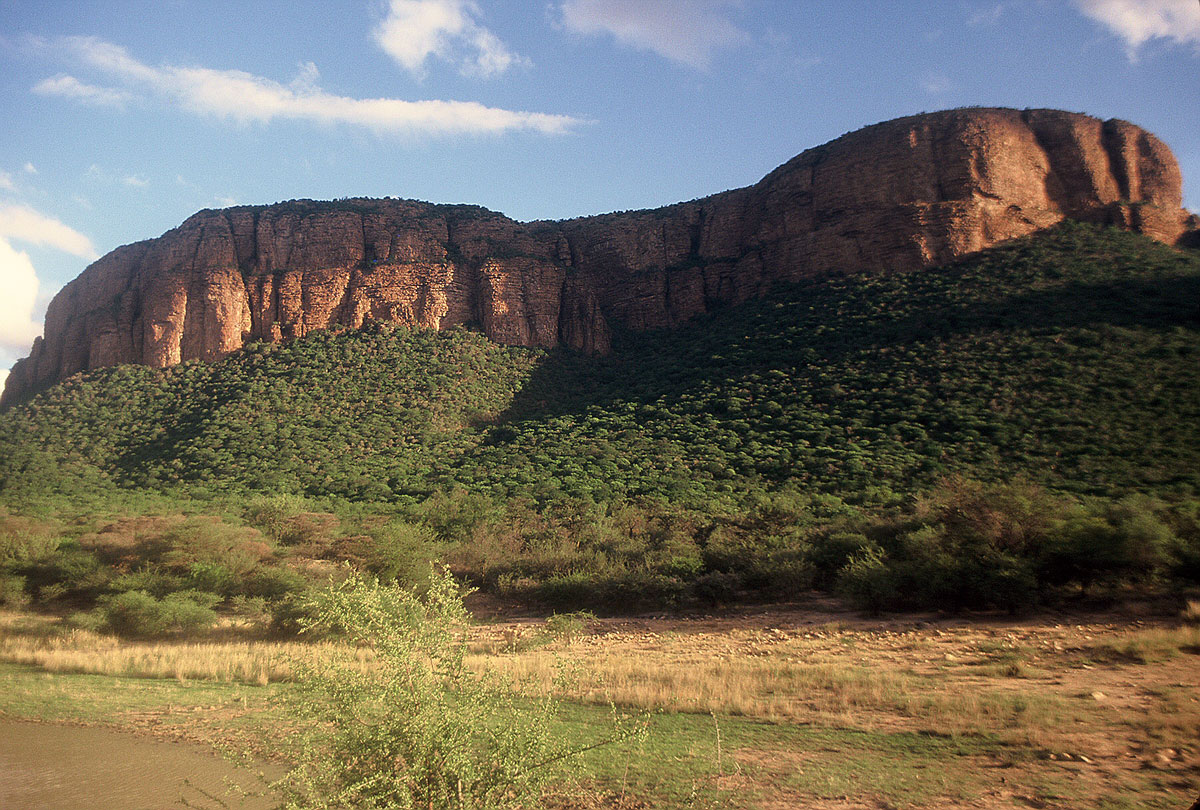
Waterberg RangeDuring our time at Geelhoutbos farm in South Africa’s Northern (now Limpopo) Province, we spent most of our time in the foothills below a magnificent north-facing escarpment of the Waterberg Mountain Range. We were here to collect Buprestidae (including the magnificent Evides, featured previously in this post), and it was in the low bushveld woodland where the greatest diversity of buprestids would be found. Many of the buprestids we encountered were associated with the acacias that abundantly dotted the landscape – especially the iconic “umbrella thorn” (Acacia tortilis) and “sweet thorn” (Acacia karoo), providing sustenance for everything from bitsy beetles (including our beloved buprestids) to giant giraffes. Still, I kept eyeing the mountains, yearning to clamber up on top of the billion year old massif for no other reason than because it was there. Chuck had the good sense to stay down below amongst the acacias and buprestids while I spent an afternoon winding my way up the escarpment in the company of our hostess, Susan Strauss. I didn’t collect many buprestids during that trek, and if success is measured solely by numbers of buprestids collected then Chuck won. But if success also includes the chance to see spectacularly endless vistas from an otherworldly landscape on a once in a lifetime trip, then I didn’t do too badly.

Bromophila caffra

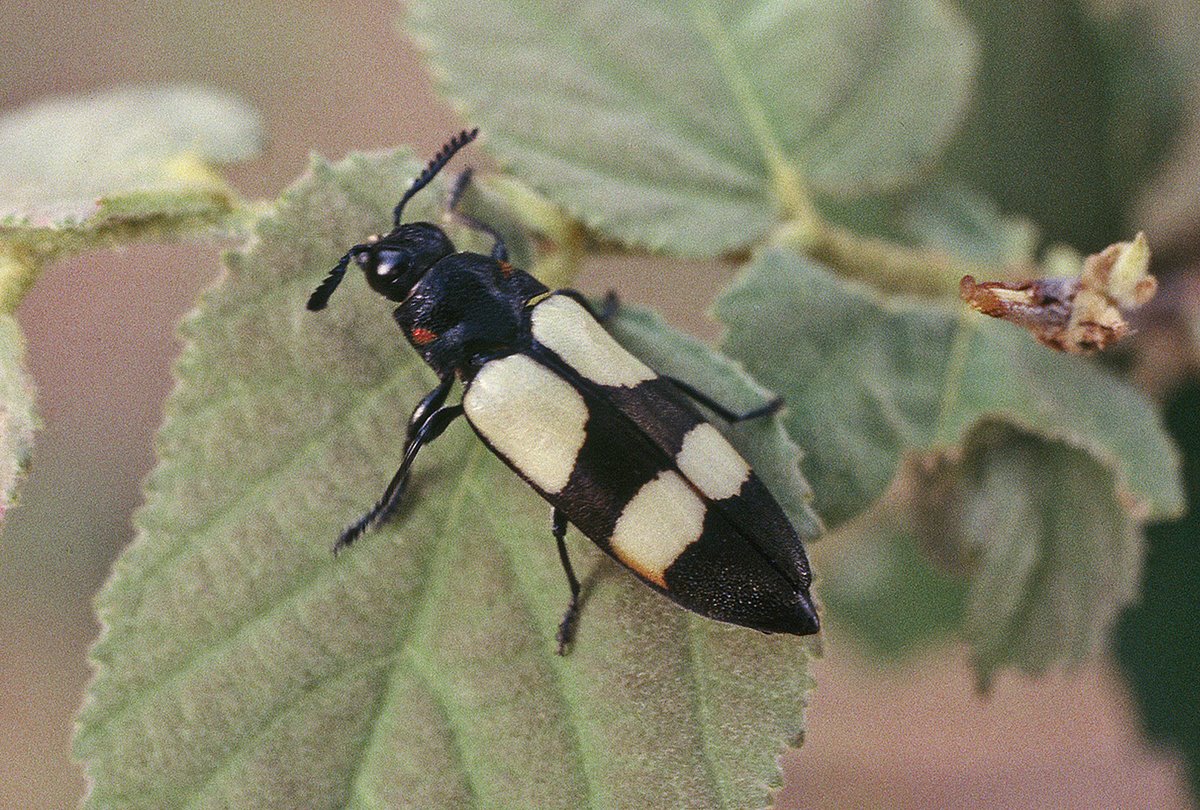
While I didn’t see many buprestids during that afternoon, I did see a few other insects interesting enough to attract my attention and maybe an attempt at a photo. This stunning fly was one of those insects. Even though it exceeded a full inch in length, it still wasn’t the largest fly I had ever seen. However, with its black body, metallic blue wings and large, round, wax-red head it was certainly among the most impressive. A quick scan through my recently acquired Field Guide to Insects of South Africa (Picker et al. 2002) has at last identified this fly as Bromophila caffra. It is a member of the family Platystomatidae, commonly known as signal flies and part of the great superfamily Tephritoidea of fruit fly fame (i.e., true fruit flies – not “the” fruit fly which belongs to the family Drosophilidae and which are more properly called vinegar flies).

Signal flies are interesting on several fronts, firstly because of their catholic tastes – Sivinski (1999) records rotting tree trunks, bulbs, roots and fruit, dried flowers and dead grass stems, dung and fungus as breeding sites, and notes – gruesomely – that mass graves dug in World War II sometimes produced huge numbers of the species Platystoma lugubre. It is some of the Australasian species, however, that have truly made a name for this family. In the tropical rainforests of Guinea and Queensland, males of many species exhibit modifications of their heads that are used in agonistic interactions with sexual rivals. These vary from broadening of the face into a surface used to push against the face of another male, to extremely well-developed stalk eyes used to gauge rival male’s size and strength in face to face combat.

But what about Bromophila caffra? Aside from being one of the most recognizable of flies in Africa, it’s sluggish disposition and apparent noxiousness were obvious even to early naturalists. Marshall (1902) noted the similarity of its coloration (black body, blue wings, red or yellow head) to that of two Pompilus spp. and one sphecid wasp with which it occurred sympatrically. Regarding its habits, he also noted:

The Bromophila fly is very plentiful; it is the most sluggish fly known to me, and settles about on trees and bushes in a very conspicuous manner. It ejects a yellow liquid from the mouth when handled, and was refused when offered to my baboons and Cercopithecus monkey.

Andrew Whittington, commenting on a photo of this species posted on DipteraInfo.com, provides further clues that seem to confirm the noxious qualities of this species, explaining not only its striking color and brazen habits but also the ease with which I obtained the above photograph:

Our knowledge of larval habits is very rudimentary. There appears to be an association with the roots of Terminalia trees (Combretaceae), from which the larvae sequester various toxic compounds (probably cyclic triterpenes) possibly for defense. This may render the adults toxic too, as a defense against predation – not a thoroughly tested hypothesis.
Adults are slow moving and ponderous … and photogenic!

I find it surprising that a large, strikingly distinctive, abundant insect such as Bromophila caffra should lack a common name, but it appears this is the case. None was given in Field Guide to Insects of South Africa, nor amongst the several South African wildlife and dipteran websites which I encountered featuring photos of this insect. In thinking about what common name Bromophila caffra could have, I can’t help but draw comparisons between this insect and the turkey vulture (Cathartes aura), or “buzzard,” of North America (despite their belonging to entirely separate phyla). Both species are among the larger members of their respective orders and make their living eating repulsive foodstuffs. Hulking black with naked, red, plastic-like heads, most predators regard them as too vile and noxious to bother with, leaving them free to pass their lives in unmolested disdain. With this in mind, I hereby propose “buzzard signal fly” as the official common name for this insect 😉

Additional photographs of Bromophila caffra can be seen at Joan Young’s fine blog, South African Photographs, and at Biodiversty Explorer, the web of life in Southern Africa. This is the fifth in a series of posts covering a natural history excursion to South Africa in November/December 1999. Click on “South Africa” under “Tags” to see links and summaries for other posts in this series.

REFERENCES:

Marshall, G. A. K. 1902. Five year’s observations and experiments (1896-1901) on the bionomics of South African insects, chiefly directed to the investigation of mimicry and warning colours. Transactions of the Entomological Society of London, 1902:287-584.

Picker, M., C. Griffiths and A. Weaving. 2002. Field Guide to Insects of South Africa. Struik Publishers, Cape Town, 444 pp.

Sivinski, J. 1999. Breeding habits and sex in families closely related to Tephritidae: Opportunities for comparative studies of the evolution of fruit fly behavior, pp. 23-39. In: M. Aluja and A. L. Norrbom [eds.], Fruit Flies (Tephritidae): Phylogeny and Evolution of Behavior, CRC Press, Boca Raton, 984 pp.

Tyrant ground beetles

I return to my Afrikaans theme with a distinctive group of ground beetles (family Carabidae) called tyrant ground beetles or spotted ground beetles (tribe Anthiini). I think I prefer the former. This tribe is largely restricted to Africa and is especially diverse and abundant in the arid, sandy Karoo and Kalahari regions of southern Africa (Scholtz & Holm 1985). These beetles are large, powerful predators that rely on speed and agility for capturing prey, and since they are also flightless these characteristics come in handy for avoiding becoming prey themselves. Failing that, they employ chemical defense in the form of secretions from a pygidial gland located in the area of the ninth abdominal segment. The chemical cocktail within these secretions contains concentrated organic acids or quinone that can be squirted at potential predators in a strong jet. This is an effective deterrent to small mammalian and avian predators, and I suppose a careless beetle collector might also regret handling these beetles without due respect. These defensive spray capabilities give rise to another common name for the group, “oogpister” – an Afrikaner word that literally translates to (ahem) “eye pisser.”

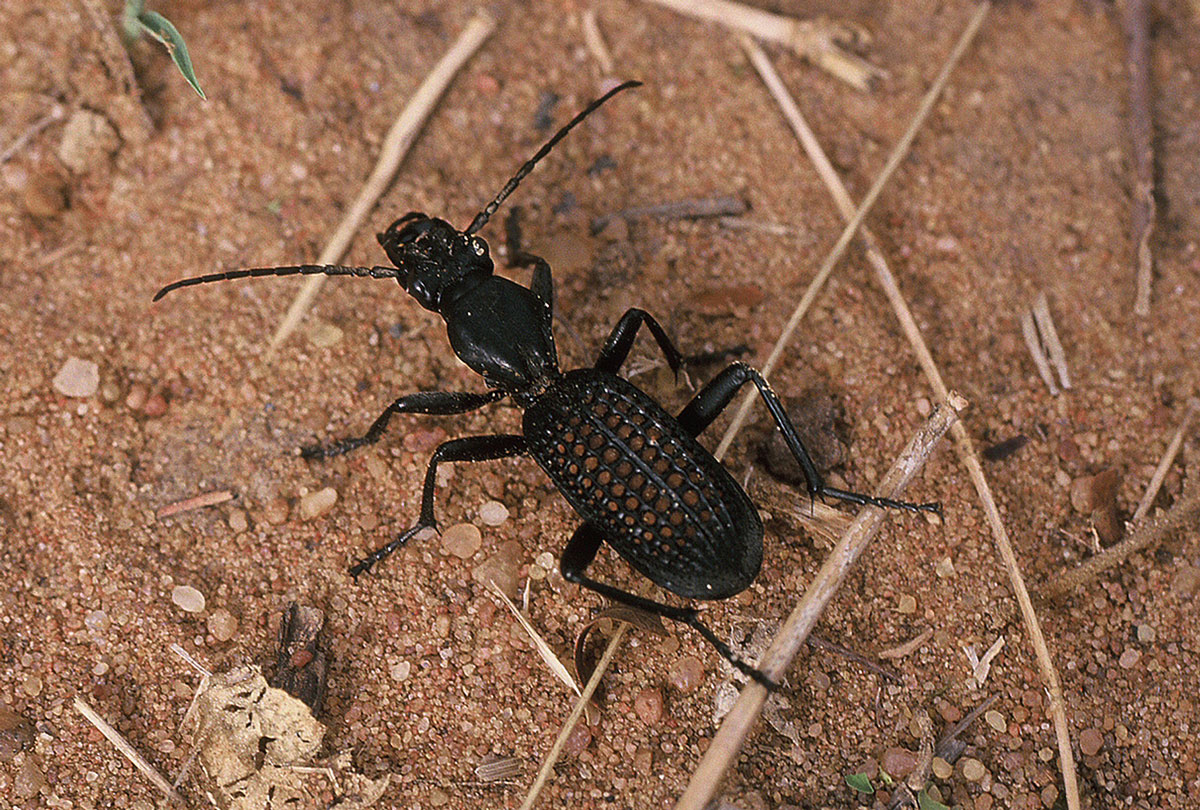
Anthia (s. str.) thoracicaDuring my time in Africa, Chuck Bellamy and I were primarily focused on collecting buprestids. However, we still couldn’t resist hanging an ultraviolet light in front of a sheet and searching the ground with flashlights at night to see what diversity of other African insects we might encounter. Truth be told, one of the non-buprestid groups that I’d really hoped to encounter was a near relative of these beetles – the so-called “monster tiger beetles” of the genus Manticora (family Cicindelidae1). We never did see any monsters, but we did encounter several species of anthiine ground beetles around our encampment at Geelhoutbos farm near the Waterberg Range in Limpopo Provice. Anthia (s. str.) thoracica, the giant African ground beetle (above), was the most impressive of these. Click on the photo to see a larger version – only then will it begin to convey how truly appropriate such a common name is for this species. It is certainly the largest ground beetle that I have ever seen – a full 50 mm in length! That’s 2 inches, folks! This species is easily recognized by the depressed lateral expansions of the pronotum covered with dense white/yellow pubescence, and the slightly smaller male that I caught exhibits more elongated mandibles (though not so incredibly as in Manticora) and marvelous lobes extending backward from the pronotum.

1 Increasingly placed within the Carabidae as subfamily Cicindelinae on the basis of molecular phylogenetic analysis, along with Paussinae and Rhysodinae (e.g., Beutel et al. 2008).

Anthia (Termophilum) omoplataIn addition to true Anthia, we saw two species of the subgenus Anthia (Termophilum)2. The species shown right is A. (T.) omoplata3, with the common name “two-spotted ground beetle” (Picker et al. 2002). It was almost as large as its giant brother above, measuring 47 mm in length. Of this species, I only saw this one individual, but I did also find two individuals of a related species, T. fornasinii. Unfortunately I was unable to photograph the latter species, which is equally large but with the elytral white markings limited to a thin marginal band and the surface of the elytra bearing strong longitudinal intervals – a handsome beast, indeed! Picker et al. (2002) mention T. homoplatum being a diurnal hunter, but we found all of our anthiines active nocturnally.

2 Treated variously in the literature as either a full genus or as a subgenus of Anthia. I follow Carabidae of the World, in which it is given subgeneric status. The name is often cited as “Thermophilum” in the literature, but this is an incorrect subsequent spelling according to Alexandre Anischenko (in litt.), coordinator/editor of Carabidae of the World.

3 Usually cited as “homoplatum” or “homoplata” in the literature, but this is an incorrect subsequent spelling (Anischenko in litt.).

cypholoba-alveolataA second genus in the tribe is Cypholoba, represented here by C. alveolata. As far as I can tell it lacks a common name, which is not surprising since it is somewhat smaller than the Anthia species mentioned above. Still, my two specimens measure 38 and 35 mm in length – not puny by any standard. There can be no doubt as to the origin of the specific epithet of this species’ scientific name, with its marvelously alveolate elytra. I don’t think I’ve seen such an extraordinary example of this type of surface sculpturing on a beetle of this size, making the species every bit as spectacular as the larger anthiines.

A truly fascinating aspect of Africa’s tyrant ground beetles is their role as models in Batesian mimicry systems. That these beetles should serve as models is not at all surprising due to their chemical defensive capabilities and obviously aposematic coloration. What is surprising is the mimic – juveniles of the lizard species, Eremias lugubris, in what is believed to be the first reported case of a terrestrial vertebrate mimicking an invertebrate (Huey & Pianka 1977). The juveniles not only copy (roughly) the black and white coloration of anthiine beetles but also mimic their rapid, skitty movements – foraging actively with “jerky” motions and arched backs. Their tails remain somber colored, however, allowing them to blend into the sand. These adaptations combine to give the harmless little lizard the size, color, profile, and gait of the beetles. As the lizards reach adulthood (and their greater size makes them less prone to predation), they take on a more typical cryptic coloration and move in a slower, more deliberately lizard-like manner. This mimicry association effectively reduces predation of the juveniles by potential predators, who quickly learn to avoid the noxious, and more frequently encountered, anthiine models.

REFERENCES:

Beutela, R. G., I. Riberab and O. R. P. Bininda-Emonds. 2008. A genus-level supertree of Adephaga (Coleoptera). Organisms, Diversity & Evolution, 7:255–269.

Huey, R. B. and B. R. Pianka. 1977. Natural selection for juvenile lizards mimicking noxious beetles. Science, 195 (4274):201-203.

Picker, M., C. Griffiths and A. Weaving. 2002. Field Guide to Insects of South Africa. Struik Publishers, Cape Town, 444 pp.

Scholtz, C. H. and E. Holm (eds.). 1985. Insects of Southern Africa. Butterworths, Durbin, 502 pp.

Review of Calodema and Metaxymorpha

ResearchBlogging.orgNylander 2008Insects are not only the most diverse group of animals in the world, they are also among the most beautiful.  Beetles, of course (with apologies to any lepidopterists that may be reading this), are responsible for a hefty slice of this majestic diversity, with the most spectacular of these belonging primarily to a few select families.  Longhorned beetles, who combine vibrant colors with grossly elongated antennae and legs.  Scarabs, upping the anty by sporting a monstrously wonderful array of horns or just sheer size to go along with their bright colors.  Tiger beetles, whose elaborate designs and vivid colors are further augmented with toothy-jawed, behavioral charisma.  Yet, it is the Buprestidae upon which the moniker “jewel beetles” has been bestowed, despite their lack of obvious morphological gimmicks – a testament to their bright, sparkling, even gaudy colors and exquisite surface sculpture.

Calodema spp.Some of the most beautiful buprestids in the world are found in the rainforests of southeast Asia, Indonesia, New Guinea and northern Australia.  Genera such as Catoxantha, Chysochroa, Megaloxantha, and Chrysodema come to mind – big, beautiful beetles with screaming iridescence of green, red, yellow and blue.  Living jewels!  These and related genera comprise the great tribe Chrysochroini – the “classic” jewel beetles.  Not as well known but perhaps even more spectacular than the chrysochroines are two genera with strictly Australasian affinities – Calodema (left) and Metaxymorpha (below).  These two genera are the subject of a review authored by Swedish entomologist Ulf Nylander and published in the journal Folia Heyrovskyana by Kabourek.  This gorgeously printed, copiously illustrated, and handsomly bound volume is as much a work of art as it is a technical review.

Metaxymorpha spp.Calodema and Metaxymorpha are among several genera comprising the tribe Stigmoderini in the subfamily Buprestinae.  Six genera, including Calodema and Metaxymorpha, are strictly Australasian, while another five genera are of southern Neotropical occurrence.  This now-disjunct tribal distribution suggests an origin on Gondwana prior to its break up beginning about 167 million years ago during the mid-Jurassic.  Calodema and Metaxymorpha are restricted to New Guinea and its associated islands and the northern and northeastern coastal areas of Australia.  The two genera share certain features that distinguish them from other stigmoderines, notably elongated mouthparts adapted to feeding on nectar and a streamlined, aerodynamically-shaped body with the prosternum (ventral sclerite behind the head) curiously prolonged into a large conical process.  Nylander discusses the possible function of this process in serving as a ballast to help stabilize the flight of these large beetles as they fly through branches and other obstructions in the upper forest canopy searching for flowers on which to feed.  This thought is based on the observation that adult beetles dropped from any angle are able to quickly right themselves and fly away before hitting the ground, while stigmoderines in other Calodema ribbeigenera – lacking the prosternal process – more often drop to the ground and feign death (presumably an adaptation for predator avoidance in the more open environments where they occur).  Calodema and Metaxymorpha are clearly related to each other but are distinguished by the smaller scutellum and nonoverlapping elytra of Calodema versus larger scutellum and distinctly overlapping elytra (in the apical area, usually left over right) of Metaxymorpha.

Fifteen species of Calodema and 18 species of Metaxymorpha are recognized, with comparative tables, figures, and keys provided to differentiate the species and species groups within each genus.  Four species are described as new, including Calodema hanloni, C. longitarsis and Metaxymorpha alexanderiensis from Papua New Guinea, and M. hanloni from Australia.  Species treatments include synonymies, information on type specimens and type localities, label data for specimens examined, detailed descriptions, and comments on distribution and flight periods when known.  Metaxymorpha nigrofasciataHigh quality, full color photographs are provided for every species.  In many cases, multiple specimens are illustrated to show the degree of intraspecific variation encountered in the specimens studied, as shown in the examples included here for Calodema ribbei (above) and Metaxymorpha nigrofasciata (right).  These fabulous plates would almost be enough to justify ‘coffee table book’ status, were it not for the decidedly technical nature of the text itself.  Lest you think this makes for a strictly dry read, there are additional comments for several species regarding historical localities and collection circumstances.  One of the more fascinating is this passage for Calodema vicksoni from Papua New Guinea:

The holotype was captured by a native lady who found this specimen feeding on flowers near her house in the jungle in a very remote location in the Owen Stanley Range.  She caught the beetle and gave it to her husband.  Sadly enough, shortly afterwards she was bitten by a Papuan Blacksnake and died.

The morbid origins of this species become even more gruesome, as Nylander further explains that the species was named to honor the memory of the late Vickson Kotaseao – an associate at the Wei Institute in Papua New Guinea who was the first person to discover the larva of Calodema, and who was later brutally murdered in an ambush while on duty.  The book concludes with a summary of the meager biological information recorded for species of Calodema and Metaxymorpha, including observations of larvae presumed to be Calodema ribbei and their host tree.  As a special bonus, the book comes with a DVD that includes videosequences of adults of several species (Calodema regalis, C. blairi, C. ribbei, C. hudsoni, Metaxymorpha nigrosuturalis, and M. meeki) feeding on their flower hosts in the Australian and Guinean rain forests.  While the color photographs in the book are truly stunning, seeing these beetles on video emphasizes their true spectacularity as living, behavioral creatures and not just dead, pinned specimens.

This book is a beautiful assemblage of all that is currently known about some of the world’s most gorgeous beetles.  Sadly, it also emphasizes just how incomplete that knowlegde really is.  Of the 33 species now recognized in these two genera, 20 of them (60%) have been described in just the past 15 years, and virtually nothing is known of the biology of the vast majority of them.  Seven species are known from just a single specimen, and several more are known by only a very small handful.  In an age where advanced molecular genetic techniques offer great promise for unlocking stores of knowledge about evolutionary relationships among earth’s biota, Calodema and Metaxymorpha offer a sobering reminder that there is still much to do in the less glamorous world of alpha taxonomy.  As noted by Nylander, the center of diversity for these spectacular buprestids appears to be in the Papua New Guinea central highlands – primary rain forests that are increasingly threatened by both legal and illegal logging.  To destroy such a biodiversity “hotspot” would be a sad legacy to leave – but to destroy it without even knowing what was there to begin with would be simply shameful.

I thank Ulf Nylander for granting me permission to scan and post these gorgeous plates, representing but a few of the many beautiful illustrations that can be found in his book.

REFERENCE:

Nylander, U. (2008). Review of the genera Calodema and Metaxymorpha (Coleoptera: Buprestidae: Stigmoderini) Folia Heyrovskyana, Supplementum 13, 1-84.

Afrikaans ants

A few for Alex

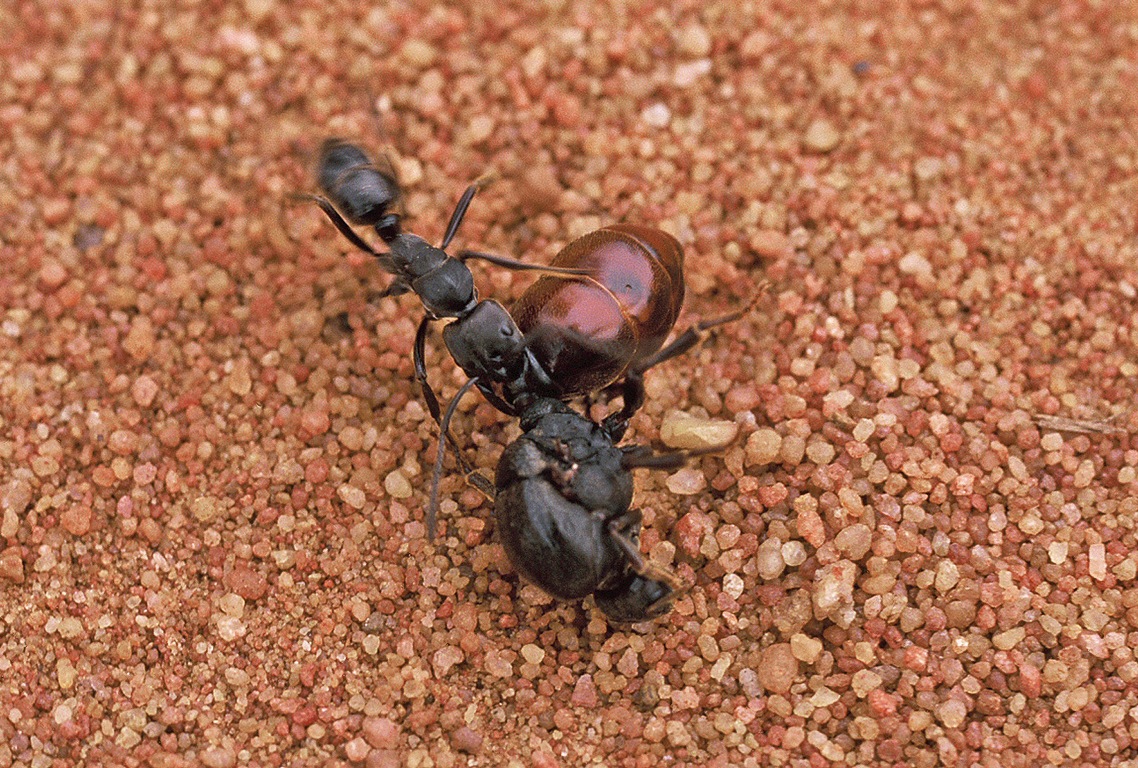
I photographed these ants in South Africa during my visit to Borakalalo National Park (North West Province) in November 1999.  Dr. Brian Taylor, author of the impressive Ants of Africa website, kindly identified and provided some information about the ants in these photos.  Pachycondyla tarsata - South Africa, North West Province, Borakalalo National Park, 25.xi.1999The first photo shows a worker ant dragging another dead ant.  Dr. Taylor identified the worker as Pachycondyla tarsata, which according to his website is known as the ‘Stink Ant’.  This pan-African species usually forages singly and nests directly in the ground, with the entrance often surrounded by excavated soil and remains of arthropods and other food. He wasn’t sure about the identity of ant being carried but guessed that it could be the queen of Camponotus (Myrmopiromis) fulvopilosus1.  That species is South African and appears to be of the right size for the individual in this photo.  Ants may have taken over the world, but at least they clean up after themselves.

1 Edit 01/17/09: Dr. Taylor sent an email to me saying that, after a second look at the above photo, he now believes the queen being carried by the Pachycondyla tarsata worker probably represents Carebara vidua, discussed below.

These next photos might have been better posted on Wednesday (ahem… “hump” day).  424046-r1-e009_009_mating_ants_21Dr. Taylor identified them as Carebara vidua. According to Lepage and Darlington (1984), colonies of this termitophagous species produce broods of alates ready to fly during the short November rains (as we experienced during our visit), as well as the longer April rains. Male and female alates are usually produced in separate nests, and after the flight the alate males seek out the females. The mating swarm I photographed shows several males attempting to mate with a single female – I counted five males at first, although one dropped off while I continued taking photos trying to get a good shot of the “lucky fellow”. 424046-r1-e010_010_mating_ants_21I am pleased that Dr. Taylor considered these photos informative enough to post on the species page at his Ants of Africa website. Lepage and Darlington (1984) reported nests of this species established in 2-10% of Macrotermes termite mounds  in Kenya, although nests can also occur well away from mounds. In the laboratory, dealate female ants exposed to Macrotermes workers remained passive and elicited no aggression. After 39 days, the mated females were capable of producing broods of about 1,000 workers, able to overpower, kill and eat the much larger Macrotermes workers.

REFERENCES:

Taylor, B. 2008. Ants of Africa. http://www.antbase.org/ants/africa/antcover.htm.

Lepage, M. G. and J. P. E. C. Darlington. 1984. Observations on the ant Carebara vidua F. Smith preying on termites in Kenya. Journal of Natural History 18(2):293-302.

Top Ten of 2008

For the first post of 2009, I begin with a look back at some of my favorite photos from 2008 (idea stolen from Alex Wild and others).  I initially hesitated to do a “best photos” post since I’m not really a photographer – just an entomologist with a camera.  Nevertheless, and with that caveat in mind, I offer ten photos that represent some of my favorites from this past year. To force some diversity in my picks, I’ve created “winning” categories (otherwise you might just see ten tiger beetles!). Click on the photos to see larger versions, and feel free to vote for your favorite. If so, what did you like about it? Was there a photo I didn’t pick that you liked better?  Enjoy!

Best tiger beetle

Cicindela formosa generosa

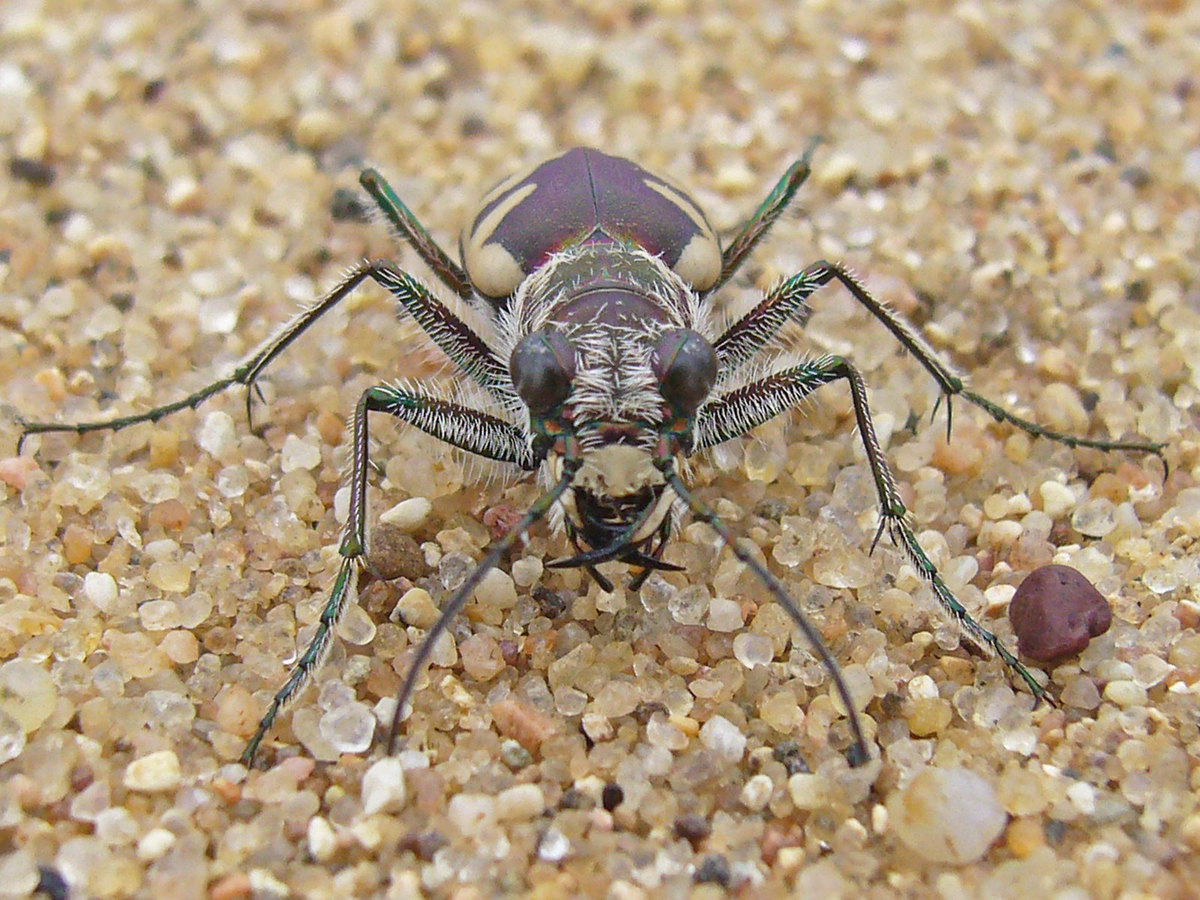
From “All the better to see you with, my dear!” (September 2008).  Picking a top tiger beetle photo was tough with so many to choose from.  Ultimately, I decided I really like these face-on shots, and of the several I’ve posted this one of Cicindela formosa generosa has the overall best composition, balance and symmetry.  I considered this one of Cicindela formosa formosa – with its half-cocked jaws, it probably has better personality.  However, the one above got the final nod because it is a true field shot of an unconfined, unmanipulated individual.

Best jewel beetle

Aegelia petelii

From Buppies in the bush(veld) (December 2008).  Although taken back in 1999, I just recently scanned and posted this photo of Agelia petelii from South Africa.  I like the bold, contrasting colors of the beetle combined with the soft colors of the host foliage.  Runners up included these photos of Evides pubiventris with its sumptuous iridescent green blending beautifully with the green background (but suffering slightly from shallow depth of field) and Chrysobothris femorata with its intricate surface sculpturing.

Best longhorned beetle

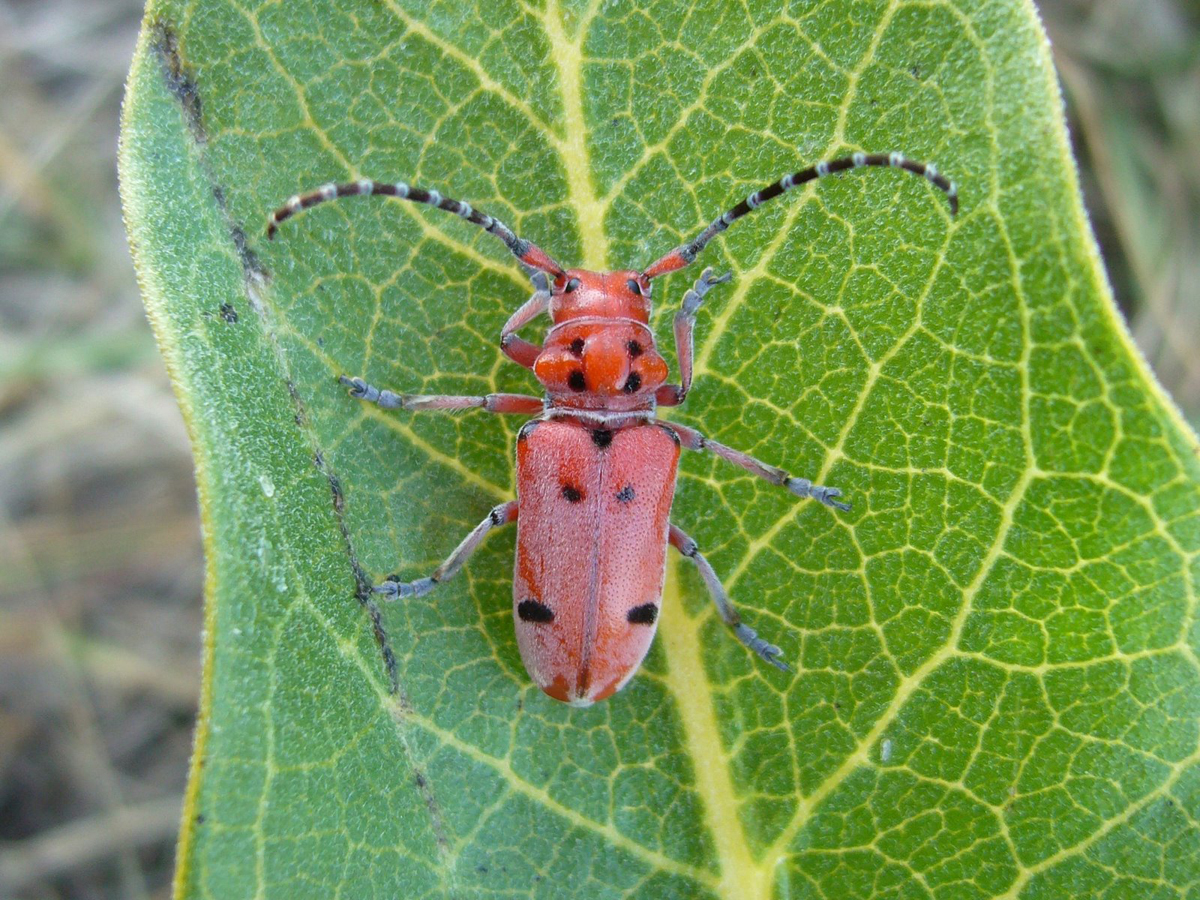
Tetraopes femoratus

From Rattled in the Black Hills (September 2008).  This was an easy choice – none of the other longhorned beetle photos that I posted during 2008 matched this photo of Tetraopes femoratus for clarity, composition, and the striking contrast between the red color of the beetle and the green color of the host plant.  I especially like the detailing of the body pubescence.

Best non-beetle insect

Proctacanthus milbertii

From Magnificently Monstrous Muscomorphs (November 2008).  I do like other insect besides beetles, and robber flies are hard to beat for their charisma.  This photo of Proctacanthus milbertii (which, as Chris Taylor pointed out, literally translates to “Milbert’s spiny butt”), has great composition and nice, complimentary colors.  I like contrast between the fine detail of the fly and the soft background.

Best non-insect arthropod

Argiope aurantia

From Happy Halloween! (October 2008). I didn’t have many non-insect arthropod photos to choose from, but this photo of a female Argiope aurantia (yellow garden spider) would be deserving of recognition no matter how many I had to choose from. I like the bold, contrasting colors and symmetry of the spider in front of the dappled background of this photo.

Best non-arthropod animal

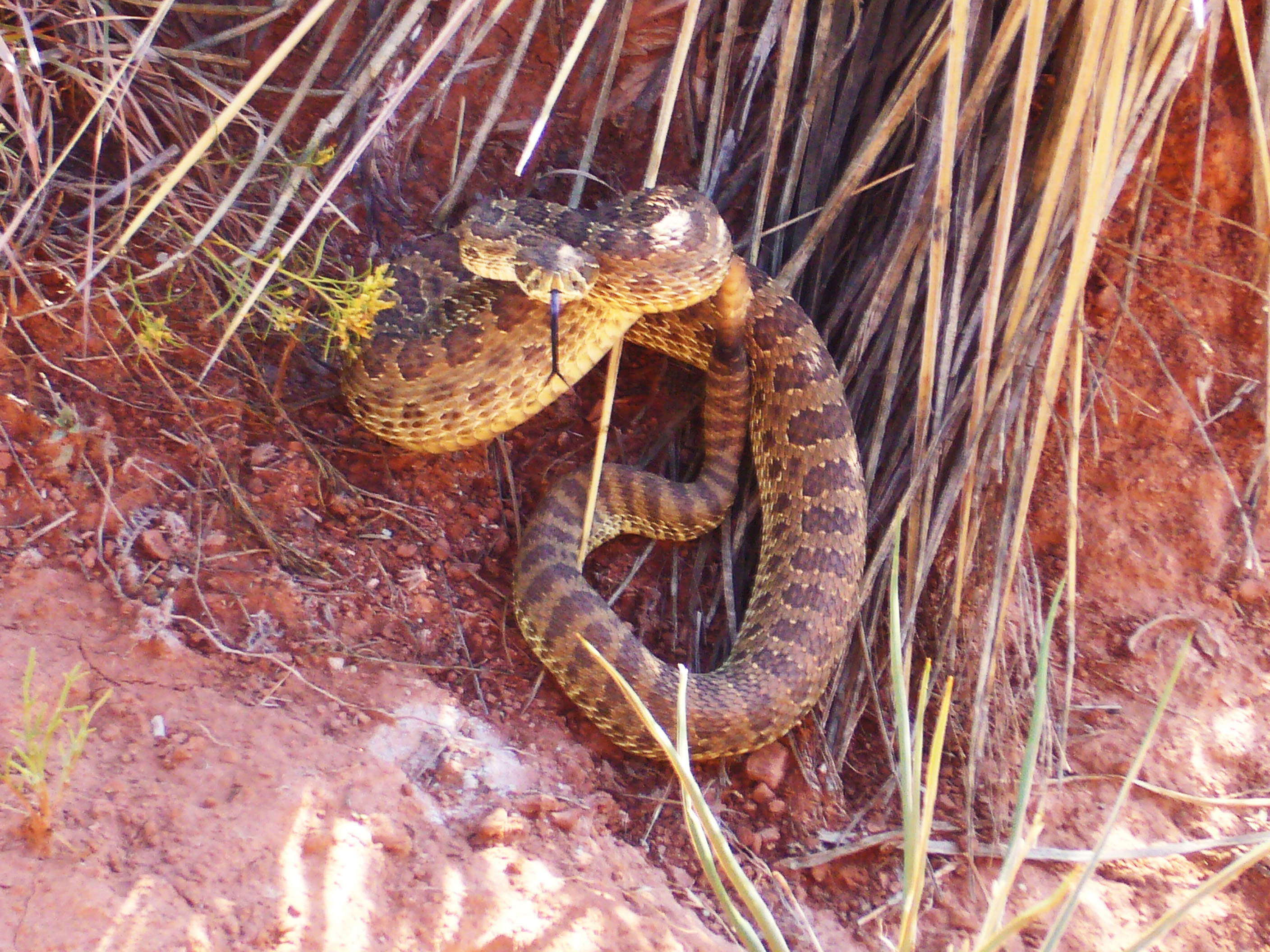
Prairie rattlesnake (Crotolus viridis)

Another one from Rattled in the Black Hills (September 2008).  This is admittedly not the best photo from a purely technical perspective – it’s a little out of focus, and the color is a bit off.  However, no photo could better convey the moment – confronted with a live, angry prairie rattlesnake (Crotalus viridis) (among the more aggressive species in the genus).  The forked tongue and rattle – blurred in motion – were icing on the cake.

Best wildflower

Victoria Glades

From Glades of Jefferson County (July 2008).  I had several wildflower closeups to choose from, but I kept coming back to this field shot of pale purple coneflower (Echincea simulata) and Missouri evening primrose (Oenethera macrocarpa).  The eastern redcedars (Juniperus virginiana) in the background are at once indicative of their preferred habitat (limestone/dolomite glades) and also testament to their threatening encroachment.

Best tree

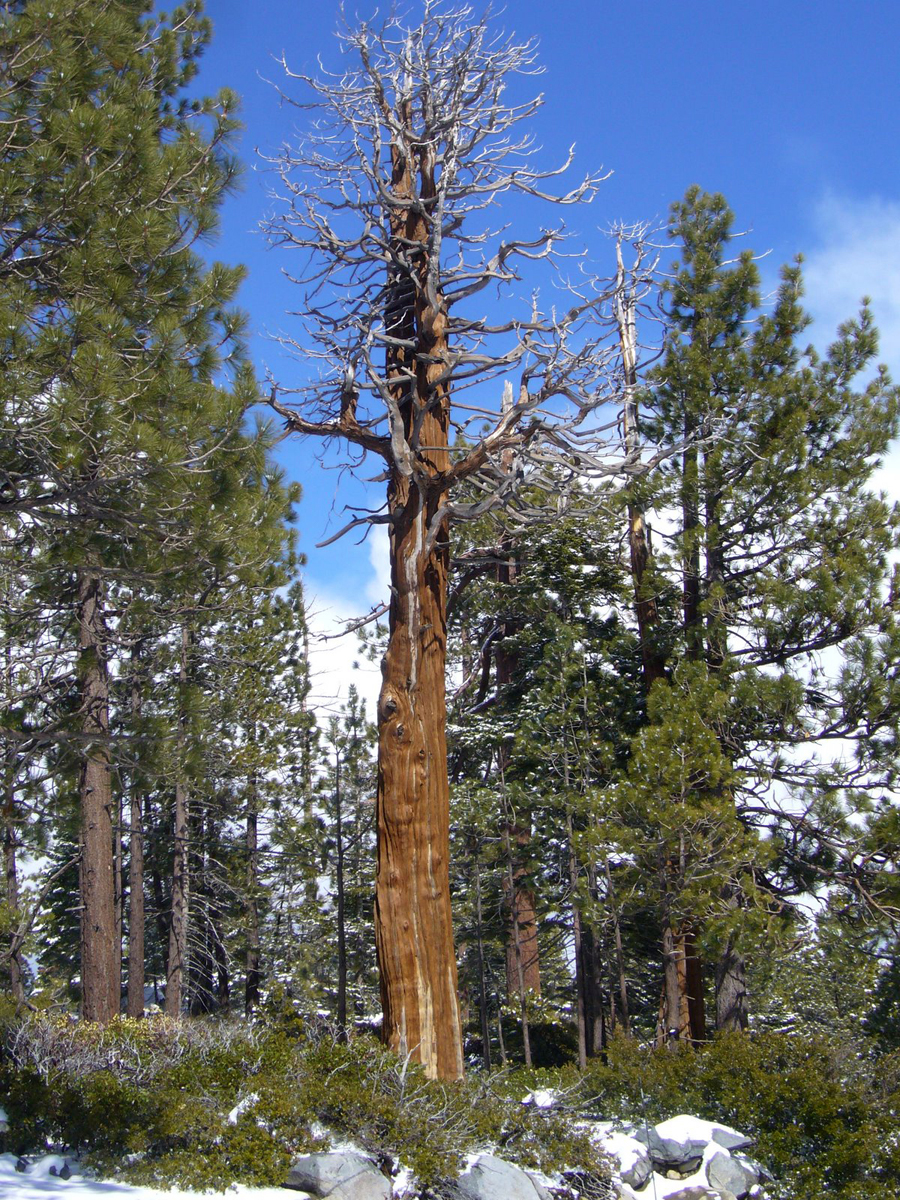
Calocedrus decurrens

From the very simply and aptly named Lake Tahoe, California (March 2008).  Incense cedar (Calocedrus decurrens), with its reddish, deeply furrowed bark and great height, is one of the most majestic of western conifers.  I was captivated by this tree – beautiful even in death and contrasting nicely with the surrounding green foliage.

Best rockscape

Pipestone National Monument, Old Stone Face

From Pipestone National Monument (April 2008).  “Old Stone Face” is one of Pipestone’s most recognizable geologic features, and the short angle of the sun on this early spring day provided nice detail to the cracks and fissures of the rock – almost appropriately adding a weathered “age” to this old man.

Best landscape

Emerald Isle, Lake Tahoe

Another one from Lake Tahoe, California (March 2008).  Few places on earth are more photogenic than Lake Tahoe, and this perspective overlooking Emerald Bay is among the finest views I’ve seen.  Brilliant blue skies and majestic snow covered mountains reflected perfectly from the still surface, with Fannette Island providing a perfect focal point for the photo.

Best miscellaneous

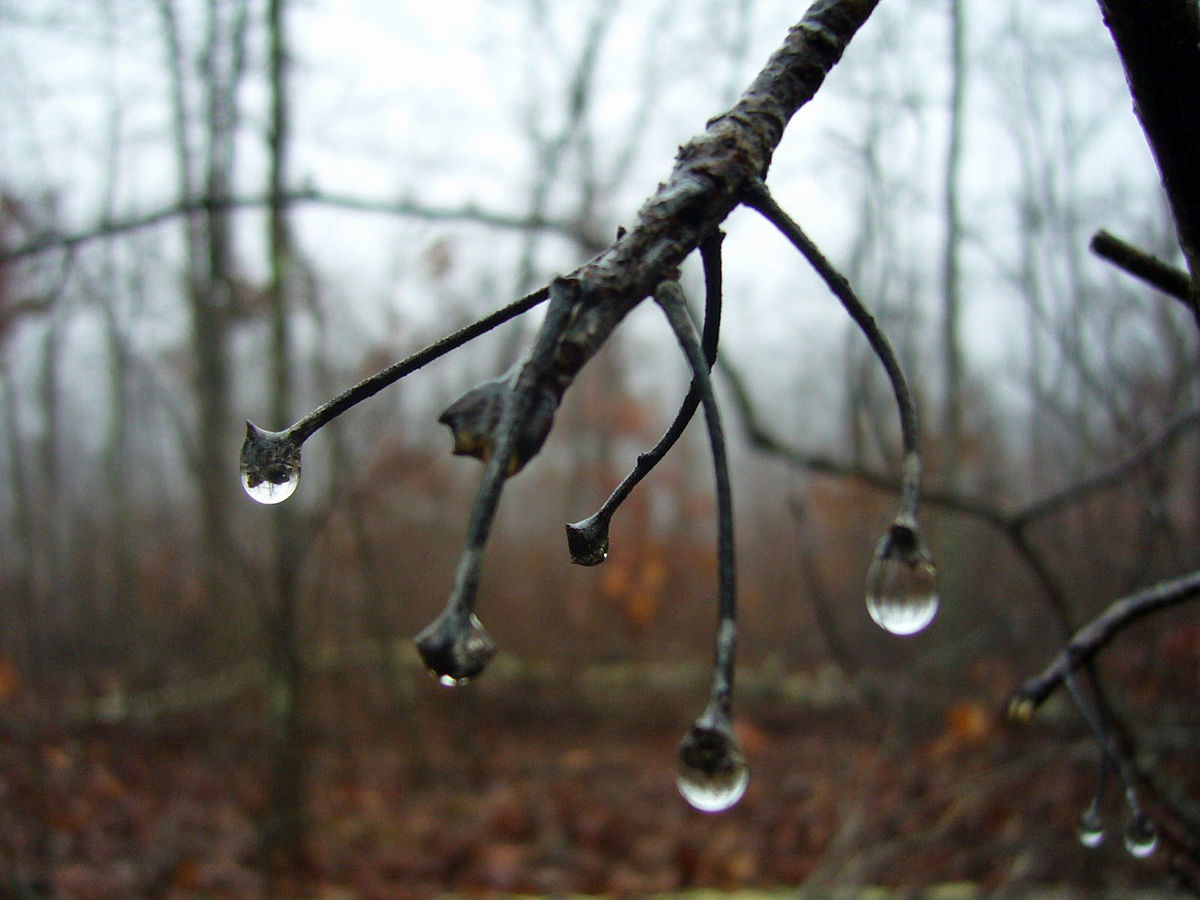
Water drops, Ozark Trail, Trace Creek SectionFrom Ozark Trail, lower Trace Creek Section (December 2007).  While technically not a 2008 photo, it’s close enough.  This was one of the first macro photographs I took with my camera, and it remains one of my favorites.  A chance occurence of an unlikely subject, created by cold temperatures and heavy moisture-laden air. I like the contrast between the water drops – sharp, round, and clear – with the vertical shapes of the leaf petioles and background trees.  Viewing the image full-sized reveals the reflection of the photographer in the leftmost water drop.

Subsequent edit: Okay, so after I put this post together, I realized I actually featured eleven photos – too much difficulty choosing, I guess. Let’s call it a baker’s ten.