Rush skeletonplant pea gall wasp

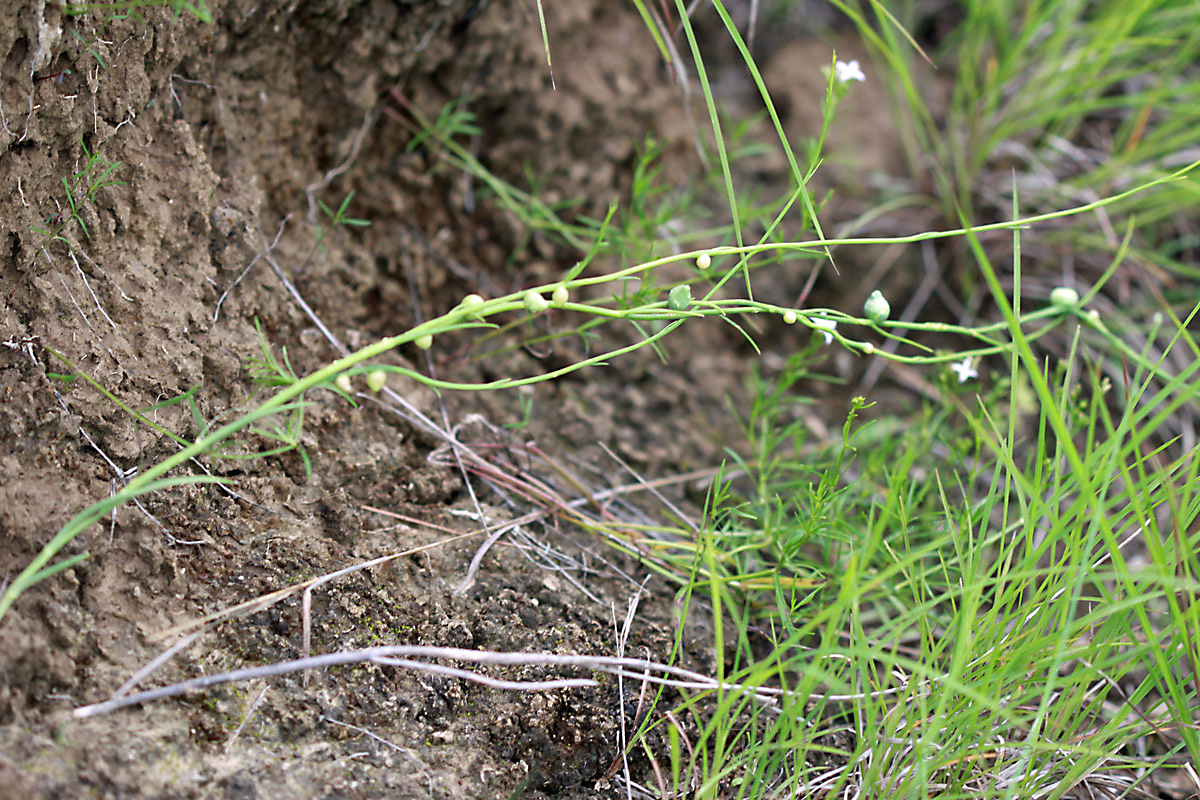
Lygodesmia juncea with galls of Antistrophus lygodesmiaepisum (Hymenoptera: Cynipidae) on stem.

The Loess Hills landform along the western edge of Iowa and extreme northwestern Missouri is home to a unique assemblage of plants and animals.  The majority of these are associated with loess hilltop prairies – grassland remnants that have their origins in the hypsithermal maximum of several thousand years ago and that persist as small relicts on the landform’s steep, dry, south- and west-facing slopes.  Many of the plants and animals found in these grassland remnants are more typically found further west in the Great Plains, but hang on in the Loess Hills as hypsithermal relicts.

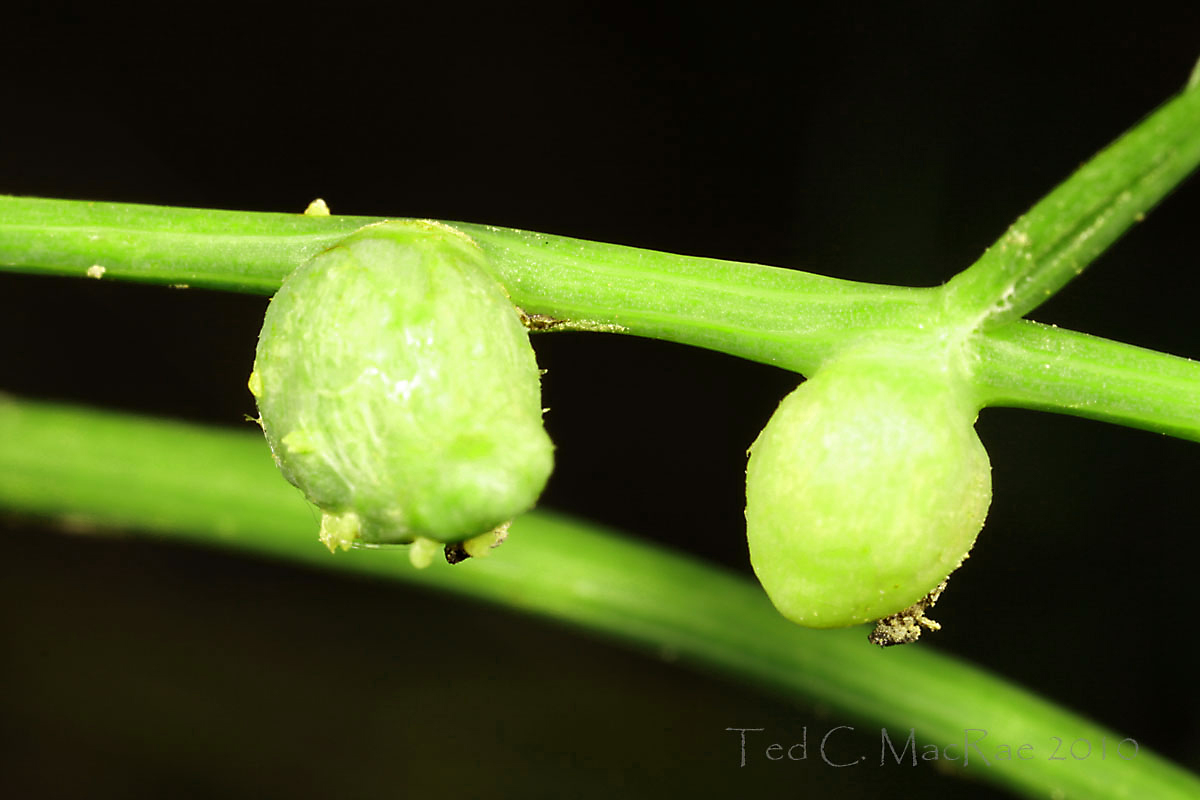
Antistrophus lygodesmiaepisum galls on stem of Lygodesmia juncea.

One such hypsithermal relict is rush skeletonplant, Lygodesmia juncea, a wirey, leafless-looking plant in the family Asteraceae¹.  More common in the Great Plains, this plant occurs in Missouri only on these loess hilltop prairie remnants.  The first time one encounters this plant, they are left with the impression that the plant bears small, pea-like fruiting structures along the length of its stem.  These are not fruiting structures, however, but galls made by the cynipid wasp Antistrophus lygodesmiaepisum.  Although this insect does not have a common name, it is associated exclusively with L. juncea, as suggested by its specific epithet (which also alludes to the pea-like galls with the suffix -pisum), so I see no reason why this wasp cannot be called the “rush skeletonplant pea gall wasp.”  Some sources variably misspell the genus as Anistrophus (without the first “t”) or the species name as simply pisum, a synonym first introduced by Ashmead in the late 19th century a few years after the species was described (I made both mistakes [and also erroneously referred to L. juncea as skeletonweed] in one of my earliest posts: The Loess Hills in Missouri).  It would seem that Antistrophus lygodesmiaepisum is the correct name, according to Pickering (2009).

¹ Not to be confused with rush skeletonweed, Chondrilla juncea – also in the Asteraceae, which despite the similarity of common names, specific epithet, and general appearance (except with yellow flowers) is an altogether different plant that was introduced from the Mediterranean Region and is now considered an invasive weed in much of the Great Plains.

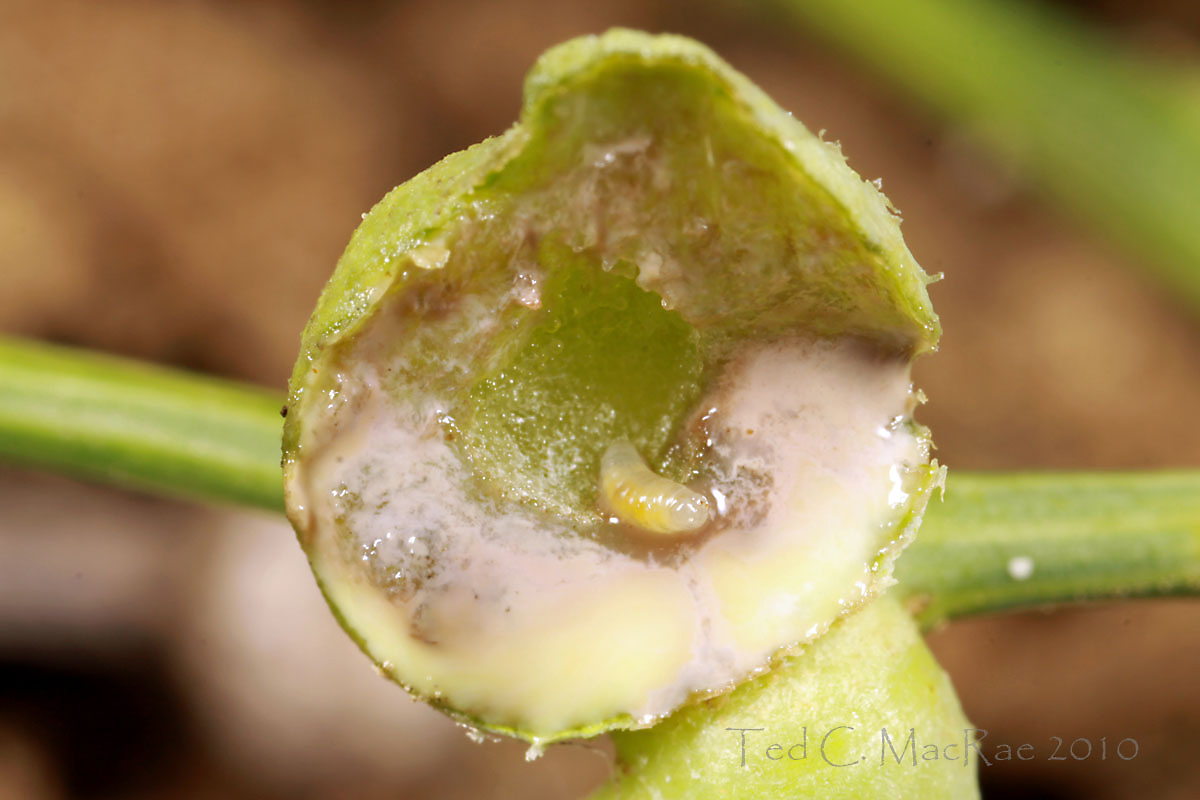
Antistrophus lygodesmiaepisum larva in gall on stem of Lygodesmia juncea.

Rush skeletonplant exudes a latex-like sap when damaged, making it unpalatable to most grazers – this latex-like sap can be seen when the galls made by the wasps are cut open.  Cynipid wasps are the second most diverse group of gall-making insects behind the gall midges, and many species are mono- or oligophagous (Ronquist and Liljeblad 2001), meaning that they are associated exclusively with a single plant species or group of closely related species.  Antistrophus lygodesmiaepisum is one such monophagous species, thus its occurrence in Missouri, like that of L. juncea, is restricted to the tiny loess hilltop prairie remnants in extreme northwestern Missouri.  In recent years, these prairie relicts have suffered heavily from conversion to agriculture, abusive grazing, and suppression of fire that has led to invasion by woody and exotic plants.  In Missouri, only about 50 acres of loess hilltop prairie remain, and only half of these are in conservation ownership, making it among the most critically imperiled of natural communities in Missouri.  While lacking the conservation charisma of L. juncea and the dozen or so other plants and vertebrates that are restricted in Missouri to these prairie remnants, A. lygodesmiaepisum nevertheless deserves equal consideration as a Missouri species of conservation concern.

I knew this would be a difficult ID Challenge and am quite impressed that at least a few people figured out at least the correct genus.  Tim Eisele scored 8 points in this challenge to not only take the win but also move way up into a 3-way tie for 4th place in the overalls.  Ben Coulter continues to be Mr. Consistency, earning 4 points for 2nd place and retaining his overall lead by an almost insurmountable margin (see what happens when you play every game!).  JasonC beat out the other contenders for the final podium spot on the basis of a bonus point, but the hot contest continues to be the battle for 2nd place overall.  Janet Creamer still holds it at 14 pts, but there is a veritable gaggle of contenders nipping at her heals – the next few challenges could be interesting.

Photo 1: Canon 100mm macro lens (ISO 100, 1/250 sec, f/2.8).
Photos 2-3: Canon MP-E 65mm 1-5X macro lens (ISO 100, 1/250 sec, f/14).
All photos: Canon 50D , Canon MT-24EX flash w/ Sto-Fen + GFPuffer diffusers. Typical post-processing (levels, minor cropping, unsharp mask).

REFERENCES:

Pickering, J.  2009.  Database of Hymenoptera in America north of Mexico. http://www.discoverlife.org/proceedings/0000/6/html/Cynipidae (accessed 20 Jan 2011).

Ronquist, F. and J. Liljeblad.  2001.  Evolution of the gall wasp-host plant association.  Evolution 55(12):2503–2522.

Copyright © Ted C. MacRae 2011

Flaming the debate

Eastern redcedar encroaching loess hilltop prairie, a critically imperiled natural community in Missouri.

ResearchBlogging.orgAs my interest in prairie insects has increased over the past few years, so has my interest in their conservation. Many insects are restricted to prairies through dependence upon prairie plants or their unique physical and trophic characteristics. Thus, preservation of not only prairie plants but their insect associates as well is a major goal of conservationists.  The task is daunting – for example only ~1% of tallgrass prairie remains in the central U.S., the rest long ago converted to agriculture or otherwise irreparably altered.  Prairies are dynamic natural communities that rely upon disturbance – this need to “disturb to preserve” creates an oxymoronic conundrum for restoration ecologists that is made even more difficult by the fragmented nature of today’s prairie landscape.  The situation here in Missouri is even more difficult, as nearly all of our grassland preserves (tallgrass prairie, sand prairie, loess hilltop prairie and glades) are exceedingly small and highly disjunct relicts not connected as parts of larger systems.

In recent years, prescribed burning has become the management tactic of choice for restoring and maintaining grassland preserves.  There are good reasons for this – not only are increased floral diversity and reversal of woody encroachment well-documented responses to fire, but burning is also highly cost-effective (a critical consideration in today’s climate of shrinking public budgets).  As the use of prescribed burning on grassland preserves has become widely adopted, however, concerns about the impacts of fire on invertebrate populations have been raised.  The subject is now an area of intense research, but studies are hampered by the limited availability of large, long-unburned tracts of native prairie, and no scientific consensus has yet emerged.  Regrettably, the debate has polarized into “pro-” and “anti-fire” camps that seem unable to communicate with each other constructively.  This is unfortunate, since both ends of the spectrum offer ideas that could be used to achieve the goal of preserving prairie remnants while mitigating concerns about invertebrate impacts.  I have previously expressed my own views on the subject, a position that I suspect some might mistakenly characterize as “anti-fire.”  While I do support the use of prescribed burning, I do not support its use with no consideration of other prairie management strategies such as haying and light grazing (not to be confused with the heavy, abusive, unmanaged kind of grazing that has degraded so much of our landscape).  All of these tools (as well as parcels that receive no management at all) have potential value in prairie management and should be considered.

Those interested in potential fire impacts on prairie invertebrates will be interested in this latest salvo by Scott Swengel and colleagues, who used metadata analysis to correlate declines of prairie butterflies in the Midwest with the widespread adoption of prescribed burning as a management tactic.  The authors present convincing evidence that tallgrass prairie butterfly populations are not co-evolved with fire regimes currently used for prairie management, although their conclusions will no doubt be challenged.  Nevertheless, until a firmer scientific consensus can be achieved, prudence should dictate some measure of caution in the use of fire as an exclusive prairie management tactic.

Dear Colleagues:

We are pleased to announce a new article by Scott Swengel, Dennis Schlicht, Frank Olsen, and Ann Swengel, based on long-term data that has just been published online,  Declines of prairie butterflies in the midwestern USA.  This paper is available free from Springer Open Choice at http://www.springerlink.com/content/l732444592662434/fulltext.pdf or by going to the Journal of  Insect Conservation Online First section and scanning through the articles in ascending number order until getting to articles posted 13 August 2010.

The trends of tallgrass prairie skippers shown here, although disastrous, underestimate the decline in Iowa and Minnesota for several reasons:

  1. In statistical testing we only include sites with adequate data for testing, which eliminates many sites from inclusion that had 100% declines of a specialist we know about.
  2. Nearly all sites with long time series were the top sites to begin with, which are likely to take a longer time to show large declines than medium or low-quality sites.
  3. Recent government sponsored surveys not included here show another round of huge declines for Poweshiek Skipperling in Iowa and Minnesota.
  4. Some species went undetectable by the late 1980s and early 1990s, so didn’t register as a presence when the study began.  Hence, they cannot show a decline since then.

Some good news is that conservation based on existing knowledge of specialists’ management responses gets far better results (as shown by Regal Fritillaries and Karner Blues in Wisconsin than typical management.  So declines like this are not inevitable.

The Ecological Interpretations and Conservation Conclusion section of Discussion contain some of our new insights explaining the observed about land-use effects on prairies and butterflies.

Scott Swengel

My thanks to Scott Swengel for giving me permission to reprint his introduction.

REFERENCE:

Swengel, S. R., D. Schlicht, F. Olsen & A. B. Swengel. 2010. Declines of prairie butterflies in the midwestern USA Journal of Insect Conservation: DOI 10.1007/s10841-010-9323-1.

Copyright © Ted C. MacRae 2010

Bruneau Sand Dune tiger beetles caught in the act!

ResearchBlogging.orgThe newest issue of CICINDELA (“A quarterly journal devoted to Cicindelidae”) contains an interesting article by my good friend and fellow tiger beetle enthusiast Kent Fothergill, who presents a fascinating sequence of photos documenting a field encounter with a mating pair of the endangered Bruneau Sand Dune tiger beetle (Cicindela waynei) (Fothergill 2010).  This is one of several tiger beetle species in the C. maritima species group that inhabit sand dunes in central and western North America – others include the Coral Pink Sand Dune tiger beetle (C. albissima), the St. Anthony Sand Dune tiger beetle (C. arenicola), the Colorado dune tiger beetle (C. theatina), and the sandy tiger beetle (C. limbata).  With the exception of the latter, these species show highly restricted distributions in their preferred sand dune habitats, and because their populations are so small they are especially vulnerable to drought and ever-increasing anthropogenic pressures (i.e., invasive plants, motorized vehicular traffic, overzealous collectors).  While the Bruneau Sand Dune tiger beetle has not been accorded status on the Endangered Species List, the Idaho Department of Fish and Game and the Bureau of Land Management have classified it as globally imperiled.

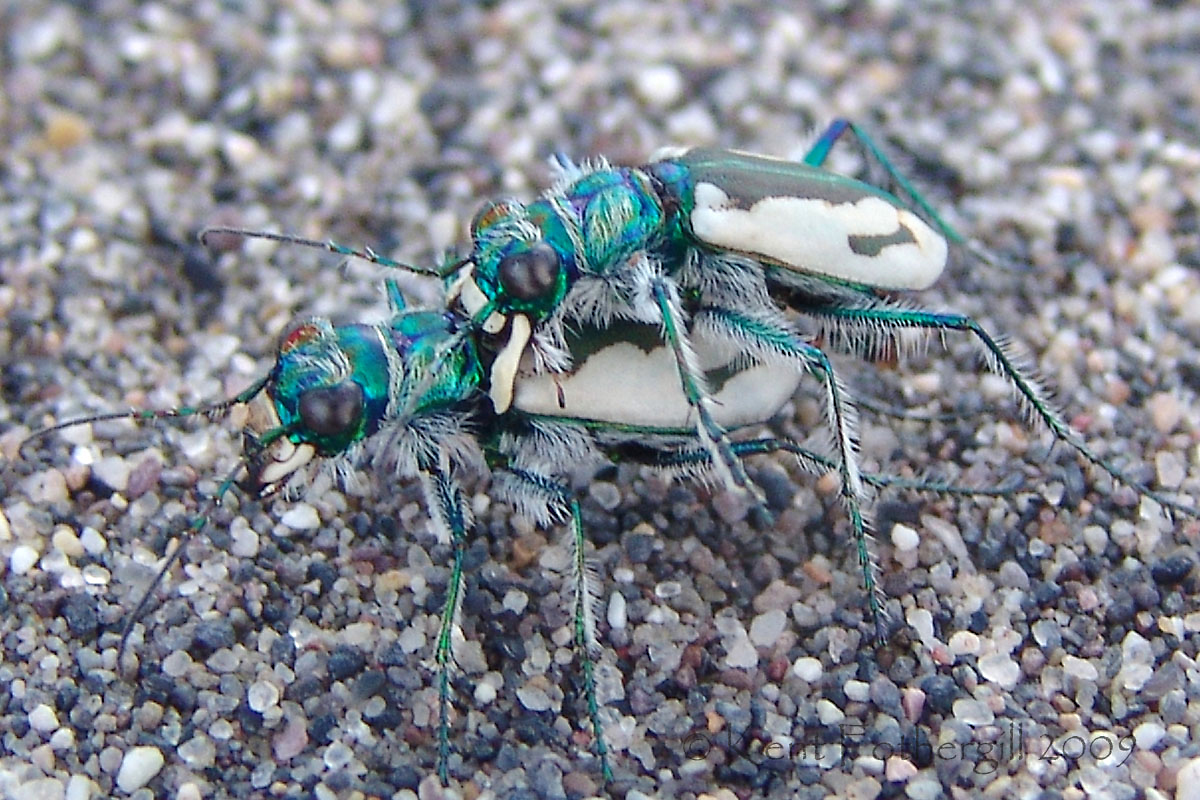
Bruneau Sand Dune tiger beetle, Bruneau Sand Dune State Park, Idaho. Photo © Kent Fothergill 2009.

Kent was observing these beetles in Bruneau Dune State Park in southwestern Idaho – the main habitat for this species – when he encountered several pairs of C. waynei in the process of mating.  Photographs were taken of one mating pair, revealing a fascinating sequence of behaviors that included vigorous but unsuccessful attempts by the female to dislodge the male, eversion and penetration of the female by the male aedeagus, and subsequent mate guarding (see photo above).  It is, in fact, this latter behavior that is most often observed among tiger beetle mating pairs and not actual mating itself, which is only rarely observed.  Kent noted the uniquely modified male mandibles (see photo below) and their possible role in preventing the male from being dislodged during the female’s initial protestations.

Male Bruneau Sand Dune tiger beetles sport impressive choppers! Photo © Kent Fothergill 2009.

This apparently is the first documented report of mating in this species, and its occurrence in May is considerably later in the season than Baker et al. (1997) speculated – significant because protection of 1st instar larvae is a management priority for conservation of this species.  The potential occurrence of 1st instars during a longer period of time is an important consideration for continued management of this species, as the Bruneau Sand Dune population continues to show evidence of decline despite the prohibition of insect collecting, cattle grazing, and off-road vehicles within the park (Bosworth et al. 2010).  Human trampling and pesticide applications to adjacent rangelands are continuing threats that have proven more difficult to manage.

My sincerest thanks to Kent Fothergill for presenting me the opportunity to review his manuscript prior to publication and allowing me to reproduce here two of his spectacular photographs of this gorgeous and rare species.

REFERENCES:

Baker, C. W., J. C. Munger, K. C. Cornwall and S. Staufer.  1997. Bruneau Dunes tiger beetle study 1994 and 1995.  Idaho Bureau of Land Management, Technical Bulletin 97-7, 52 pp.

Bosworth, W. R., S. J. Romin and T. Weekley.  2010. Bruneau Dunes tiger beetle assessment.  Idaho Department of Fish and Game, Boise, Idaho, 36 pp.

Fothergill, K.  2010. Observations on mating behavior of the Bruneau Dune tiger beetle, Cicindela waynei Leffler (Coleoptera: Carabidae: Cicindelinae).  CICINDELA 42(2):33–45, 7 color plates.

Copyright © Ted C. MacRae 2010

Add to FacebookAdd to DiggAdd to Del.icio.usAdd to StumbleuponAdd to RedditAdd to BlinklistAdd to TwitterAdd to TechnoratiAdd to Yahoo BuzzAdd to Newsvine

Email to a friend

Swift Tiger Beetle – good news, bad news

Sorry about the noisy video – it was shot in one of our walk-in growth chambers with fans going full-bore! Anyway, the video shows a couple of mating pairs of Cylindera celeripes (swift tiger beetle) that I brought back from the Loess Hills of extreme northwest Missouri this past weekend.  Watch carefully and you’ll see the first pair actively copulating before they break apart. After that I pan over to the second pair, which is not actively mating but have remained coupled as an example of behavior called “mate guarding” You might also notice a few very small green “bugs” in the container – these are 2nd-instar Lygus nymphs, which I placed in the container earlier in the day as prey – it was quite a sight to see the tiger beetles immediately begin chowing down on them! At the end of the video, I poke at the second mating pair with my forefinger to give an indication of their tiny size – this flightless species is one of the smallest in all of North America! Knowing how tiny the beetles are and how well they blend into their surroundings (you’ll have to imagine the 1-2 ft of plant growth that was surrounding them in the field), you can appreciate just how difficult these beetles are to detect in their native habitat.

There is a “good news, bad news” aspect to the story behind these beetles. This rare Great Plains species was unknown from Missouri until last year, when we (Chris Brown and I) discovered it in loess hilltop prairie remnants at Brickyard Hill, Star School Hill Prairie, and McCormack Loess Mounds Conservation Areas. Loess hilltop prairie is among Missouri’s most critically endangered natural community due to its restricted occurrence at the southern tip of the Loess Hills landform and more than a century of overgrazing and relentless encroachment by woody vegetation and invasive exotics. The sites where we found the beetle last year contain the highest quality loess hilltop prairie remnants in Missouri, so we are now taking a more thorough look at some of the smaller remnants that still exist in the area. The most promising of these are at Squaw Creek National Wildlife Refuge and on several privately owned lands near the known sites, and these were the sites that I searched this past weekend. Some of these sites looked promising (one in particular looked excellent), but thorough searching at each revealed no beetles. By the time I finished searching the last of them I had begun to wonder if: 1) my “search image” for the species had gotten rusty, or 2) my timing was a bit too early (last year’s populations were discovered in late June). To test this, we (daughter Madison and I) returned to one of the known sites (McCormack) where we had seen only two beetles last year (unable to capture either one). As we hiked along the ridge top leading to the spot where we saw them, I kept a close watch on the narrow trail in front of me. Nothing. However, as soon as I came upon “the spot” I saw one! I dropped to my knees and slapped my hands down on the ground, forming an “arena” between my two thumbs and forefingers, but the beetle ran over my hand too quickly and escaped. No matter – in less than a minute I saw another one and successfully trapped it under my fingers as it ran over my other hand. During the next 15-20 minutes I would see at least eight individuals along the narrow trail in this single spot. While it was gratifying to see more individuals at this site than we had seen last year, it also meant that the timing of my searches at the other sites was fine and that I was not suffering from a rusty search image. The beetle could still be at those sites where I had failed to find it, but if it is then it certainly does not occur in very high numbers. It also bothers me that at this site the beetle seems to be restricted to one isolated ridge, which appears not to have been burned in recent years (in contrast to the rest of the preserve, which seems to have been burned within the past year or so). I searched all the remaining ridge top again thoroughly after finding the beetles again this year, but no beetles were seen anywhere except this tiny spot where we have now seen beetles in successive years.

Missouri’s few existing loess hilltop prairie remnants are not only small but highly disjunct, and the flightless nature of the beetle makes re-colonization of a remnant unlikely in the event of a localized extirpation. There is obviously much we still do not know about the impact of burning on the beetle and how best to devise management plans that consider both the habitat and the beetle. However, one thing is clear – both the habitat and the beetle are critically imperiled in Missouri, and the fate of both are in our hands, right here and right now! We’d better get this figured out quick if we’re going to save both, and there seems to be little room for error. For my part, in addition to pinpointing where our populations occur and precisely what habitats are supporting them, I am trying to develop an effective rearing technique for this never-before-reared species in the event that captive rearing becomes necessary for reintroduction or augmentation of native populations. The adults seem very delicate and do not travel well, but I have found that if I prepare a terrarium in the field for transporting the adults then they survive well – even when traveling for several days. The container measures 6 1/4” H x 8” L, and I’ve placed a chunk of native soil cut from the site where I found the beetles and kept intact. The debris on the soil surface is intact as well, but the plants growing in the soil have (obviously) been trimmed. I’ll collect eggs from these individuals and experiment with different methods that I’ve been working on for rearing the larvae to see which are the most efficient and effective.

Copyright © Ted C. MacRae 2010

Add to FacebookAdd to DiggAdd to Del.icio.usAdd to StumbleuponAdd to RedditAdd to BlinklistAdd to TwitterAdd to TechnoratiAdd to Yahoo BuzzAdd to Newsvine

Email to a friend

Where’s Ted now?

…in the Loess Hills of northwest Missouri, looking for additional sites for Cylindera celeripes (swift tiger beetle). Recall that we (Chris Brown and I) finally found this rarely collected species last year in Missouri (after many years of looking) in high quality remnants of loess hilltop prairie (a critically endangered natural community in Missouri).  The beetle was found at Brickyard Hill, Star School Hill Prairie, and McCormack Loess Mounds Conservation Areas, which combined contain nearly half of the 50 or so acres of loess hilltop prairie still existing in Missouri. The remaining acres are located at Squaw Creek National Wildlife Refuge and on private lands – my sincere appreciation goes out to Squaw Creek Refuge staff and three private landowners, who have all graciously extended to me (and my able field assistant Madison) access to the loess hilltop prairie remnants under their stewardship to better characterize the beetle’s distribution in the area. The sites I am visiting have varied burn histories, ranging from recent to 6 years or more since the previous burn, thus, I am also hoping to better understand the possible impact of prescribed burns on the species’ occurrence in loess hilltop prairie remnants. The beetle needs these remnants to survive, and prescribed burning is an important tool for helping to restore this natural community after decades of shrinkage due to woody encroachment. The trick will be to design management plans that accomplish these restoration objectives while at the same time minimizing possible negative impacts of the burns on existing beetle populations.

Copyright © Ted C. MacRae 2010

Add to FacebookAdd to DiggAdd to Del.icio.usAdd to StumbleuponAdd to RedditAdd to BlinklistAdd to TwitterAdd to TechnoratiAdd to Yahoo BuzzAdd to Newsvine

Email to a friend

Are we loving our prairies/glades/woodlands to death?

I had such high hopes for last weekend’s collecting trip – late May is boom time for insects across Missouri, we have had good moisture this spring, and I would be visiting some high-quality natural communities that I had not visited for a long time.  My stated goals (the jewel beetles, Agrilus impexus and A. frosti) were long shots – I knew that and would have been fine coming home without those species (which I did) had the the collecting been otherwise productive (which it was not).  Still, I’ve been doing this for a long time now, and I’ve learned to draw on my accumulated experience when things don’t go as planned to give myself the best shot at turning a bad collecting trip into a decent one when things don’t go as planned.  The itinerary with which I start is rarely the one that I actually follow, and this past weekend was a good example of such.

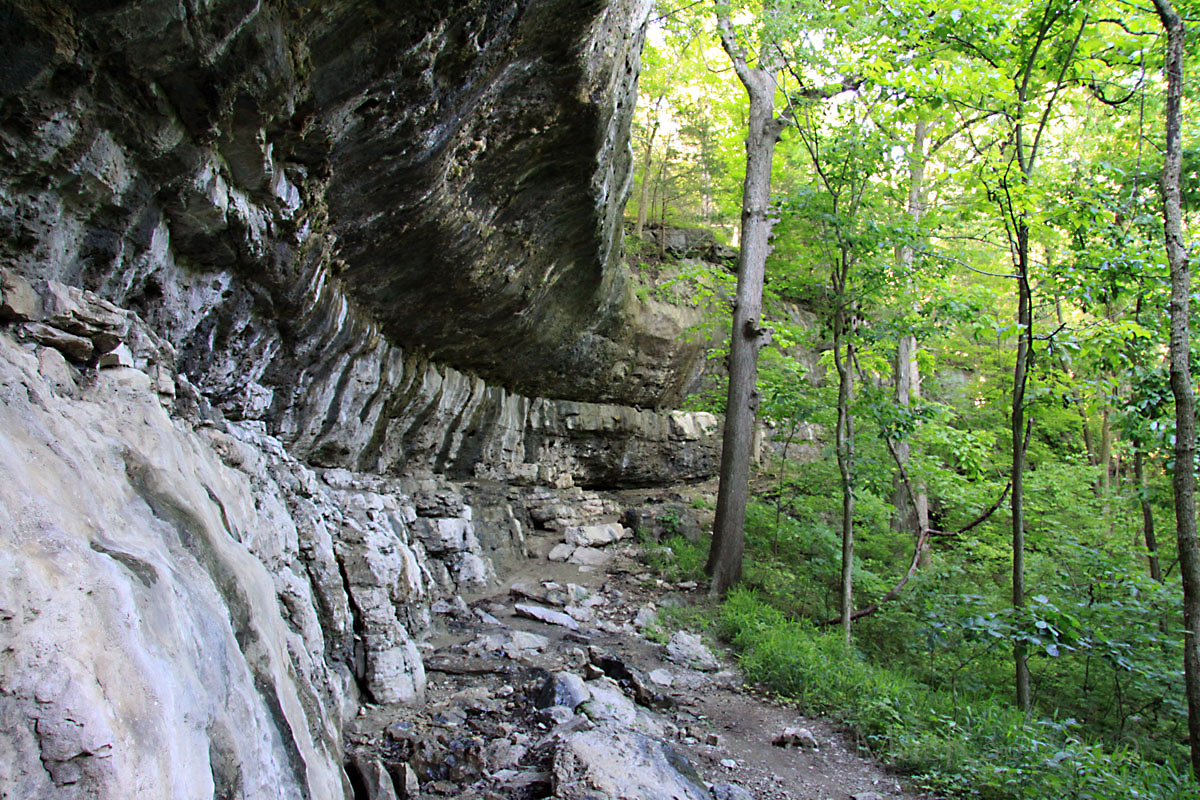
My first stop was Ha Ha Tonka State Park, one of Missouri’s premier parks, boasting high-quality chert, dolomite, and sandstone savanna interspersed with dolomite glades.  It is on these glades and savannas that I hoped to find Agrilus impexus, or failing that at least collect a nice diversity of other jewel beetles on the oaks and hickories of the savannas and surrounding woodlands.  However, it was with some reservation that I even came here after being told by my colleague at the Department of Natural Resources just 2 days before my trip that 75% of the park’s grasslands and woodlands had been burned within the past two years.  For an insect collector, this is never good news – in all my years of collecting insects, my experience in relatively recently-burned habitats has been consistent: collecting sucks!  I decided, however, to visit Ha Ha Tonka anyway because of the quality of the natural communities it contains, thinking perhaps I might be able to find pockets of unburned habitat supporting good insect populations.  This was not to be. I beat oak after oak in the savannas and woodlands – nothing!  I swept little bluestem and Indian grass in the glades – nothing!  The foliage was lush and green and the savanna and glade landscapes highly diverse – given the time of season the place should have been teeming with insect life, yet it almost seemed sterile. Were it not for a few Chrysobothris quadriimpressa jewel beetle adults that I found attracted to a recently wind-thrown black oak tree, I would not have seen any insects here at all.  It appeared my fears about park-wide depression of insect populations had been realized.  However, not one to waste a visit I decided to explore some of Ha Ha Tonka’s fascinating geological features.  Ha Ha Tonka contains one of Missouri’s best examples of karst geology, with complex structures formed from the collapse of a major cave system.  The Devil’s Promenade is one of the more spectacular examples of such, its horseshoe-shaped cliff representing the former interior walls of a now-collapsed cave.  As dusk approached, the day’s poor insect collecting caused me to abandon my plans to stay here and blacklight for nocturnal beetles.  Instead, I decided to break from the itinerary, drive further west and explore Lichen Glade Natural Area in the morning before heading to the Penn-Sylvania Prairie BioBlitz later that afternoon.
Devils Promenade, Ha Ha Tonka State Park

Lichen Glade Natural Area is a small area owned by The Nature Conservancy that boasts a high-quality sandstone glade surrounded by post oak/black jack oak forest.  My first visit to the area more than 20 years ago was during May, and it was one of the most productive collecting trips I’ve had with a number of Agrilus spp. (including A. frosti) beaten from post oak (Quercus stellata) along the woodland edge.  I didn’t visit again until fall of 2002, when Chris Brown, Rich Thoma and I found claybank tiger beetles (Cicindela limbalis) sunning on the exposed sandstone outcrops, and I made one more visit the following May to beat more insects off of post oak.  The Lichen Glade that I returned to this past weekend was a very different place from when I last visited – the surrounding woodlands had been extensively opened (I would guess within the past few years based on the size of the post oak resprouts), and fire had been used throughout the area.  Anticipation turned to frustration when no amount of beating of the woodland vegetation and sweeping of the glade vegetation turned up beetles in any appreciable numbers (or any insects for that matter) and two hours worth of effort yielded not a single buprestid beetle!
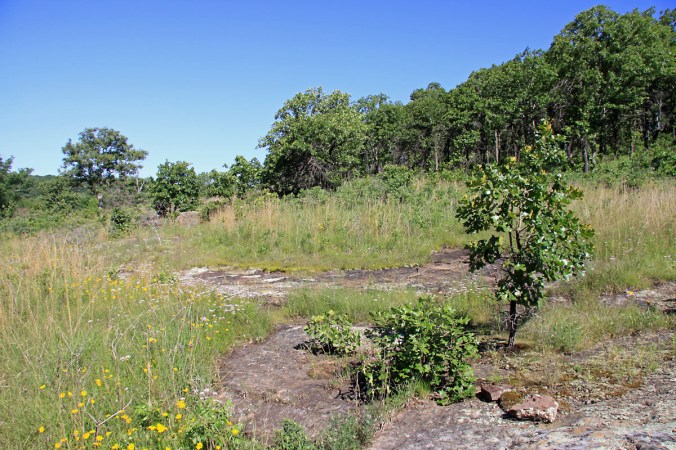
Sandstone glade community, Lichen Glade Natural Area

With resignation, I headed on over to Penn-Sylvania Prairie, where during the introduction to the BioBlitz I learned that nearly half of the 160-acre prairie was burned last December and all of it had been burned within the past few years.  I knew what I was going to find – nothing!  Okay, I shouldn’t say nothing, as there actually were some beetles present.  However, the numbers and diversity were low, with all of the species encountered representing common, widespread species.  Moreover, it was not just beetles – all of the invertebrate group leaders (which included experts on snails, ants, butterflies, and bees) reported low overall abundance and diversity in their groups of interest.  Only the vascular plants – the metric by which the value of prescribed burning is always assessed – showed high diversity, with 300 species of mostly native prairie plants recorded for the site.  It was a fun event, with probably ~75 attendees and a delicious pot luck dinner that evening; however, it would have been more enjoyable had there actually been a nice diversity of insects present to document for the preserve.

My comments may make it seem that I am against the use of prescribed burning.  This is not true – I understand the critical role that fire as a management technique plays in restoring and maintaining examples of Missouri’s historically fire-mediated landscape. Without fire and other processes to mimic natural disturbance factors, most of Missouri’s historical grasslands and woodlands suffer relentless encroachment by woody vegetation. However, the modern landscape is very different from the historical landscape, where fires of unpredictable scale, intensity, and frequency operated within a vastly larger scale to create a shifting mosaic of natural communities in various stages of ecological succession. Such processes cannot be recreated on today’s severely fragmented landscape, where the precious few remaining tracts of native habitat are relatively to extremely small and more often than not separated from each other by vast expanses of homogeneous and “inhospitable” habitat (e.g., agricultural, urbanized, or severely degraded lands).  It is in that context that I have great concerns about how aggressively fire has been used in recent years on our state’s natural areas and the impact this is having on insect populations – specialist and generalist alike.  Fire proponents will point to published studies that show little to no effect by the use of fire for managing small, isolated remnants on specialist insects (see review in Henderson 2010).  However, there are an equal number of studies that suggest such concerns are well-founded (see review in Panzer 2002). A consistent limitation in all of the studies that have been conducted is the lack of very large and long un-burned remnants.  Prescribed burning has been adopted so rapidly and pervasively that there just aren’t any significant un-burned remnants left to properly include as controls in such studies.  As a result, the insect fauna present at a given site at the start of such a study is already skewed towards those species that successfully recolonized the area post-burn.  At a minimum, the data to this point are inconclusive, and certainly the potential for impacts has not been given the consideration it warrants in designing fire-management plans for our own state’s prairies and glades. Furthermore, as rapidly and aggressively as fire has been adopted on our few, small, widely disjuct remnants, the opportunity for proper investigation of those potential effects may be gone.  A particularly egregious example of the lack of consideration being given to prairie invertebrates in designing fire management plans is shown in these photos of Iowa’s Sylvan Runkel State Preserve before and after a late May burn and the impact of that burn on a resident population of Nevada buck moths (Hemileuca nevadensis).

Here in Missouri, as in Iowa, it’s a problem of scale – the landscape is too fragmented and remnants too disjunct to manage based strictly on floristic response.   Populations of generalist insect species will recover, and even specialist species may be able to overcome such management practices if they are widely distributed and sufficiently mobile. But what about conservative species with low vagility, such as the swift tiger beetle (Cylindera celeripes) and our disjunct population of the frosted dromo tiger beetle (Dromochorus pruinina), flightless species restricted in Missouri to the few tiny remnants of loess hilltop prairie in northwestern Missouri and a single 2.5-mile stretch of roadside habitat in west-central Missouri?  Until directly relevant data, gathered here in Missouri, are forthcoming to suggest otherwise, I believe the most judicious use of fire possible should be practiced in restoring and maintaining our grasslands and woodlands.  In-season burns may have been a part of the historical landscape, but their use today has great potential to result in local extirpations and should be used only after the most careful consideration.  Leaving un-burned refugia within remnant habitats to accelerate recovery would also be prudent – yet many land managers disregard this practice because of its logistical difficulties. This is especially true in small parcels, yet it is precisely these remnants that have the most to gain from their use (or lose from not doing so!).  In the historical landscape, every burn was a patch burn – no matter what its size, there were always adjacent or proximal unburned habitat from which recolonization could occur.  Elk and bison, too, were integral components of the presettlement prairie landscape – their roamings caused intermittent, localized disturbances that were likely not only crucial to the tiger beetles that I study but may also have contributed to vegetational diversity through patch succession.  Techniques that mimic these natural disturbance factors include mowing, haying, and managed grazing.  They can be utilized to mimic those disturbances as well as delay woody encroachment, and their use in land management should be considered for their ecological value rather than deprioritized because of their relatively greater complexity and cost to implement. Mechanical removal and selective use of herbicides offer additional tools for addressing woody encroachment while minimizing potential impacts to insect populations. An effective management program that considers all of the flora and fauna of a remnant may not be possible unless all of these management tools are utilized, or at least properly considered. As my good friend James Trager said in a recent email (quoting Andrew Williams), habitat restoration “cannot rest on any single management practice, nor practicing it too extensively.”

REFERENCES:

Henderson, R. A.  2010. Influence of Patch Size, Isolation, and Fire History on Hopper (Homoptera: Auchenorrhyncha) Communities of Eight Wisconsin Prairie Remnants.  Wisconsin Department of Natural Resources, Research Report 189, 22 pp.

Panzer, R. 2002. Compatibility of prescribed burning with the conservation of insects in small, isolated prairie reserves. Conservation Biology, 16(5):1296-1307.

Copyright © Ted C. MacRae 2010

Add to FacebookAdd to DiggAdd to Del.icio.usAdd to StumbleuponAdd to RedditAdd to BlinklistAdd to TwitterAdd to TechnoratiAdd to Yahoo BuzzAdd to Newsvine

Email to a friend

BitB’s Newest Contributor

Those of you who have followed this blog for any length of time have likely noticed fairly regular participation in the comments sections by one James C. Trager.  Occasionally irreverent and always articulate, his informed quips are among those that I have enjoyed the most.  One can surmise from James’ comments that he knows a thing or two about entomology himself, but to say this would be an understatement!  Like me, James is a passionate entomologist whose scientific interests take him deep into many related fields of natural history study.  Unlike me, James is a formally trained insect taxonomist, specializing in ants (family Formicidae).  He has conducted numerous biogeographical and systematic studies on this group, much of it in the southeastern U.S. (list of publications), and is the current project leader for the Missouri Ants and Illinois Ants pages at AntWeb.org (whose ambitious goal is to provide information and high quality color images for each of the ~10,000 known ant species).  James’ deep knowledge of this single taxon, however, does not limit his interest in other insects — singing insects in particular are among his favorites. It is, thus, with great pleasure that I introduce James as the newest BitB contributor.

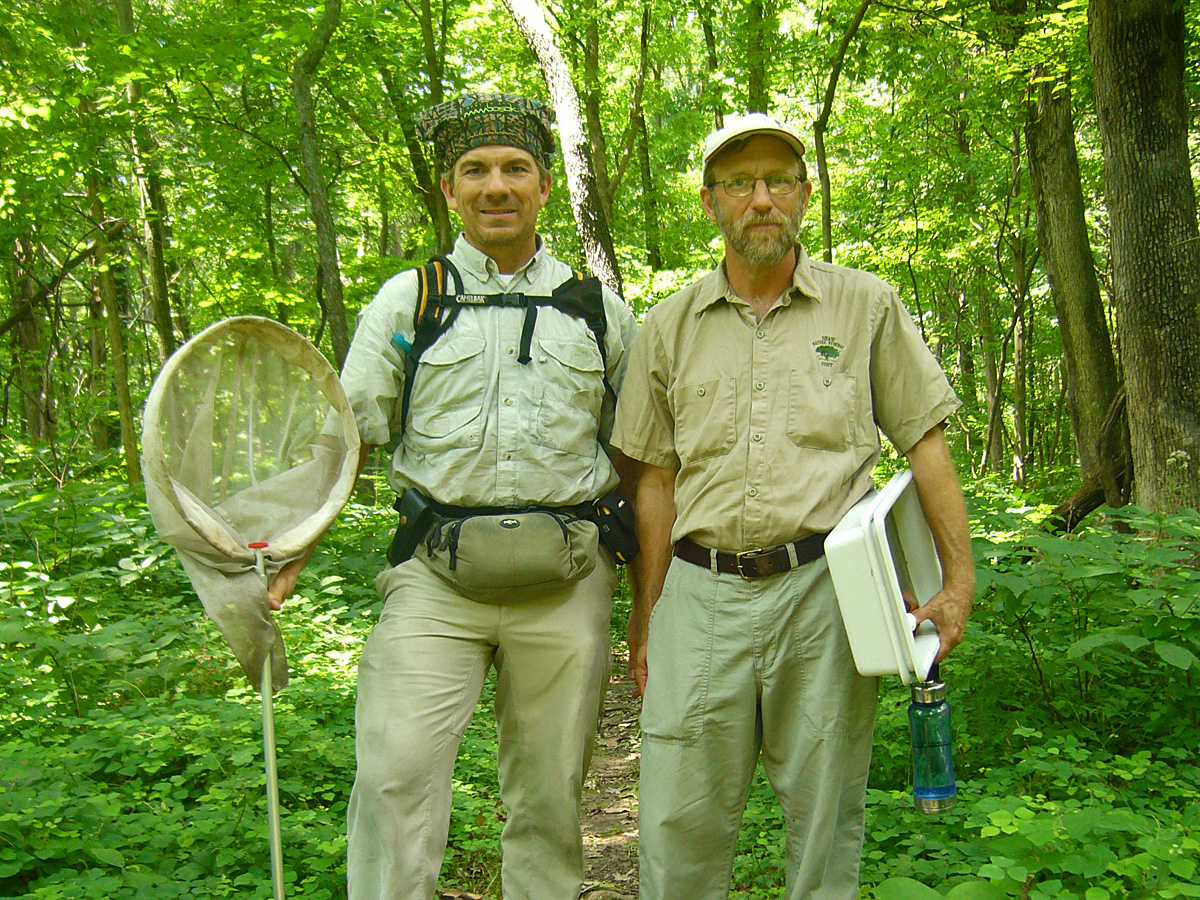
In fact, James and I have known each other for many years, as we are both based in the St. Louis area.  James is a restoration ecologist at Shaw Nature Reserve, a 2,500-acre ecological preserve located in the Ozark foothills (and just 15 miles from my house).  Originally established by the Missouri Botanical Garden for managed plant collections, its recent focus has shifted to environmental education and ecological research, and James has played a key role in their many ongoing wetland, woodland, prairie and glade (xeric limestone prairie) restoration efforts.  This experience combines with his entomological expertise and extensive travel within the U.S. and abroad (e.g., Ecuador) to give him a breadth of knowledge and perspective achieved by few, and I think you will find his writings most enjoyable.  Look for his first post to appear in the next day or so.

Ted & James in restored woodland at Shaw Nature Reserve. Photo by Madison MacRae.

Copyright © Ted C. MacRae 2010

Add to FacebookAdd to DiggAdd to Del.icio.usAdd to StumbleuponAdd to RedditAdd to BlinklistAdd to TwitterAdd to TechnoratiAdd to Yahoo BuzzAdd to Newsvine

Email to a friend

Give the Gift of Green

The mission of The Nature Conservancy is to preserve the plants, animals and natural communities that represent the diversity of life on Earth by protecting the lands and waters they need to survive.

Blue jay, Oklahoma, USA. Photo © Harvey Payne.

One of my favorite conservation organizations is The Nature Conservancy.  It’s hard to argue with their success—more than 119 million acres of land, 5,000 miles of rivers, and 100 marine projects worldwide have received protection as a result of their efforts.  Even more important than the scale of their success is the manner in which it has been achieved using science and a decidedly non-confrontational focus on partnerships.  I have seen this approach in action in my own state of Missouri at Victoria Glade and at Four Canyon Preserve in Oklahoma, where prescribed burns, managed grazing, and removal of woody vegetation are restoring significant examples of our nation’s unique grasslands to their presettlement glory. 

Yangtze River, China. Photo © Dou Weiyang.

The intial focus of the Conservancy’s conservation efforts was simple: preserve wilderness by buying land. As environmental challenges have increased, the Conservancy has adopted a diversity of tactics to acheive sustainable conservation results.  The Conservancy relies heavily on membership to fund these conservation efforts, with 60% of revenues coming from individuals. A fun and creative way to support the work of the Conservancy during this Holiday Season is through their Green Gift Guide, which offers unique gifts that will go twice as far; pleasing the recipient while at the same time helping the Conservancy in their efforts to protect the world’s most precious habitats for future generations. Following are their Top 5 Green Holiday Gifts:     

  1. Adopt an Acre.  You can choose whether your gift protects unbroken swaths of Appalachians forest, mountain streams in the Rockies, meandering Southern bayous or miles of beautiful sandy beaches where US and Mexico border, or Adopt an Acre abroad in Africa, Australia or Costa Rica.
  2. Plant Trees in the Atlantic Forest. Part of the Conservancy’s Plant a Billion Trees campaign, each tree purchased will be planted in the Atlantic Forest, one of the world’s biggest and most endangered tropical forests.
  3. Adopt a Coral Reef. This unique gift will help protect the coral reefs and beautiful seascapes found in Palau, the Dominican Republic or Papua New Guinea.
  4. Help Save the Northern Jaguar (NEW THIS YEAR). Help to protect the large landscapes that northern jaguars need to flourish. Jaguars roam from as far south as Patagonia all the way to Arizona and New Mexico and your gift will help to provide the dense jungle and scrubland they enjoy.
  5. Give the Gift of Clean Water. Freshwater ecosystems water our crops, light our homes and bring us joy. Help to protect the flow and supply of fresh water and ensuring the well-being of our own species.

For additional eco-friendly holiday gift ideas, visit the Conservancy’s Green Gift Guide.  

Copyright © Ted C. MacRae 2009

Add to FacebookAdd to DiggAdd to Del.icio.usAdd to StumbleuponAdd to RedditAdd to BlinklistAdd to TwitterAdd to TechnoratiAdd to Yahoo BuzzAdd to Newsvine

  Email to a friend