The marvelously monstrous Microstylum morosum

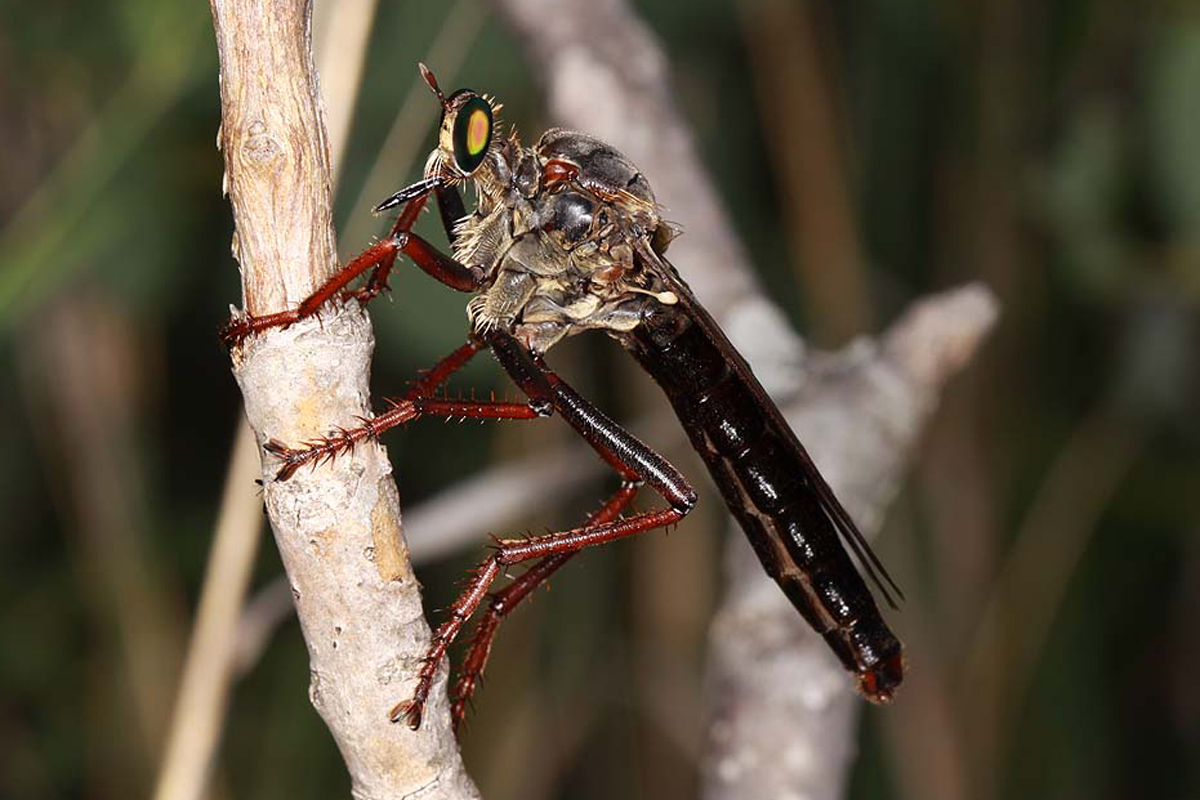
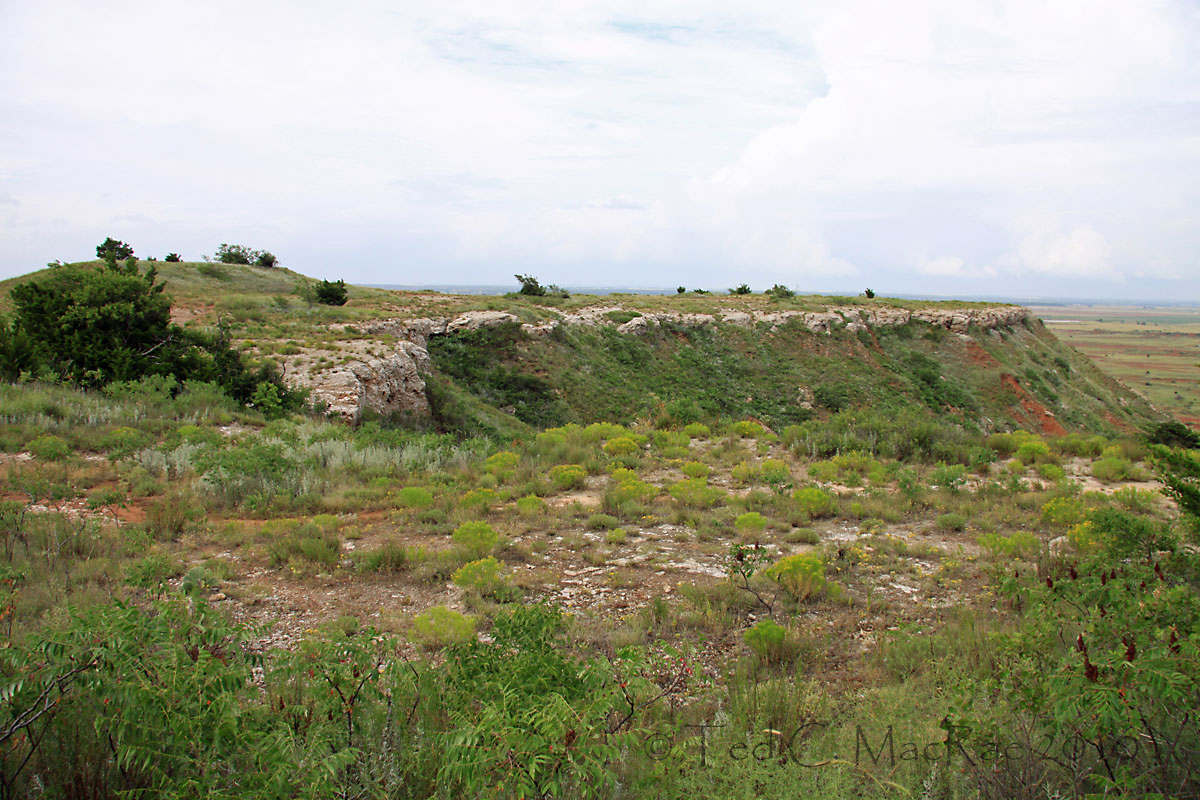
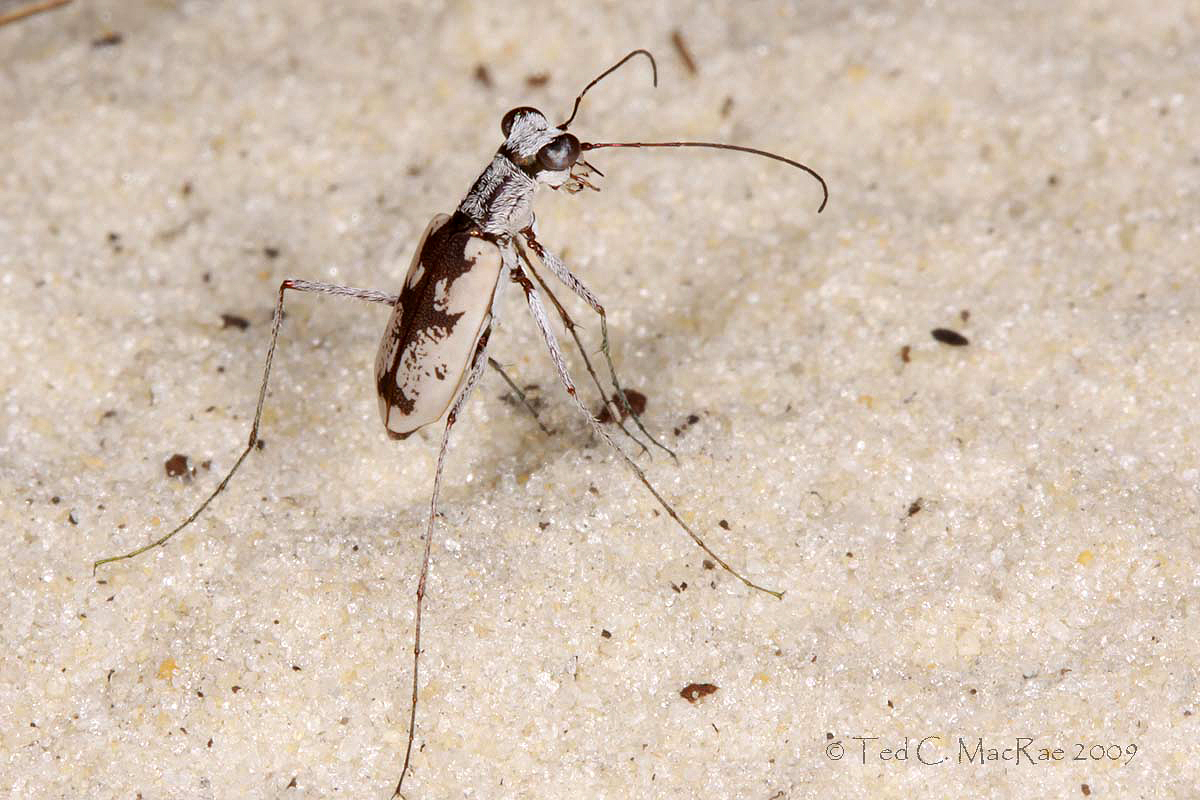
A few weeks ago, while waiting to begin my nocturnal hunt for the Great Plains giant tiger beetle (Amblycheila cylindriformis) in northwestern Oklahoma, I spent the daytime atop one of the red flat-topped mesas that meander through the area in nearby Gloss Mountain State Park.  Although my trip was all about seeing this giant of a tiger beetle in the wild for the first time (I could hardly wait for dusk to begin my search), I found enough splendid insects of other types atop the mesa to occupy my interest until that time.  One of these was the still-robust population of the Swift Tiger Beetle (Cylindera celeripes) that I discovered last summer and delighted in photographing yet again, while another was North America’s largest robber flyMicrostylum morosum!  I had just finished photographing one of the tiger beetles near the edge of the mesa when I turned and saw one of these impressively large flies sitting calmly on the ground nearby.
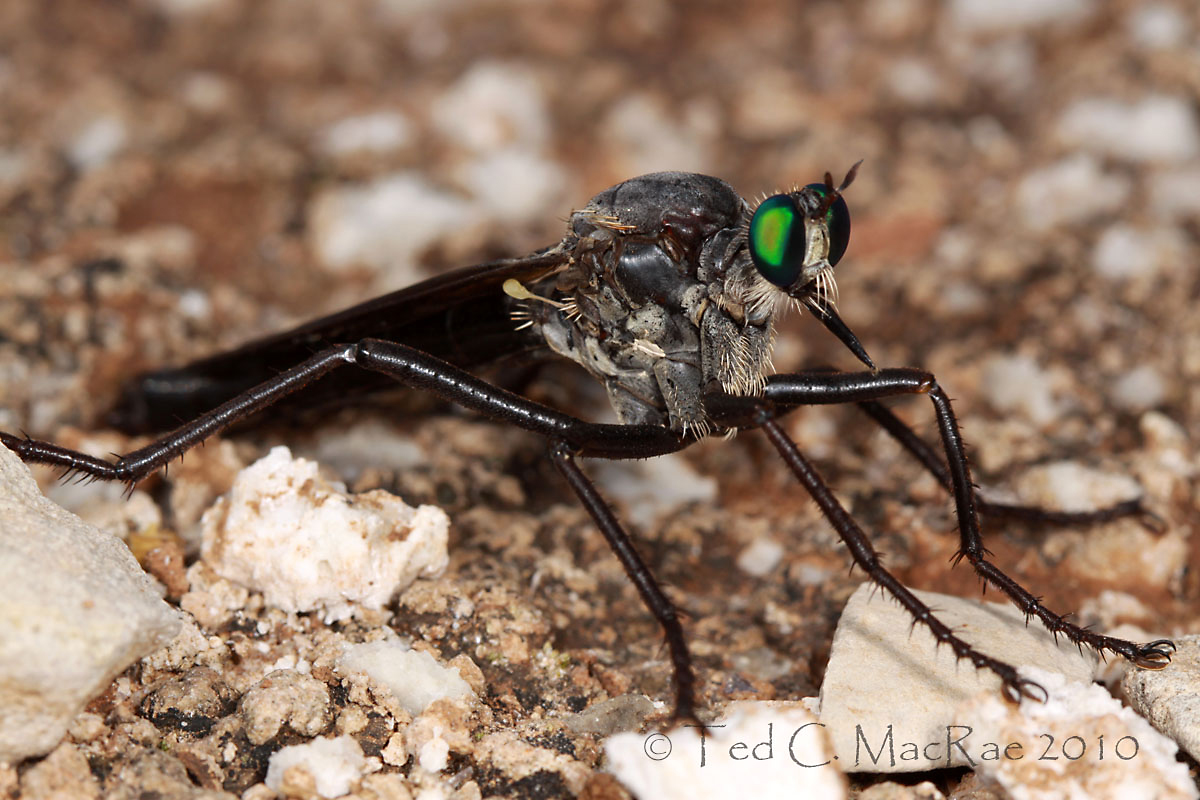
I first encountered this species last year in southwestern Missouri (a new state record!), so there was no question about its identity.  I also remembered how skittish they were and how difficult it was to get even the two mediocre photographs that I included in the resultant post.  Expecting the same, I kept my eye on the ground-sitter while preparing the camera and approached it with extreme caution.  To my surprise, it showed no sign of being alarmed or wanting to take flight.  I crouched down low and marveled at its monstrous impressiveness as I took frame after ever closer frame – eventually zeroing in on the head and its stunningly magnificent emerald-green eyes.

Satisfied that somewhere in the dozen and a half frames that I shot was at least one or two winners, I sat up and probed towards it with my finger to see how quickly it took flight.  It just sat there tenaciously until my touch caused it to finally take wing.  Winds were gusty atop the mesa, which may have accounted for its cooperativeness.  Standing up, I noted a few scattered eastern redcedars (Juniperus virginiana) in the mixed-grass prairie at the highest point of the mesa.  I recalled that robber flies are fond of “hilltopping” – a mating strategy whereby males fly to the highest point in their immediate landscape to defend a small territory or perch that provides a good vantage for spotting females and competing males (see Hilltopping by Eric Eaton at Bug Eric for a good discussion about this) – and my own experience with this species in Missouri and the way it tended to perch in the trees scattered across the upper part of the rocky, dolomite glade where I found them.  I wandered up to the redcedars, and as soon as I came close enough to one of them I saw another individual take flight – looking like some super-sized mosquito with it’s long legs spread wide as it clumsily flew to another tree.  As it turned out, I saw a number of individuals and mating pairs perching and flying among the trees on top of the mesa, each more spectacular than the previous.

Until recently, Microstylum morosum was considered a Texas-endemic.  However, Beckemeyer and Carlton (2000) documented this species to be much more broadly distributed in the southern Great Plains (from Texas up into Oklahoma and Kansas and west into New Mexico, Arizona, and Colorado), and Warriner (2004) recorded it shortly afterwards in Arkansas.  Although the species apparently occurs throughout Oklahoma (Beckemeyer and Carlton recorded from 13 counties across the state), my observation of it in Major County does seem to represent a new county record for the species.  There is another U.S. species in the genus, M. galactodes, and it has also been recorded from Oklahoma (the closest record is in nearby Woodward County).  However, it is easily distinguished by its generally smaller size, milky white wing membranes, reddish-brown body, and head and thoracic dorsum evenly covered with whitish pruinescence, while M. morosum has the wings and body black to brown and thoracic pruinescence restricted to the lateral margins (Beckemeyer and Carlton 2000).  I’m not sure I would have recognized that species for what it was had I seen it, but if it is anywhere near as impressive as M. morosum then I hope I have the fortune to find it someday as well.

Photo Details:
Landscape: Canon 50D w/ 17-85mm wide-angle lens (17mm), ISO 100, 1/100 sec, f/10, ambient light. Typical post-processing (levels, unsharp mask).
Insects: Canon 50D w/ 100mm macro lens, ISO 100, 1/250 sec, f/10 (photo 1), f/18 (photo 2), Canon MT-24EX flash (1/4 ratio) w/ Sto-Fen diffusers. Typical post-processing (levels, minor cropping, unsharp mask).

REFERENCES:

Beckemeyer, R. J. and R. E. Carlton.  2000. Distribution of Microstylum morosum and M. galactoides (Diptera: Asilidae): significant extensions to previously reported ranges.  Entomological News 111(2):84–96.

Warriner, M. D.  2004. First Arkansas record of the robber fly Microstylum morosum (Diptera: Asilidae).  The Southwestern Naturalist 49(1):83–84.

Copyright © Ted C. MacRae 2010

Add to FacebookAdd to DiggAdd to Del.icio.usAdd to StumbleuponAdd to RedditAdd to BlinklistAdd to TwitterAdd to TechnoratiAdd to Yahoo BuzzAdd to Newsvine

Email to a friend

Me and my buds!

Those of you who have followed this blog for any length of time have seen repeated references to my friends and colleagues, Chris Brown and Rich Thoma. Rich and I have been collecting insects together for almost 25 years now (since shortly after we bothed first moved to the St. Louis area), and Chris has joined us in the fun for the past ten years as well. It is rare when all three of us can get out in the field together – meshing hectic professional and family lives with the sometimes coincident, sometimes divergent insect collecting goals of three fathers can be challenging. Nevertheless, at least once or twice a year we manage to converge on a date and enjoy each other’s company out in the field. I don’t think I’m ever happier than when I’m in the field (well, except when one of my daughter’s nestles into my lap to watch a movie!), and the chance to share that experience with close friends of like interest is especially gratifying.

Chris is quite an accomplished insect photographer himself, having been at it for much longer than I’ve known him and providing me great coaching as I’ve begun testing the waters myself. Recently, he sent me some photos from our 2009 field trips to the lowlands of southeastern Missouri and the Loess Hills of northwestern Missouri. Those were two exciting trips, revealing new localities for Cicindela scutellaris, the discovery of Cylindera celeripes in Missouri, the rediscovery of Ellipsoptera macra, and even a new state record robber fly.  The sharing kind of guy he is, he’s granted me permission to post them here (plus one taken by Rich Thoma).

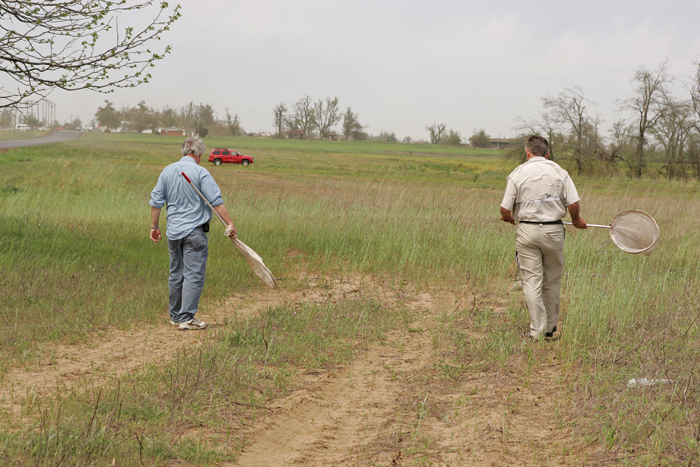
Rich (left) and Ted scan 2-track through sandy ground in the southeastern lowlands looking for tiger beetles.

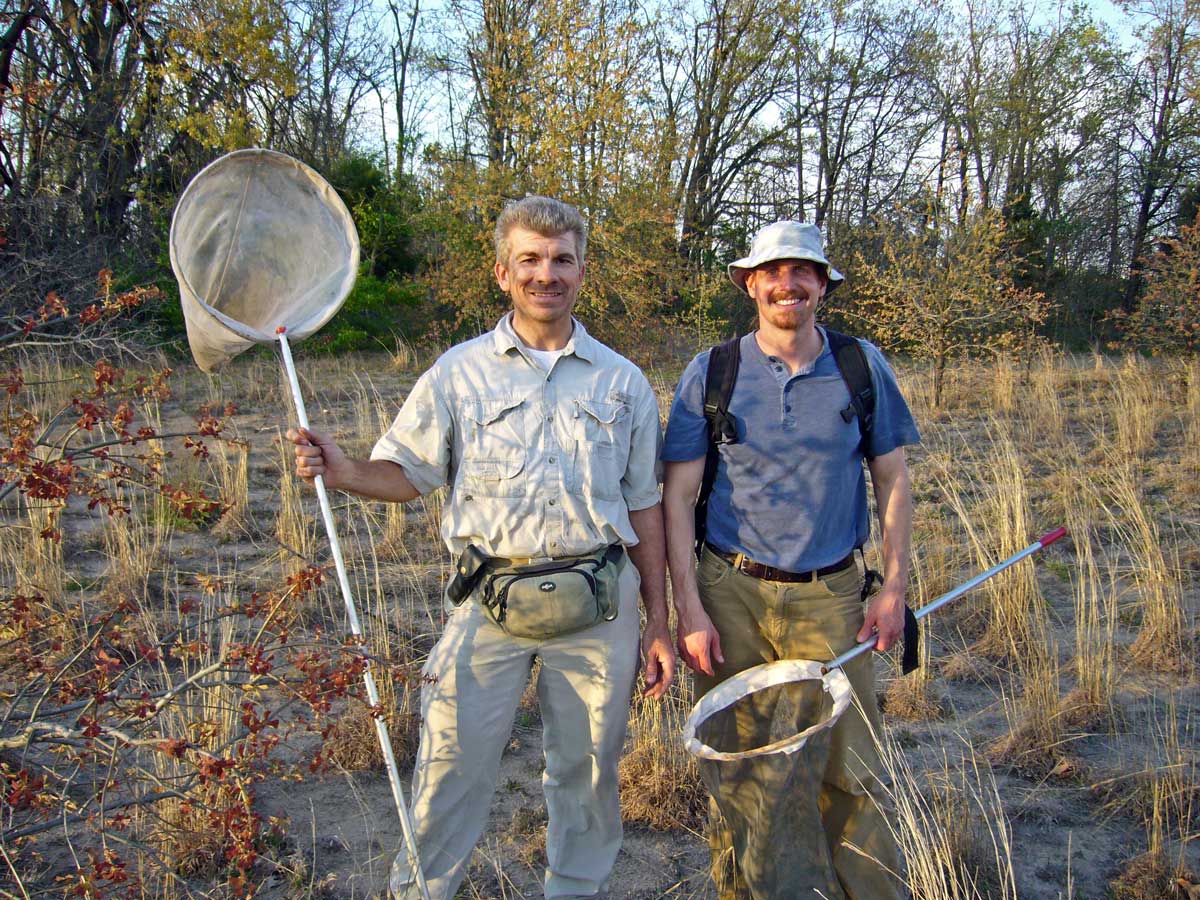
Ted and Chris take a break from looking for tiger beetles in a sand prairie relict. Photo by Rich Thoma.

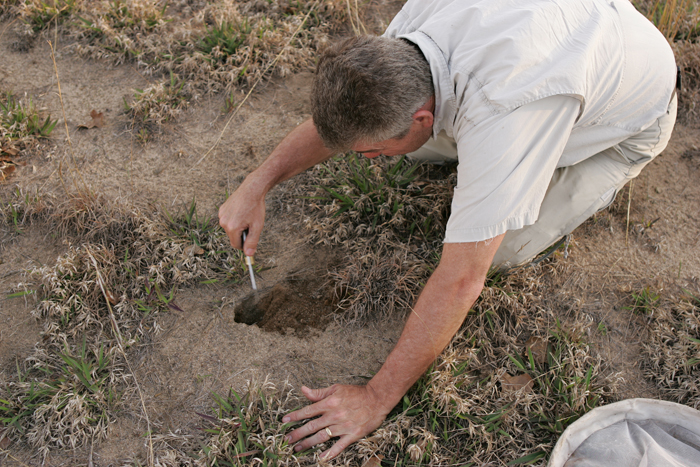
Ted attempts to extract an adult tiger beetle from its daytime burrow in a sand prairie relict.

Ted scans the open sand in a sand prairie relict for adult tiger beetles.

Ted fishes for a tiger beetle larva in a sand prairie relict.

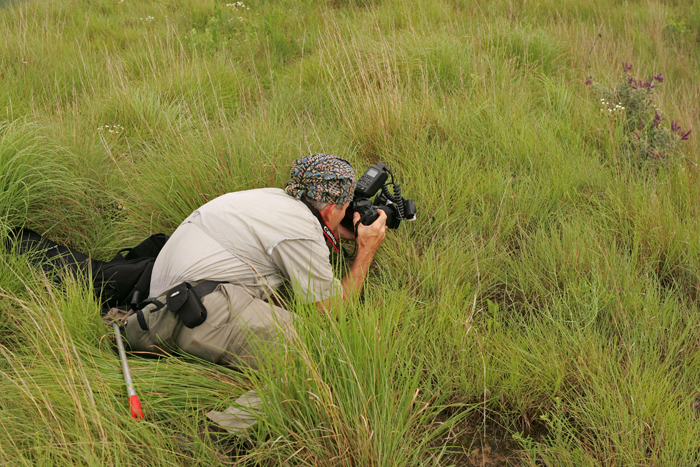
Ted photographing the robber fly, Ospriocerus abdominalis, at Star School Hill Prairie in the Loess Hills of northwest Missouri.

Distant view of Ted (small spot in center) photographing Ospriocerus abdominalis at Star School Hill Prairie.

Copyright © Ted C. MacRae 2009

Add to FacebookAdd to DiggAdd to Del.icio.usAdd to StumbleuponAdd to RedditAdd to BlinklistAdd to TwitterAdd to TechnoratiAdd to Yahoo BuzzAdd to Newsvine

Email to a friend

BitB Best of 2009

In my first post of 2009, I looked back at the photographs I had posted during 2008 and picked some of my personal favorites. I hesitated then to call myself a photographer (and still do), but I at least now have suitable equipment to aid in my progress toward that eventual goal. I have learned much over the past six months in my first attempt at serious insect macrophotography (prioritizing in situ field photographs of unmanipulated subjects as a matter of personal choice).  Through this, I’ve come to realize the following skills to be the most important for success:  

  1. Composition
  2. Understanding lighting
  3. Knowing how to use a flash
  4. Knowledge of the subject

I’ll give myself a “A” in the last of these, but in the other areas I still have much to learn. With this caveat, and for the last post of 2009, I offer the following twelve photographs as my final choices for the 2nd Annual “Best of BitB”:  

Best beetle

Cylindera celeripes (swift tiger beetle), Woodward Co., Oklahoma

From Revisiting the Swift Tiger Beetle – Part 1 (June 30).  A decent enough photograph, especially considering that I’d had my camera for about a month when I took it.  However, the discovery of robust populations of this formerly rare and enigmatic species throughout northwestern Oklahoma (and later also in northwestern Missouri) was the most significant find of the 2009 field season, and this photograph is the best capture of that moment.

Best fly

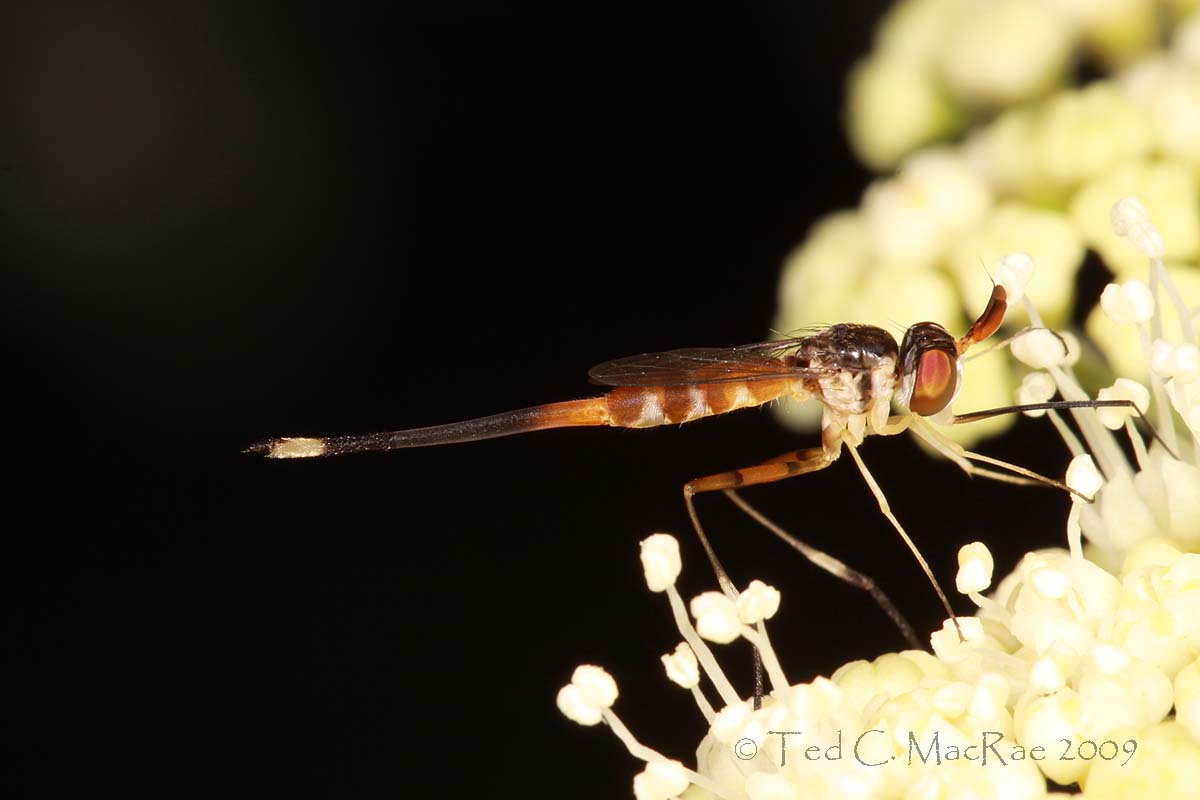
Stylogaster neglecta, a species of thickheaded fly

From Overlooked, needle-bellied, thick-headed fly (Aug 14).  One of my first good “black background” shots.  The white tip of the abdomen compliments the white flower stamens against the background.

Best “true” bug

Beameria venosa, a prairie obligate cicada

From North America’s smallest cicada (Aug 4).  So many different shades of green with white frosting on the bug’s body.  I tried taking this shot in portrait and it just didn’t work—I liked this landscape shot much better.

Best predator

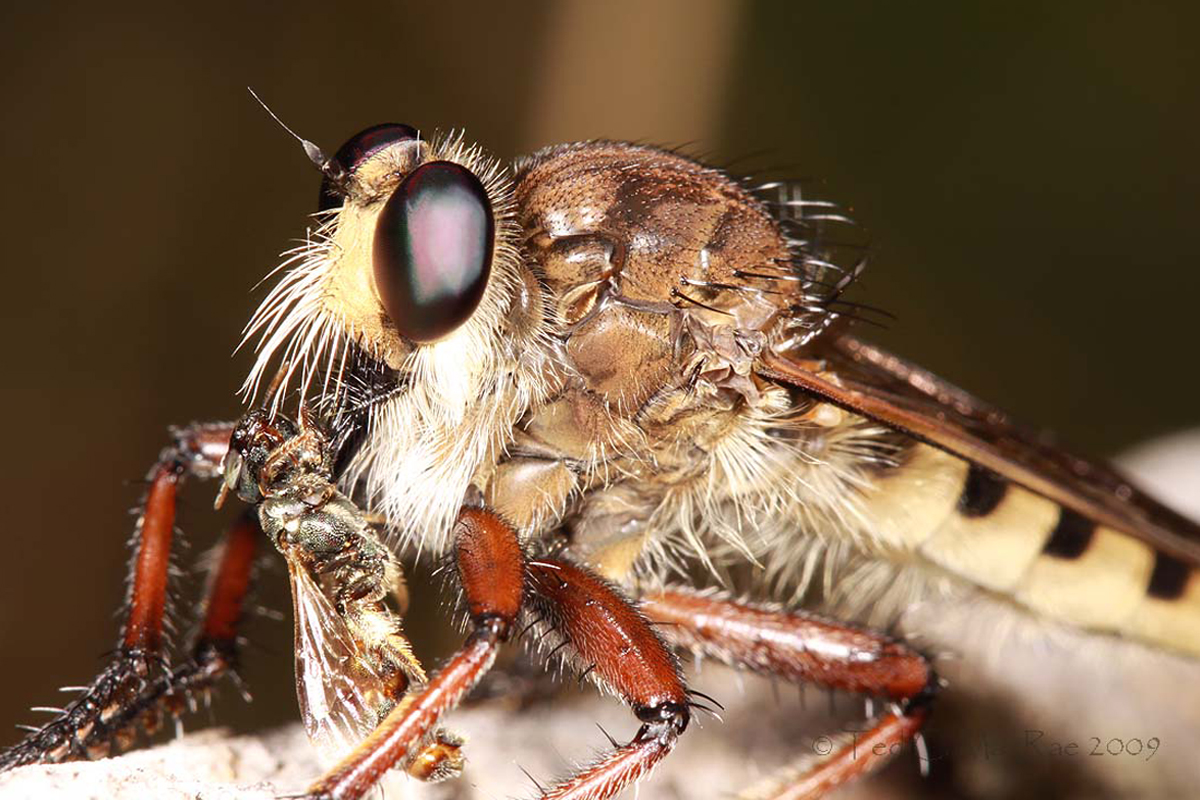
Promachus hinei (Hines giant robber fly) & Ceratina sp. (small carpenter bee) prey

From Prey bee mine (Sept 14).  Robber flies are immensely photogenic, especially those in the genus Promachus due to their prominent “beards.”

Best camoflauge

Dicerca obscura on bark of dead persimmon

From The “obscure” Dicerca (June 19).  Sparkling and gaudy as specimens in a cabinet, the coloration of many jewel beetles actually helps them blend almost perfectly with the bark of their preferred tree hosts.

Best immature insect

Tetracha floridana (Florida metallic tiger beetle) 3rd-instar larva

From Anatomy of a Tiger Beetle Larva (Oct 22).  “Otherwordly” is invariably the first word that comes to mind when someone sees a tiger beetle larva for the first time.  I was lucky enough to get this one in profile with a nice view of its abdominal hump and its curious hooks.

Best arachnid

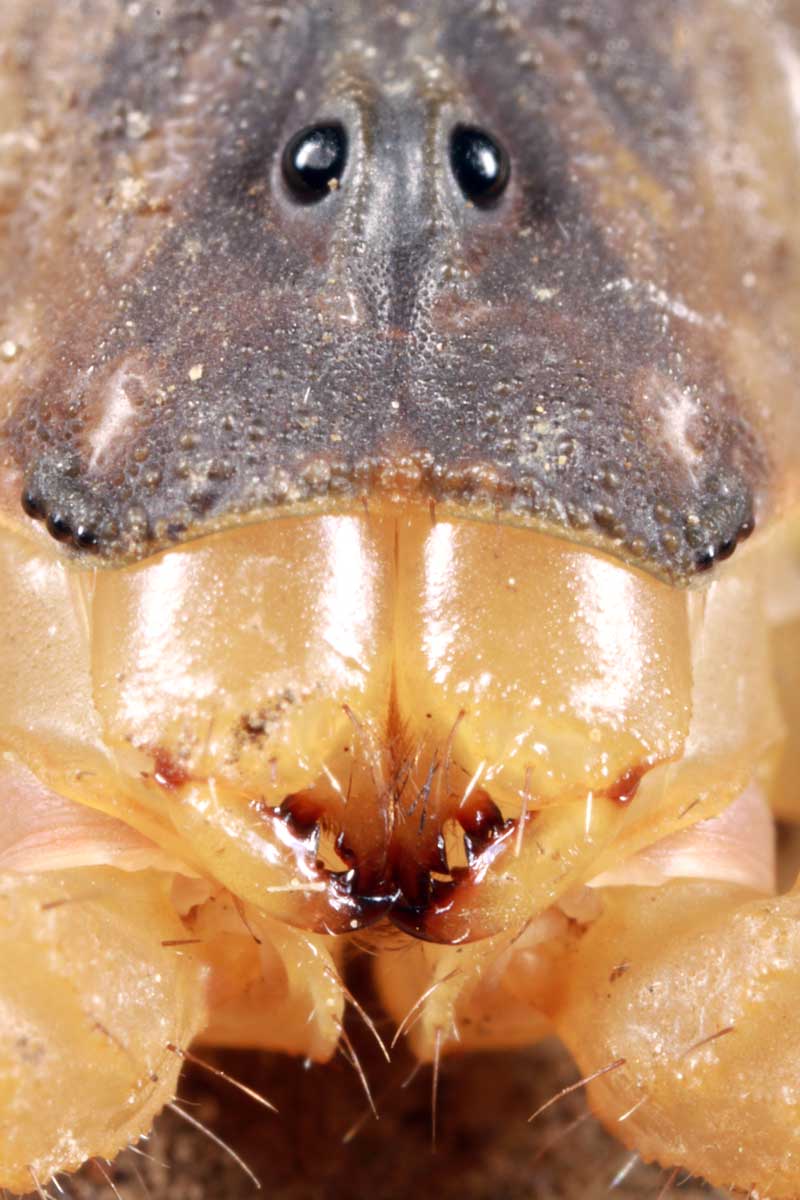
Centruroides vittatus (striped bark scorpion)

From A face only a mother could love (Oct 6).  Despite some minor depth-of-field problems with this photograph, I’m fascinated by its “smile.”

Best reptile

Eastern collared lizard (Crotaphytus collaris collaris) adult male

From North America’s most beautiful lizard (July 10).  A simply spectacular lizard—all I had to do was frame it well and get the flash right.

Best wildflower

Spiranthes magnicamporum (Great Plains ladies

From Great Plains Ladies’-tresses (Dec 7).  Few flowers are as photogenic as orchids, even native terrestrials with minute flowers such as this one.  I like the frosty texture of the lip and the starkness of the white flower on the black background.

Best natural history moment

Thermoregulatory behavior by Ellipsoptera hirtilabris (moustached tiger beetle)

From Tiger Beetles Agree—It’s Hot in Florida! (Dec 18). I chose this photo for the classic “stilting” and “sun-facing” thermoregulatory behaviors exhibited by this tiger beetle on a blistering hot day in Florida.

Best closeup

Megaphasma denticrus (giant walkingstick)

From North America’s longest insect (Aug 21).  I haven’t tried a whole lot of super close-up photographs yet.  I liked the combination of blue and brown colors on the black background.

Best Landscape

Sand Harbor Overlook, Lake Tahoe, Nevada

From Sand Harbor Overlook, Nevada (March 23).   My choice for “best landscape” again comes from Lake Tahoe.  This is not a great photo technically—I was still using a point-and-shoot and had to deal with foreground sun.  However, none of the other photos I took during my March visit to the area captivate me like this one.  I like the mix of colors with the silhouetted appearance of the trees on the point.

Copyright © Ted C. MacRae 2009

Add to FacebookAdd to DiggAdd to Del.icio.usAdd to StumbleuponAdd to RedditAdd to BlinklistAdd to TwitterAdd to TechnoratiAdd to Yahoo BuzzAdd to Newsvine

Email to a friend

North America’s largest robber fly

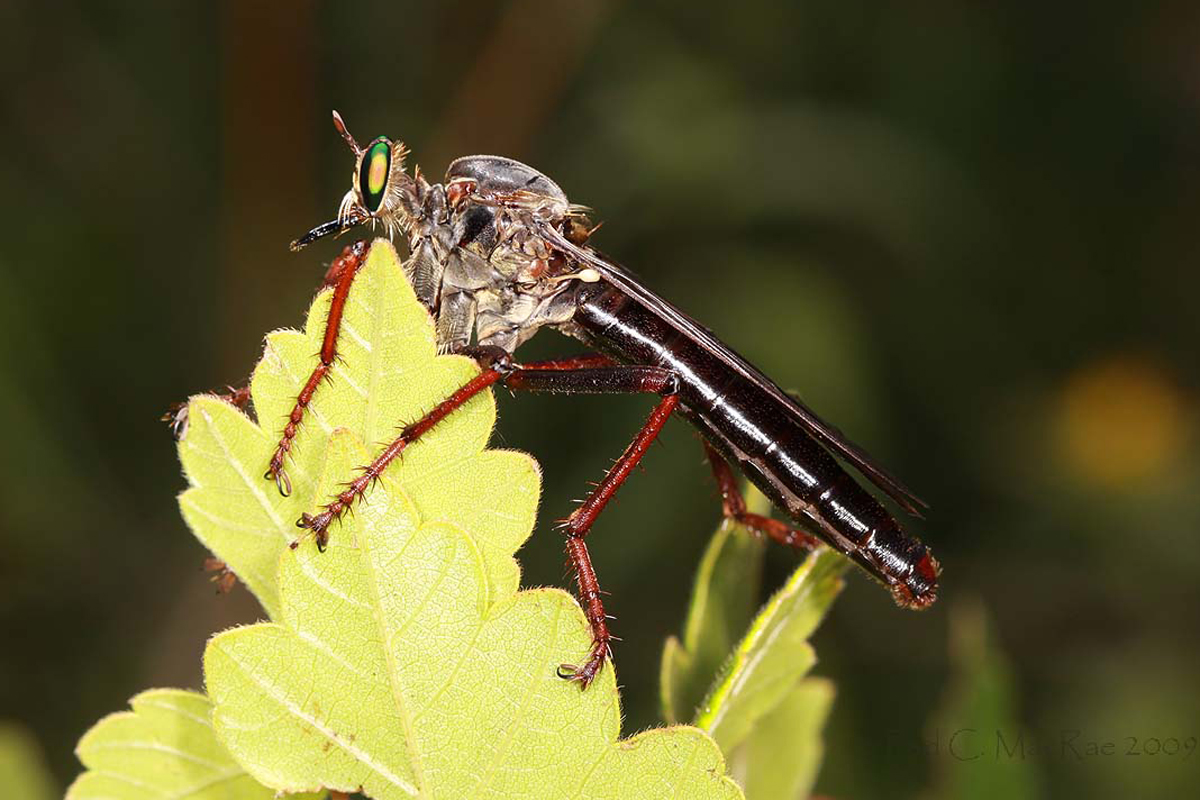
Female Microstylum morosum perched on fragrant sumac (Rhus aromatica) bush

Female Microstylum morosum perched on fragrant sumac (Rhus aromatica)

A few days ago, I featured Promachus hinei, one of the so-called “giant robber flies” and a common inhabitant of the glades and grasslands that dot Missouri’s largely forested landscape. That individual was seen at Long Bald Glade Natural Area in Caney Mountain Conservation Area, one of the many limestone glades that are a prominent feature of extreme southwestern Missouri’s White River Hills, as it snacked on a small carpenter bee (Ceratina sp.) and posed obligingly for a series of super close-up photographs. Promachus and its congeners are impressively large; however, I would see an even larger robber fly that day. I didn’t know what it was at the time, but I knew that never before had I seen such a magnificent fly, with its large, shimmering, emerald eyes, streamlined body almost devoid of setae (hairs), and ludicrously large size. These monsters were actually quite common at the glade, so I failed to appreciate the significance of what I was seeing as I chased one after another – more intent on securing photographs than specimens. This was not an easy task – they were extremely wary, rarely allowing me to approach within 12 feet no matter how cautiously and slowly I moved. Not one to back down from such a challenge (remember, I stalk tiger beetles), I persisted, traversing the rough, rock-strewn terrain amidst clumps of big bluestem (Andropogon gerardii), Indian grass (Sorghastrum nutans), and fragrant sumac (Rhus aromatica) until, at last, I got within striking distance of the impressive female shown in these photos. Taking flight before I felt assured of a good shot, I followed her repeated long, loping escape flights until I was able to get another few shots and she disappeared for good.

Same individual as in previous photo after flying to another perch.

Same individual as in previous photo after flying to another perch.

It didn’t take long after I returned home to figure out what I had seen, as there is really nothing that can be mistaken for Microstylum morosum, North America’s largest robber fly (Back 1909)¹. At 35–40 mm of length, this individual didn’t quite match the astounding 50-mm upper body length for the species (that’s 2 inches, folks!). Nonetheless, it was an impressive beast indeed! It is not surprising that North America’s largest robber fly should be a species of Microstylum, as it is this same genus that contains the world’s largest robber fly – the aptly named M. magnum from Madagascar, with a body length of 60 mm and an almost preposterous wingspan of up to 84 mm (that’s over 3 inches folks!). I don’t know if any flies exist that are larger than this, but certainly none can be more imposing.  While I’m happy with the photos that I did obtain, I must confess some disappointment that I wasn’t able to get more than these basic lateral profile shots.  Of the several photographs of this species that can be found on the web, this female, photographed by Greg Lavaty of Houston, Texas, is (in my humble opinion) certainly the most stunning.
¹ Puzzled by the use of the prefix “micro” in the genus name – hardly seeming appropriate for such an enormous fly – I asked Eric Fisher (retired, California Department of Food and Agriculture) about the name’s derivation, to which he replied, “The name refers to the quite small ‘stylus’ of the antenna apex; Macquart specifically mentions this character in his 1838 original description of the genus. (This is not a very helpful diagnostic character, as many asilids share this feature…).”

Even more significant than its size, however, was its very occurrence on this glade. Like Ospriocerus abdominalis, which I had seen just a few weeks earlier in the Loess Hills of extreme northwestern Missouri, M. morosum is a denizen of the Great Plains, and also like that species it has until now not been known from Missouri. That’s right – another new state record!  Unlike O. abdominalis, however, the Missouri occurrence of M. morosus represents a significant northeastern extension of its known range.  The species was long considered a Texas endemic until Beckemeyer and Charlton (2000) confirmed its occurrence in southeastern Arizona and documented significant range extensions into Oklahoma, Kansas, extreme southeastern Colorado, and extreme northeastern New Mexico.  Its eastern distributional limit was thought to occur along a north-south line from Douglas County, Kansas to Mayes County, Oklahoma to Brazoria County, Texas; however, Warriner (2004) documented its occurrence some 200 miles east of this line in the blackland prairies of southwestern Arkansas.  The occurrence of M. morosum in the White River Hills of Missouri represents yet another significant eastern extension of its known range – Long Bald Glade lies 185 miles NNE of the collection site in Arkansas and 155 miles ENE of the nearest known record in Mayes County, Oklahoma (Locust Grove), making it the easternmost known locality for this species.

As in Arkansas, where the collection site represents one of the highest quality blackland prairie remants in the state, Long Bald Glade represents a high quality remnant of the limestone glades that once occurrred much more extensively within Missouri’s White River Hills.  Like the blackland prairie of Arkansas, the limestone glades of the White River Hills have been dramatically reduced since EuroAmerican settlement due to land use conversion, and fire suppression and overgrazing of the remaining tracts have resulted in significant woody encroachment – chiefly by eastern red-cedar (Juniperus virginiana) – and loss of vegetational diversity. This has caused dramatic reductions in populations of the many Great Plains plant and animal species that are found here and nowhere else in the state.  Considering the overall distribution of M. morosum, it is unlikely that it occurs more extensively within Missouri than the White River Hills, emphasizing the importance of continued conservation and restoration activities in this unique part of Missouri.  However, since the White River Hills extend into northwestern Arkansas, M. morosum may occur in that part of Arkansas as well as the southwestern part of the state.

I thank Eric Fisher and Herschel Raney for confirming the identity of this species and its status as a new record for Missouri.

Photo details: Canon 100mm macro lens on Canon EOS 50D (manual mode), ISO-100, 1/250 sec, f/10-11, MT-24EX flash 1/2 power through diffuser caps.

REFERENCES:

Back, E. A. 1909. The robberflies of America, north of Mexico, belonging to the subfamilies Leptograstrinae and Dasypogoninae. Transactions of the American Entomological Society 35:137–400.

Beckemeyer, R. J. and R. E. Carlton.  2000.  Distribution of Microstylum morosum and M. galactoides (Diptera: Asilidae): significant extensions to previously reported ranges.  Entomological News 111(2):84–96.

Warriner, M. D.  2004.  First Arkansas record of the robber fly Microstylum morosum (Diptera: Asilidae).  The Southwestern Naturalist 49(1):83–84.

Copyright © Ted C. MacRae 2009

Add to FacebookAdd to NewsvineAdd to DiggAdd to Del.icio.usAdd to StumbleuponAdd to RedditAdd to BlinklistAdd to Ma.gnoliaAdd to TechnoratiAdd to Furl

Prey bee mine

Promachus hinei preying upon a small carpenter bee

Promachus hinei preying upon a small carpenter bee

Robber flies of the genus Promachus – the so-called “giant robber flies” – are among the more conspicuous and fearless predators seen in Missouri’s glades. Able to capture almost any flying insect regardless of size, this individual – seen at Long Bald Glade Natural Area in Caney Mountain Conservation Area – was found snacking on what, according to my hymenopterist friend Mike Arduser, appears to be a female individual of the genus Ceratina (the so-called small carpenter bees in the family Apidae). Of the three “tiger-striped” (referring to the yellow and black striping of the abdomen) species of Promachus in the eastern U.S. species, P. hinei is the most common in Missouri. It is distinguished from the more southeastern P. rufipes by its reddish versus black femora and from the more northern P. vertebratus by the larger dark areas dorsally on the abdominal segments and distinctly contrasting two-toned legs. Despite their common name and impressive size, however, they are not the largest robber flies that can be seen in these glades…

Photo details: Canon 100mm macro lens on Canon EOS 50D (manual mode), ISO-100, 1/250 sec, f/13, MT-24EX flash 1/4 power through diffuser caps.

Copyright © Ted C. MacRae 2009

Add to FacebookAdd to NewsvineAdd to DiggAdd to Del.icio.usAdd to StumbleuponAdd to RedditAdd to BlinklistAdd to Ma.gnoliaAdd to TechnoratiAdd to Furl

Ospriocerus abdominalis

Photo details: Canon 100mm macro lens on Canon EOS 50D, ISO 100, 1/250 sec, f/14, MT-24EX flash 1/4 power w/ diffuser caps.

Photo details: Canon 100mm macro lens on Canon EOS 50D, ISO 100, 1/250 sec, f/14, MT-24EX flash 1/4 power w/ diffuser caps.

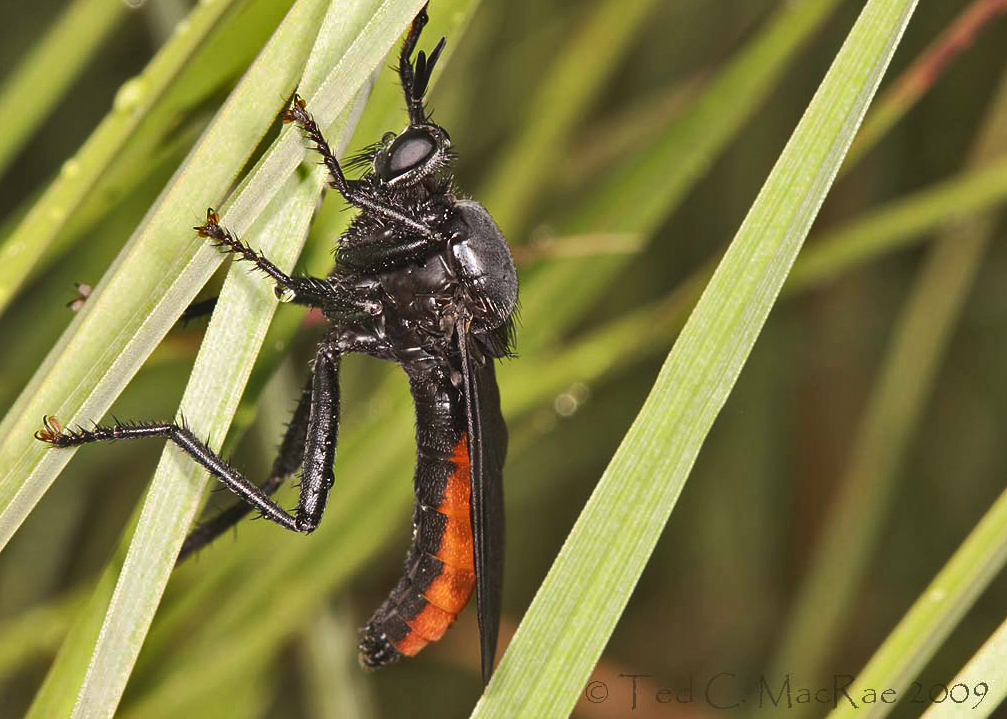
My dipteran digression continues with this photograph of the robber fly, Ospriocerus abdominalis (Diptera: Asilidae).  More than just a pretty picture, this represents yet another apparently new state record that I and my colleague Chris Brown discovered a few weeks ago during our 2-day survey of Missouri’s critically imperiled hilltop prairies in the extreme northwest corner of the state.  Like the previously discussed Cylindera celeripes (swift tiger beetle) and Beameria venosa (a prairie-obligate species of cicada), O. abdominalis has not previously been recorded further east than Nebraska, Kansas, Oklahoma and Texas. This large fly is a grassland denizen that ranges over western North America and into Mexico (Cannings 1998, as Ospriocerus aeacus). It is somewhat suggestive of a mydas fly, although its short antennae immediately identify it as a robber fly (mydas flies have elongate clubbed antennae).  It also reminds me of the magnificent western robber fly Wyliea mydas by its mimetic, wasp-like coloration – presumably modeled after spider wasps of the genus Pepsis and Hemipepsis (Hymenoptera: Pompilidae) – but is distinguished by its black body and wings with red dorsal coloration on the abdomen (W. mydas has the abdomen wholly black and the wings red).  While not quite as handsome as W. mydas, it is impressive nonetheless.

The dry hilltop prairie remnants in which O. abdominalis, B. venosa, and C. celeripes were found are associated with the Loess Hills, a unique landform along the western edge of Iowa that reaches its southern terminus in extreme northwest Missouri.  Due to their extreme rarity and vulnerability to woody encroachment and anthropogenic degradation, these remnant habitats are considered one of Missouri’s most critically imperiled natural communities. Only about 50 acres of original habitat remain, and of this only half is in public conservation ownership.  Many of the plants and animals found in these habitats represent hypsithermal relicts that migrated eastward during a dry and warm period after the last ice age and were then “left behind” in pockets of relictual habitat as a return to cooler, wetter conditions forced the main populations back to the west.  More than a dozen plants and two vertebrates occurring in these prairies are listed as species of conservation concern.  As is typically the case, the flora and vertebrate fauna of these remnant habitats have been fairly well characterized, while precious little attention has been given to the vastly more diverse invertebrate fauna.  As we begin to study the insects of these habitats more carefully, we are almost sure to find a great many species that are more typically found further to the west and that live nowhere else in Missouri.  Their continued presence in the state will be wholly dependent upon the critically imperiled habitats in which they live, making conservation and restoration of the remaining loess hilltop prairie remnants in Missouri all the more important.

My thanks to Eric Fisher and Herschel Raney for confirming the identity of O. abdominalis.

REFERENCES:

Cannings, R. A. 1998. Robber Flies (Insecta: Diptera: Asilidae), in Smith, I. M., and G. G. E. Scudder, eds. Assessment of species diversity in the Montane Cordillera Ecozone. Burlington: Ecological Monitoring and Assessment Network.

Copyright © Ted C. MacRae 2009

Add to FacebookAdd to NewsvineAdd to DiggAdd to Del.icio.usAdd to StumbleuponAdd to RedditAdd to BlinklistAdd to Ma.gnoliaAdd to TechnoratiAdd to Furl

Top Ten of 2008

For the first post of 2009, I begin with a look back at some of my favorite photos from 2008 (idea stolen from Alex Wild and others).  I initially hesitated to do a “best photos” post since I’m not really a photographer – just an entomologist with a camera.  Nevertheless, and with that caveat in mind, I offer ten photos that represent some of my favorites from this past year. To force some diversity in my picks, I’ve created “winning” categories (otherwise you might just see ten tiger beetles!). Click on the photos to see larger versions, and feel free to vote for your favorite. If so, what did you like about it? Was there a photo I didn’t pick that you liked better?  Enjoy!

Best tiger beetle

Cicindela formosa generosa

From “All the better to see you with, my dear!” (September 2008).  Picking a top tiger beetle photo was tough with so many to choose from.  Ultimately, I decided I really like these face-on shots, and of the several I’ve posted this one of Cicindela formosa generosa has the overall best composition, balance and symmetry.  I considered this one of Cicindela formosa formosa – with its half-cocked jaws, it probably has better personality.  However, the one above got the final nod because it is a true field shot of an unconfined, unmanipulated individual.

Best jewel beetle

Aegelia petelii

From Buppies in the bush(veld) (December 2008).  Although taken back in 1999, I just recently scanned and posted this photo of Agelia petelii from South Africa.  I like the bold, contrasting colors of the beetle combined with the soft colors of the host foliage.  Runners up included these photos of Evides pubiventris with its sumptuous iridescent green blending beautifully with the green background (but suffering slightly from shallow depth of field) and Chrysobothris femorata with its intricate surface sculpturing.

Best longhorned beetle

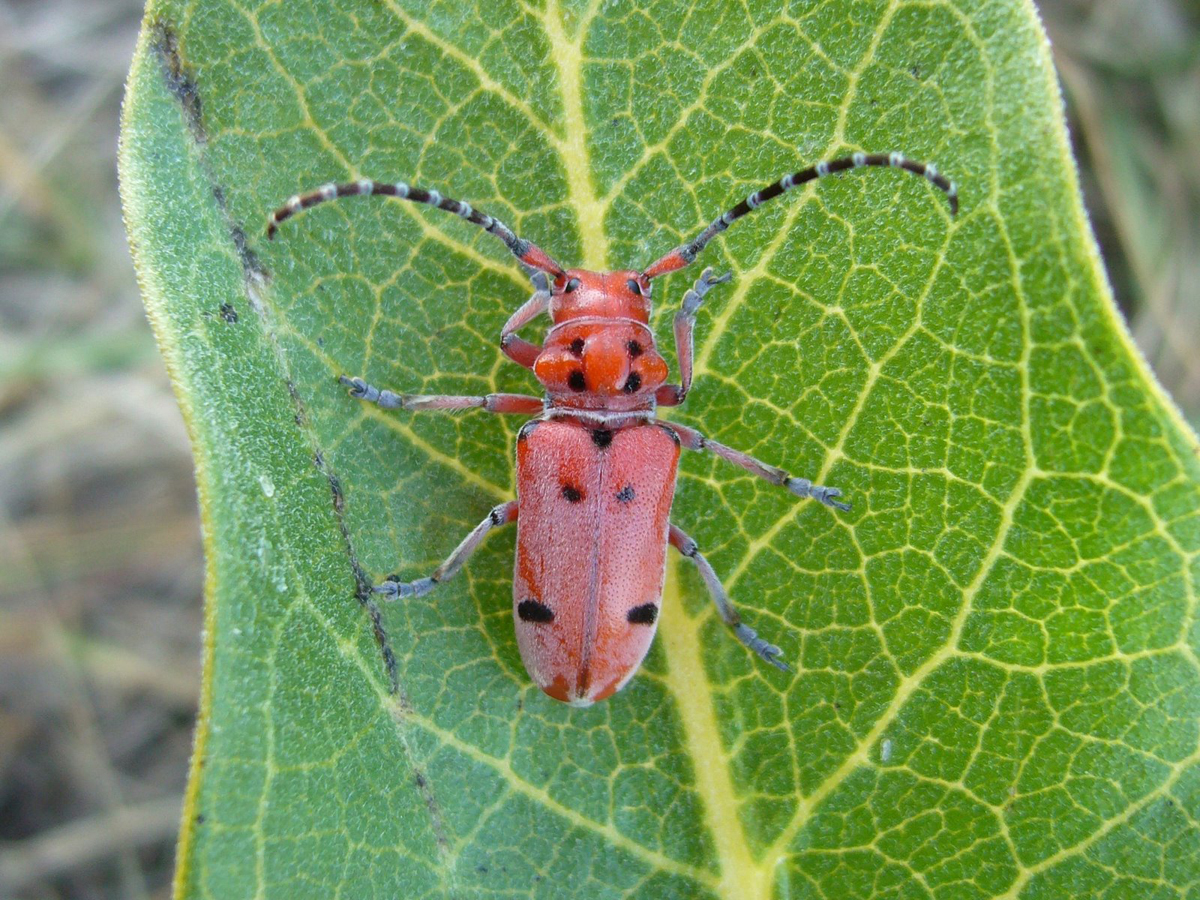
Tetraopes femoratus

From Rattled in the Black Hills (September 2008).  This was an easy choice – none of the other longhorned beetle photos that I posted during 2008 matched this photo of Tetraopes femoratus for clarity, composition, and the striking contrast between the red color of the beetle and the green color of the host plant.  I especially like the detailing of the body pubescence.

Best non-beetle insect

Proctacanthus milbertii

From Magnificently Monstrous Muscomorphs (November 2008).  I do like other insect besides beetles, and robber flies are hard to beat for their charisma.  This photo of Proctacanthus milbertii (which, as Chris Taylor pointed out, literally translates to “Milbert’s spiny butt”), has great composition and nice, complimentary colors.  I like contrast between the fine detail of the fly and the soft background.

Best non-insect arthropod

Argiope aurantia

From Happy Halloween! (October 2008). I didn’t have many non-insect arthropod photos to choose from, but this photo of a female Argiope aurantia (yellow garden spider) would be deserving of recognition no matter how many I had to choose from. I like the bold, contrasting colors and symmetry of the spider in front of the dappled background of this photo.

Best non-arthropod animal

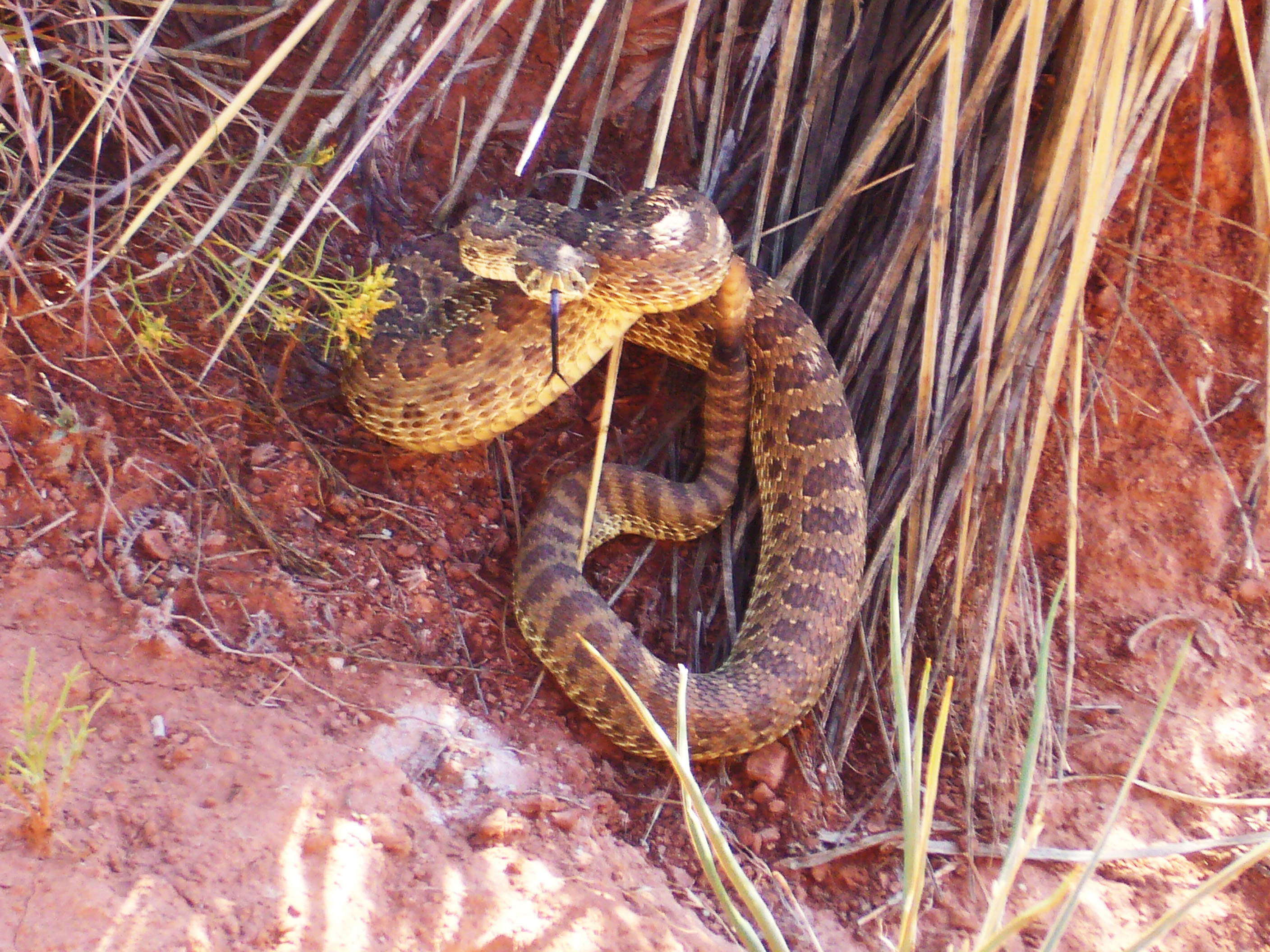
Prairie rattlesnake (Crotolus viridis)

Another one from Rattled in the Black Hills (September 2008).  This is admittedly not the best photo from a purely technical perspective – it’s a little out of focus, and the color is a bit off.  However, no photo could better convey the moment – confronted with a live, angry prairie rattlesnake (Crotalus viridis) (among the more aggressive species in the genus).  The forked tongue and rattle – blurred in motion – were icing on the cake.

Best wildflower

Victoria Glades

From Glades of Jefferson County (July 2008).  I had several wildflower closeups to choose from, but I kept coming back to this field shot of pale purple coneflower (Echincea simulata) and Missouri evening primrose (Oenethera macrocarpa).  The eastern redcedars (Juniperus virginiana) in the background are at once indicative of their preferred habitat (limestone/dolomite glades) and also testament to their threatening encroachment.

Best tree

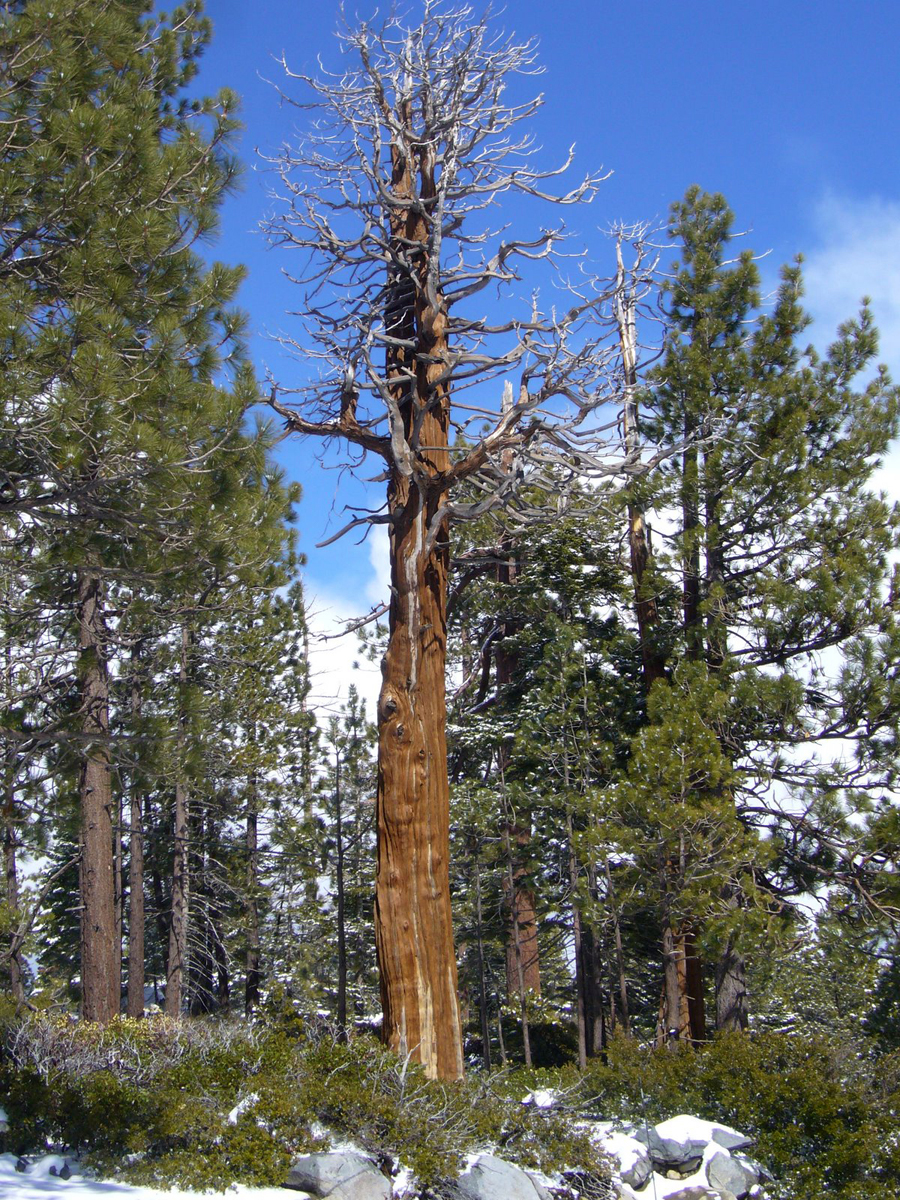
Calocedrus decurrens

From the very simply and aptly named Lake Tahoe, California (March 2008).  Incense cedar (Calocedrus decurrens), with its reddish, deeply furrowed bark and great height, is one of the most majestic of western conifers.  I was captivated by this tree – beautiful even in death and contrasting nicely with the surrounding green foliage.

Best rockscape

Pipestone National Monument, Old Stone Face

From Pipestone National Monument (April 2008).  “Old Stone Face” is one of Pipestone’s most recognizable geologic features, and the short angle of the sun on this early spring day provided nice detail to the cracks and fissures of the rock – almost appropriately adding a weathered “age” to this old man.

Best landscape

Emerald Isle, Lake Tahoe

Another one from Lake Tahoe, California (March 2008).  Few places on earth are more photogenic than Lake Tahoe, and this perspective overlooking Emerald Bay is among the finest views I’ve seen.  Brilliant blue skies and majestic snow covered mountains reflected perfectly from the still surface, with Fannette Island providing a perfect focal point for the photo.

Best miscellaneous

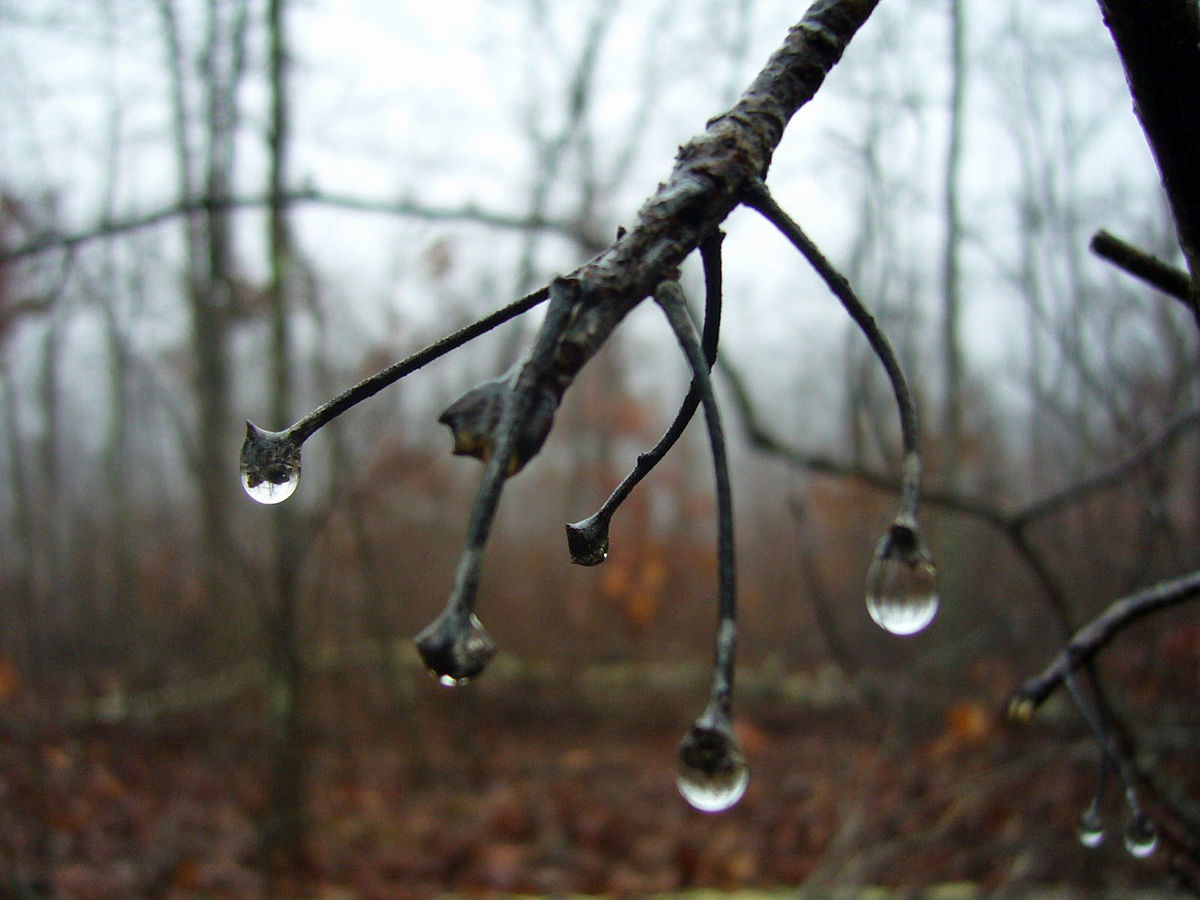
Water drops, Ozark Trail, Trace Creek SectionFrom Ozark Trail, lower Trace Creek Section (December 2007).  While technically not a 2008 photo, it’s close enough.  This was one of the first macro photographs I took with my camera, and it remains one of my favorites.  A chance occurence of an unlikely subject, created by cold temperatures and heavy moisture-laden air. I like the contrast between the water drops – sharp, round, and clear – with the vertical shapes of the leaf petioles and background trees.  Viewing the image full-sized reveals the reflection of the photographer in the leftmost water drop.

Subsequent edit: Okay, so after I put this post together, I realized I actually featured eleven photos – too much difficulty choosing, I guess. Let’s call it a baker’s ten.

Magnificently Monstrous Muscomorphs

I suppose tiger beetles have gotten more than their fair share of attention here lately, so for this post I thought I’d highlight insects of a completely different group – flies! Admittedly, as a coleopterist, I tend to view flies with much the same disdain as your average insect non-enthusiast – as pesky, pestiferous vermin worthy of little more attention than a decisive swat. I don’t begrudge them their amazing diversity – at ~100,000 described species worldwide, they are strong contenders with the Lepidoptera and Hymenoptera as the second largest order of insects (of course, you need all three of these orders combined to match the diversity of the Coleoptera). I am also prepared to accept that they may well represent, at least morphologically, the pinnacle of insect evolution (a position that a few hymenopterists I know might argue with) due to their amazing flight capabilities and the morphological adaptations they have developed for such. These include the development of aristate antennae for detecting wind speed, the conversion of the second pair of wings into stabilizing organs (halteres), and the ability to beat the remaining pair of wings at incomprehensible rates – up to 1,000 times per second in some very small midges (even more baffling when one considers that the wing “beat” is actually just a passive result of rhythmic distortions of the thoracic box). I even acknowledge that the vast majority of fly species are not even pests, living their lives innocuously as herbivores, scavenging organic matter that nothing else wants, and preying upon or parasitizing other insects, including important agricultural pests. Still, flies bug me – mosquitoes prevent me from sleeping under the stars without a tent, deer flies drone around my head incessantly while I’m trying to stalk an elusive tiger beetle, stable flies trick me into assuming they are just another house fly (until they bite me!), house flies (the real ones) rudely land on my sandwich with their filthy feet, and eye gnats insist on committing hary kary in my eyes as I walk the trails (I won’t mention their other common name, derived from their habit of clustering around exposed canid genitalia).

There is, however, one group of flies that possess “cool factor” rivaling that of even the most popular insect groups – robber flies and their kin. I’ve always picked them up as an aside, even sending them off for authoritative ID and constructing an inventory of the species in my collection. The brute of a fly pictured here is not a true robber fly, but in the related family Mydidae. Mydus clavatus can be recognized easily in the field by its large size and distinctive black coloration with red/orange on top of the 2nd abdominal segment. Presumably this is an example of Batesian mimicry modeled upon spider wasps (family Pompilidae) in the genus Anoplius. This mimicry allows them to fly rather boldly in the open and is so persuasive that it can not only fool the casual observer, but even the most knowledgable of entomologists might be loathe to handle it despite knowing better. Although common across the eastern U.S., aspects of its life history are poorly understood. Adults have been reported to be predators of other insects, but apparently there are some doubts about the veracity of such reports. Patrick Coin of BugGuide has observed adults (males?) taking nectar from flowers and has suggested that reports of predation by adults might have been an erroneous assumption due to their relation and resemblance to robber flies. Larvae are reported to be predaceous on woodboring beetle larvae, and I have reared adults of this species from a dead sycamore (Platanus occidentalis) stump in southern Missouri that was infested with mature larvae of the large buprestid species, Texania campestris. This habit is similar to robber flies of the genus Laphria, which mimic bumble bees and carpenter bees.

In Greek mythology, Promachos (Προμαχοε) was “the champion” or one “who leads in battle” – an appropriate generic name for the so-called “giant robber flies” of the genus Promachus. These large flies are dominant and fearless predators that will capture just about any flying insect – even adult dragonflies. There are three species of Promachus in the eastern U.S. that exhibit the yellow and black tiger striping of the abdomen seen in this individual, identified as a female Promachus hinei by Herschel Raney at BugGuide due to its reddish femora and occurrence in the central U.S. Promachus rufipes is similar but has black femora with distinctly orangish tibiae and is more common in the southeastern U.S., whereas P. vertebratus has more muted two-toned legs with smaller dark areas dorsally on the abdominal segments and is more common in the northern states. Additional species occur in the region but lack the tiger striping of the abdomen, and even more species occur in the western U.S. Members of this genus generally lay their eggs on the ground near grass roots, and the larvae burrow into soil after hatching and feed on soil insects, roots, and decaying matter before pupating within the soil in an unlined cell.

During my recent trip to Nebraska I encountered this related robber fly genus Proctacanthus, also determined by Herschel provisionally as P. milbertii. These large robber flies with a prominent beard are similar in habit to Promachus species, laying their eggs in crevices in soil and the larvae feeding on soil insects, roots, and decaying plant matter. Proctacanthus milbertii is a late season species that occurs across much of the U.S. and reportedly loves butterflies. However, Joern & Rudd (1982), in studying predation by this species in western Nebraska (where the individual pictured here was photographed) found that grasshoppers made up 94% of the prey captured by this species. Interestingly, nearly all of the remaining prey captures were other P. milbertii, which was carefully verified as such since mating postures can be easily mistaken for prey handling positions. Grasshopper prey species taken by this species were most strongly influenced by availability rather than size, suggesting that even the largest grasshopper species could be captured as easily as smaller species – a testament to the ferocity of this robber fly.

Another family of flies modestly related to robber flies and also ranking high in “cool factor” are the bee flies (family Bombyliidae). The scaly bee fly, Lepidophora lepidocera (ID confirmed by Joel Kits at BugGuide), is a particularly attractive member of the family. The distinctive, hunch-backed shape of this southern U.S. species is shared with the more northern L. lutea, from which it is distinguished by having pale scales only on the 5th abdominal segment and not on the 4th also. Most bee flies are presumbably mimics of – yes – bees; however, the species in this genus might actually be mimics of robber flies instead. Adults are most often seen taking nectar from flowers – this individual was taken on flowers of tall boneset (Eupatorium altissimum). Larvae are characterized by Sivinski et al. (1999) as kleptoparasites on the provisions of solitary wasps in the families Vespidae and Sphecidae – meaning that the larva does not parasitize wasp larvae directly, but instead usurpes the nest provisions on which the wasp larvae were supposed to feed. The little thieves!